![[FITX Magazine] Logo](https://fitxmagazine.com/wp-content/uploads/2024/07/FITX-Magazine-Logo-White.png)

Health-conscious eaters and meal preppers frequently encounter frustration from the flood of fad diets that promise rapid transformation but deliver only temporary changes. These approaches often overlook the importance of balanced intake and create unnecessary complexity around basic food decisions. The result is widespread confusion about nutrient requirements and how to structure daily meals without feeling overwhelmed.
Recent updates in the 2025-2030 dietary guidelines provide clearer direction by focusing on whole foods and reducing reliance on highly processed options. This framework highlights the value of nutrient density across all food groups. Harvard analysis reinforces the role of balanced macronutrients in supporting overall health.
Understanding macronutrients simplifies nutrition planning significantly. Protein aids in muscle repair and promotes fullness, carbohydrates supply sustained energy for daily activities, and fats contribute to hormone production and absorption of vitamins. Reliable sources confirm these functions and offer practical food examples for each category.
A science-backed macro approach delivers measurable benefits by turning vague goals into actionable targets. It aligns directly with guideline recommendations while accommodating individual lifestyles and preferences. Meal preppers gain a reliable system that supports consistency without extreme restrictions or constant second-guessing.
Implementing this method leads to greater confidence in food choices and improved adherence over time. The focus remains on real-food strategies that emphasize protein distribution and overall balance for sustainable results.
Macronutrients Explained: Protein, Carbs, and Fats for Better Health
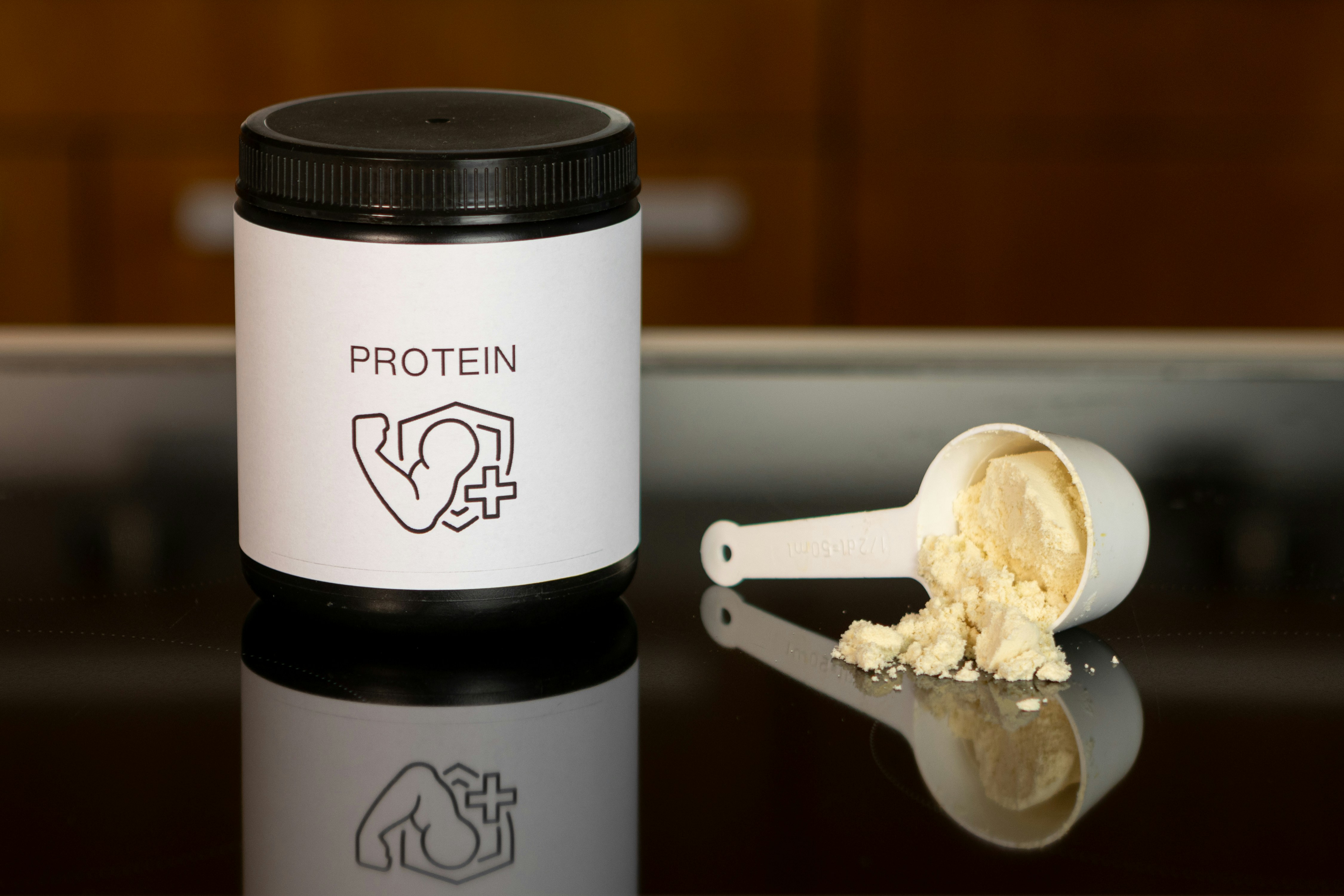
Understanding what are macronutrients begins with their core functions in supporting energy, growth, and repair. Protein contributes to muscle maintenance, satiety, and recovery after activity. Key sources feature chicken, eggs, Greek yogurt, lentils, tofu, and fish. Intake recommendations typically fall between 0.8 and 1.6 grams per kilogram of body weight based on lifestyle demands.
Carbohydrates act as the primary energy source for daily movement and mental performance. Prioritize vegetables, fruits, oats, quinoa, and beans to obtain steady fuel along with fiber and micronutrients. These selections align with guidance on whole-food emphasis in recent dietary updates.
Fats facilitate hormone regulation, vitamin absorption, and long-lasting energy reserves. Healthy varieties come from avocados, olive oil, almonds, chia seeds, and salmon. Limiting processed fats supports metabolic health according to expert reviews.
Harvard analysis of the 2025-2030 guidelines stresses nutrient density when choosing items from each category. This principle helps optimize outcomes while meeting calorie requirements through balanced proportions of roughly 45-65 percent carbohydrates, 20-35 percent fats, and 10-35 percent protein.
Protein carbs fats explained in clear terms empowers individuals to customize intake without guesswork. Integrating this breakdown into macro meal prep routines creates consistent patterns. Beginners track portions of whole foods first to establish reliable baselines that adapt to personal goals and preferences.
Simple Macro Meal Prep Framework You Can Start This Week
Building a macro meal prep routine starts with defining daily targets for macronutrients using body weight and activity level. This aligns meals with 2025 dietary guidelines macros that prioritize nutrient-dense whole foods over processed options. Select sources such as chicken, quinoa, broccoli, eggs, olive oil, and salmon to cover protein, carbs, and fats evenly.
Cook proteins and vegetables in large batches on one day. Portion grains and fats into containers that match calculated gram amounts for each macronutrients group. Store meals for easy grab-and-go access throughout the week.
Track intake using a simple app or journal during early stages. Focus on hitting protein first, then adjust carbs and fats to stay within limits. This method follows beginner strategies shown to improve consistency in macro tracking beginners.
Review portions after seven days and tweak based on energy and hunger signals. Incorporate variety by rotating similar foods to prevent boredom while maintaining the healthy eating framework. The system supports sustainable dietary changes without extreme measures or daily guesswork.
Sources
- https://bigmountainfoods.com/blogs/news/the-only-healthy-eating-guide-youll-actually-use-in-2026
- https://mightymeals.com/blog/best-healthy-meal-preps
- https://www.cleaneatzkitchen.com/a/blog/new-2025-dietary-guidelines-what-changed-and-what-it-means
- https://oldwayspt.org/blog/what-the-2025-2030-dietary-guidelines-mean-for-healthy-eating
- https://nutritionsource.hsph.harvard.edu/2026/01/09/dietary-guidelines-for-americans-2025-2030
- https://www.healthline.com/nutrition/what-are-macronutrients
- https://www.mdanderson.org/cancerwise/macronutrients-101–what-to-know-about-protein–carbs-and-fats.h00-159774078.html
- https://www.mypromeals.com/blog/article/track-macros-meal-prep-beginners-guide-to-success
- https://healthylittlepeach.com/macro-meal-plan-week-1-family-friendly
- https://www.tandfonline.com/doi/full/10.1080/10408398.2026.2658728