![[FITX Magazine] Logo](https://fitxmagazine.com/wp-content/uploads/2024/07/FITX-Magazine-Logo-White.png)

Many individuals face repeated cycles of weight loss followed by regain because of restrictive fad diets that promise quick results. These methods often ignore long-term needs for safe fat loss and muscle maintenance, leading to plateaus and frustration.
Sustainable weight loss focuses on consistent habits rather than extreme restrictions. Programs reviewed by dietitians emphasize balanced approaches that help achieve body composition goals without compromising health.
Evidence-based weight loss starts with understanding metabolism health. Instead of drastic calorie cuts, prioritize nutrient-dense foods and strength training to preserve lean mass during fat reduction.
According to experts at Mayo Clinic, lasting control comes from gradual adjustments like mindful eating and regular movement [https://www.mayoclinic.org/healthy-lifestyle/weight-loss/in-depth/weight-loss/art-20047752]. Such methods support overcoming weight plateaus by keeping the body responsive.
Studies comparing diets confirm that no single plan works for everyone, yet sustainable patterns improve outcomes across groups [https://pubmed.ncbi.nlm.nih.gov/32238384/]. Tracking progress and adjusting intake based on activity levels prevents common setbacks.
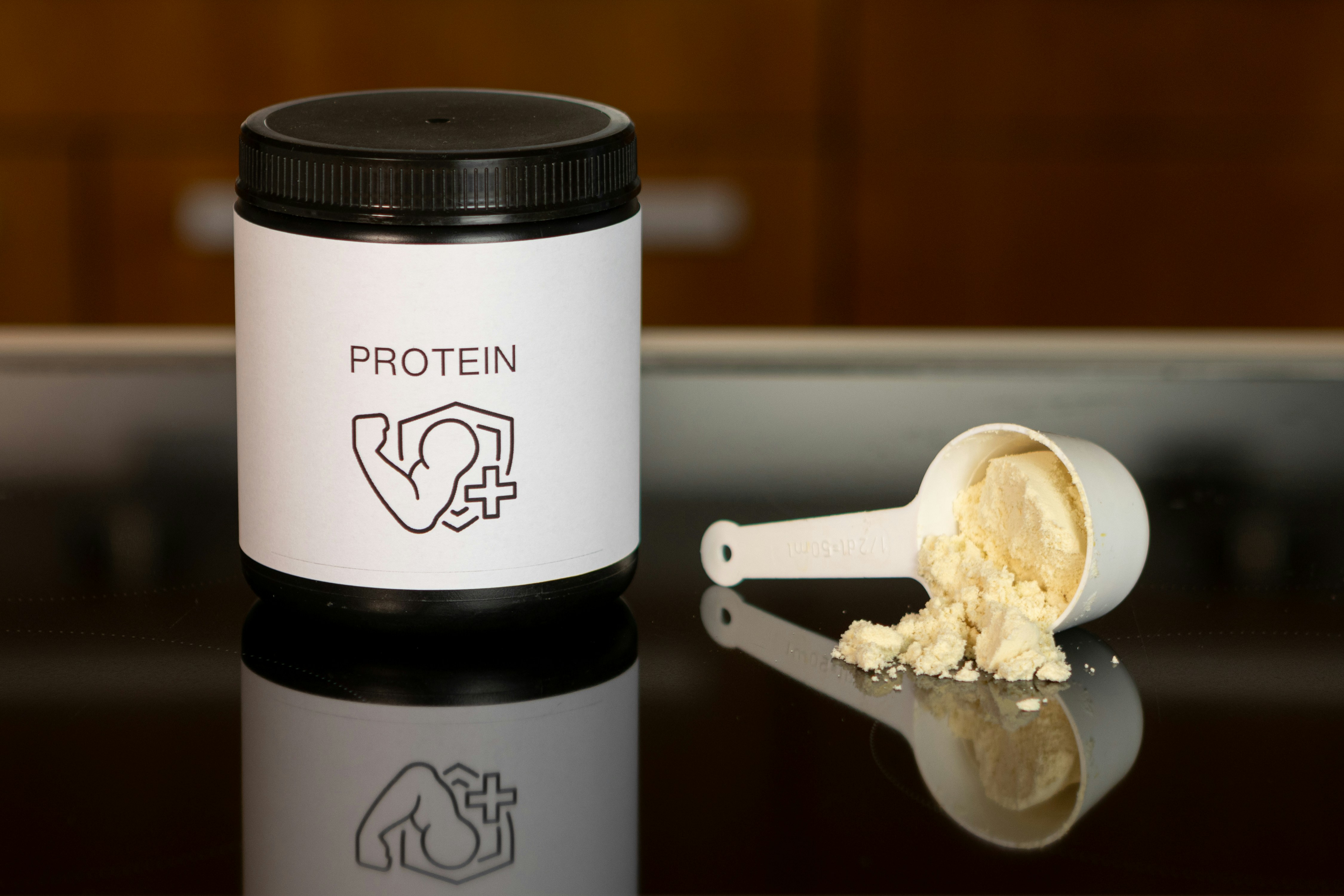
Incorporating no fad diets means choosing flexibility. People aiming for muscle gain alongside fat loss benefit from higher protein intake paired with resistance work.
Overall, these strategies foster reliable progress toward healthy body composition while avoiding metabolic pitfalls associated with yo-yo patterns.
Evidence-Based Steps for Safe Fat Loss and Muscle Building
Sustainable weight loss begins with establishing a moderate calorie deficit from nutrient-dense sources. Prioritize protein at each meal to preserve and build muscle during fat loss. Add resistance training sessions twice or three times per week for best body composition results. Fill half your plate with vegetables to increase volume without excess calories while supporting metabolism health. Choose whole grains and healthy fats in controlled portions. These steps match recommendations from expert-reviewed diets focused on safe fat loss and lasting outcomes. Begin tracking food to understand current habits and make targeted swaps. Increase daily steps to 8,000 or more for additional calorie burn and overall health. Review progress every two weeks and adjust intake up or down by 100 to 200 calories as needed. No fad diets are required because consistency with basics drives success. Pair training with adequate recovery including seven to nine hours of sleep nightly. Evidence indicates that combining diet and exercise yields superior retention of muscle compared to diet alone. Stay hydrated and manage stress through simple techniques like breathing exercises. These evidence-based weight loss actions help avoid common pitfalls and support ongoing improvements toward personal goals. Sustainable weight loss becomes achievable when habits fit into daily life rather than demanding perfection. Long term maintenance relies on flexible approaches that accommodate preferences and lifestyle factors such as work schedules and family meals. Programs emphasizing behavior change over rigid rules show higher retention rates. Incorporate variety in workouts to prevent boredom and plateaus. Focus on progressive overload in strength sessions for continued muscle gains. Use measurements and photos in addition to scale weight to assess true changes in body composition goals.
Boosting Metabolism Health and Overcoming Weight Loss Plateaus
Metabolism myths often lead people to believe extreme measures are necessary for progress, yet research debunks quick fixes. Mayo Clinic explains that building muscle through consistent training raises resting metabolism more reliably than supposed superfoods or supplements.
Weight loss plateaus occur when the body adapts to lower calorie intake and reduced activity. Sustainable weight loss resumes by recalculating needs and increasing protein while keeping strength sessions regular.
Simple troubleshooting includes checking sleep duration and stress levels since poor rest disrupts hormones tied to fat loss. Adding short walks after meals supports metabolism health without extra effort.
Evidence shows variety in exercise routines prevents stagnation better than repetition alone. Monitor body measurements and performance rather than relying solely on the scale during these periods.
Overcoming weight plateaus demands patience paired with data-driven tweaks like adjusting meal timing or volume. No fad diets are involved when basing changes on long-term studies.
Sustainable weight loss succeeds when individuals view plateaus as signals to refine habits instead of failures. Focus remains on safe fat loss and muscle retention for lasting body composition goals. Professional guidance from reviewed programs reinforces these adjustments effectively.
Sources
- https://www.healthline.com/nutrition/best-weight-loss-programs
- https://www.mayoclinic.org/healthy-lifestyle/weight-loss/in-depth/weight-loss/art-20047752
- https://www.forbes.com/health/weight-loss/best-diets
- https://pmc.ncbi.nlm.nih.gov/articles/PMC8017325
- https://www.healthline.com/nutrition/how-to-lose-weight
- https://www.mayoclinic.org/healthy-lifestyle/weight-loss/in-depth/metabolism/art-20046508
- https://pubmed.ncbi.nlm.nih.gov/32238384/
- https://www.healthline.com/nutrition/weight-loss-plateaus
- https://jamanetwork.com/journals/jama/article-abstract/2672904
- https://www.webmd.com/diet/features/weight-loss-myths