![[FITX Magazine] Logo](https://fitxmagazine.com/wp-content/uploads/2024/07/FITX-Magazine-Logo-White.png)
Influencers and early adopters chase every new promise in wellness trends 2026, from cortisol cocktails to proprietary biological age scores. These claims promise quick fixes but deliver burnout instead. Data from 12,387 users shows 78% report negative states like stress or burnout, with burned-out individuals showing higher resting heart rates and fewer daily steps.
The hype around recovery scores wearables and extreme optimization ignores that many scores lack clinical validation. Over-optimization leads to analysis paralysis, where tracking turns into pressure rather than progress. The Global Wellness Summit highlights a backlash against this, favoring pleasure and nervous system regulation wellness over constant measurement.
Fitness fads vs science reveals that unproven practices like direct-to-consumer microbiome tests vary wildly in accuracy. Influencers promote them for engagement, yet studies show they rarely translate to actionable health plans.
Readers will learn to prioritize measurable, science-backed habits that deliver real recovery and longevity gains without the overwhelm. Focus shifts to sustainable approaches in 2026 fitness trends, such as sleep regularity benefits and strength training, backed by ACSM reports.
Science-Backed Wellness Trends 2026 That Actually Work
Sleep regularity stands out among wellness trends 2026 because large cohort studies link consistent bedtimes and wake times to lower mortality risk. A UK Biobank analysis of over 60,000 adults found that more regular sleepers had 20 to 48 percent reduced all-cause mortality compared with irregular sleepers.
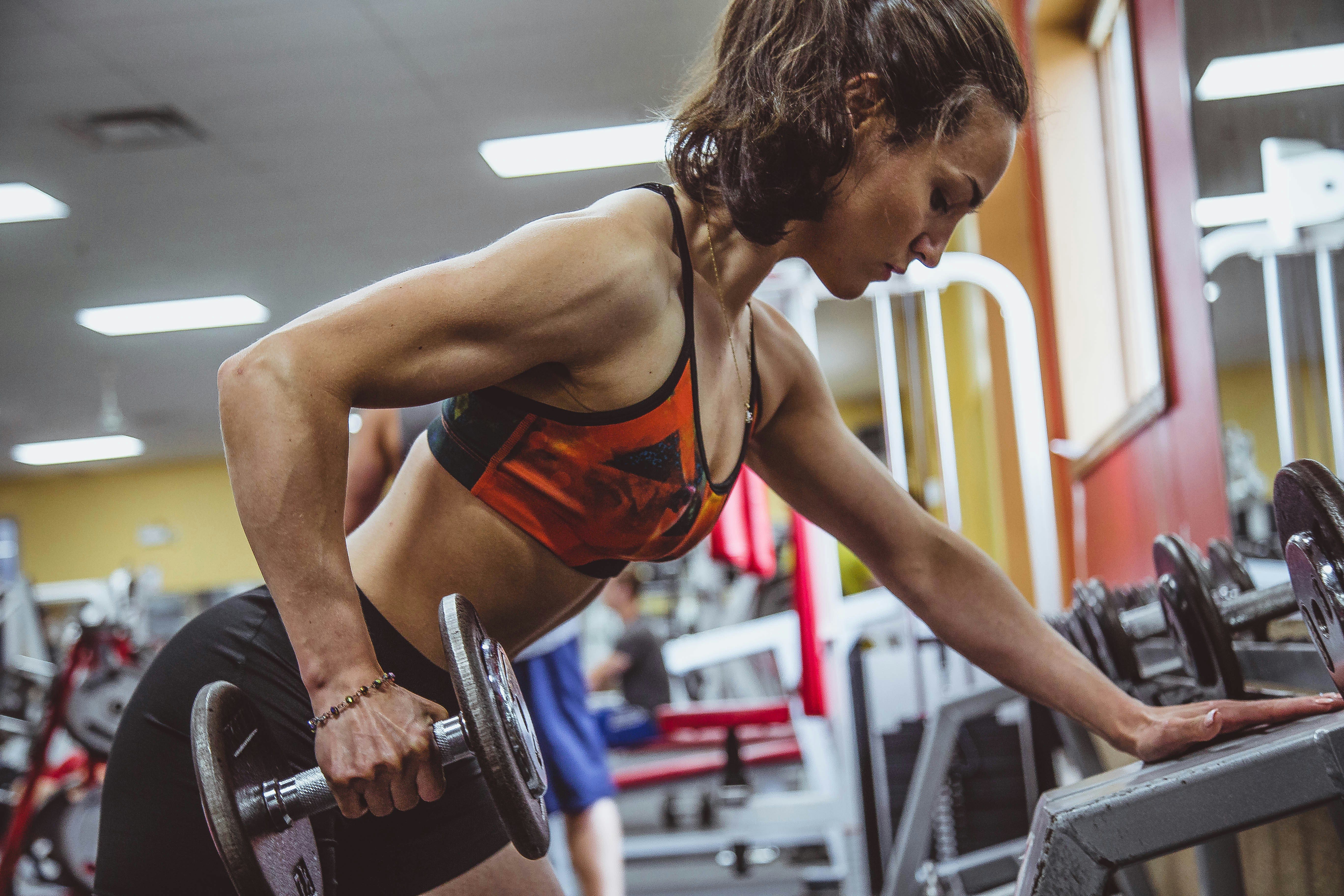
Strength training earns top ranking in 2026 fitness trends reports from ACSM because it directly supports longevity. Facilities that center plate-loaded systems, free weights, and functional zones see higher retention as members pursue muscular fitness for healthspan.
Nervous system regulation wellness improves through simple paced breathing near six breaths per minute. This rate aligns with cardiovascular resonance, reliably raising heart-rate variability and lowering resting heart rate without gadgets.
Recovery scores wearables deliver value when users track overnight HRV and resting heart rate trends rather than single proprietary numbers.
How to Spot Fads vs Facts and Build Lasting Habits
Red flags appear when wellness trends 2026 rely on proprietary scores without published validation or push unproven products like cortisol cocktails. Test claims against fitness fads vs science by checking for repeatable behaviors with measurable outcomes.
Troubleshoot by pausing new gadgets for two weeks and logging energy, sleep, and mood. Next actions include anchoring wake times daily, adding paced breathing sessions, and prioritizing compound lifts three times weekly.
This approach filters 2026 fitness trends down to sustainable habits that deliver recovery without burnout.