![[FITX Magazine] Logo](https://fitxmagazine.com/wp-content/uploads/2024/07/FITX-Magazine-Logo-White.png)

Many people struggle with stalled progress after initial success in changing body composition. Limiting beliefs often arise from repeated cycles of fad diets that deliver short-term drops but lead to regain and metabolic adaptation.
This guide serves individuals aiming to lose fat, build muscle, or maintain healthy body composition safely through proven methods.
Sustainable weight loss demands attention to physiological realities rather than quick fixes. High-protein intake paired with resistance training supports preservation of lean mass while reducing fat. Gradual reduction of 500 calories daily promotes steady results without muscle loss.
Body recomposition occurs when protein supports muscle protein synthesis and training stimulates growth. Readers can expect measurable fat loss alongside muscle gain over consistent months rather than weeks.
Sustainable weight loss requires breaking common plateaus by adjusting variables like training volume or meal timing. Evidence highlights that sleep quality and hydration directly influence metabolism health and adherence.
Outcomes include improved body composition that lasts, avoiding the yo-yo effect through long term habit formation focused on evidence based weight management.
High-Protein Diets and Training for Fat Loss While Building Muscle
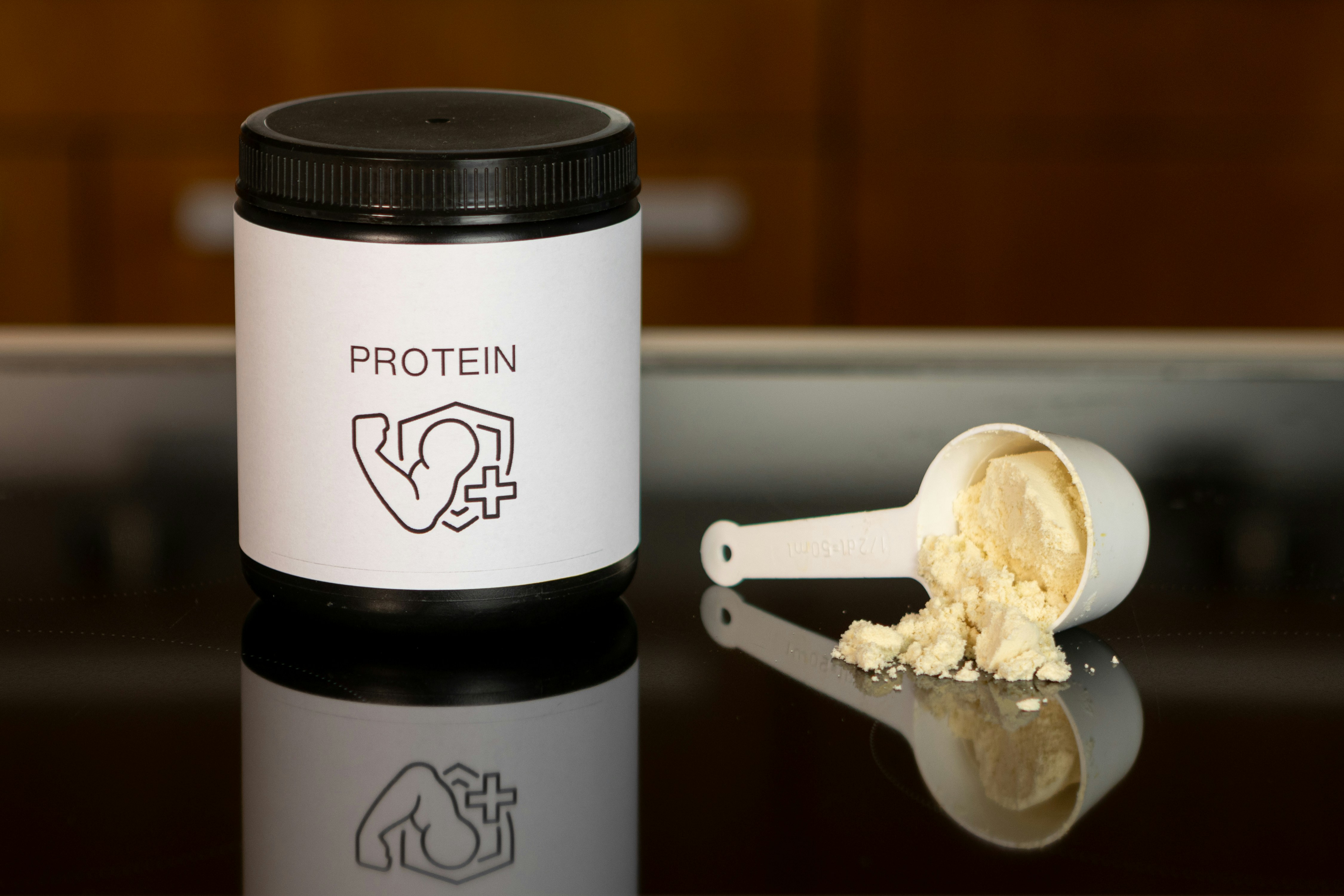
A high protein diet delivering 1.6 to 2.2 grams per kilogram of body weight daily supports muscle retention during a moderate calorie deficit. Pairing this intake with resistance training allows sustainable weight loss alongside visible improvements in body composition.
Progressive overload through compound lifts performed three to five days weekly drives muscle protein synthesis. Sessions lasting 45 to 60 minutes keep hormonal responses favorable for fat loss muscle gain.
Calorie cycling adds flexibility: increase carbohydrates on training days and reduce them on rest days. This method maintains training performance while sustaining a weekly deficit that promotes sustainable weight loss.
Protein timing around workouts further enhances recovery without requiring strict meal windows. Whole-food sources such as lean meats, dairy, and legumes should form the base with supplements filling gaps when needed.
Monitor waist measurements and strength logs instead of daily scale weight. Research confirms that high protein diets combined with structured training produce superior recomposition outcomes over 8 to 12 weeks compared with lower-protein approaches.
Overcoming Weight Loss Plateaus and Building Sustainable Habits
Weight loss plateaus arise mainly from metabolic adaptation after prolonged deficits that lower resting energy expenditure and spontaneous activity levels. These physiological shifts slow sustainable weight loss even when adherence holds steady.
Reassess total daily energy expenditure using current body weight then reduce intake by 100 to 200 calories or add structured cardio sessions. Progressive resistance training keeps muscle protein synthesis elevated to support ongoing body recomposition during this adjustment phase.
A high protein diet at 1.8 to 2.2 grams per kilogram continues to protect lean mass while dietitians recommend logging meals accurately for seven days to expose unnoticed calories from beverages or cooking oils. Increasing daily steps and varying workout intensity further stimulate metabolism health.
Prioritize seven to nine hours of quality sleep nightly and maintain hydration above three liters to optimize recovery hormones. Strength logs and waist measurements provide clearer feedback than scale weight alone during stalls.
Once progress resumes, transition gradually to maintenance calories rather than abrupt increases. This approach preserves fat loss muscle gain results and builds long term weight maintenance through consistent habits such as meal prep and periodic strength assessments.
Evidence based weight management succeeds long-term when flexible routines replace rigid rules allowing adaptation to life changes without regain.