![[FITX Magazine] Logo](https://fitxmagazine.com/wp-content/uploads/2024/07/FITX-Magazine-Logo-White.png)

Many individuals experience frustration with fad diets that promise fast results but lead to rebound weight gain and stalled progress. These methods often disrupt metabolism health and fail to support lasting changes in body composition. Sustainable weight loss avoids these pitfalls by emphasizing gradual, science-backed adjustments that protect muscle while reducing fat.
The goal is safe fat loss paired with muscle preservation. This approach helps people lose fat build muscle effectively without extreme restrictions. Those aiming for healthy body composition benefit from focusing on consistent nutrition, strength training, and recovery rather than temporary fixes.
Rapid weight loss frequently triggers a weight loss plateau as the body adapts by lowering its metabolic rate. Evidence-based weight management counters this through balanced calorie intake and progressive exercise. Studies confirm that preserving lean mass during deficits improves long-term outcomes and prevents metabolic slowdown.
Sustainable weight loss also incorporates adequate protein, regular lifting sessions, and quality sleep to maintain energy balance. These elements work together to overcome weight loss plateaus naturally. By prioritizing habits over hacks, individuals achieve and sustain their desired physique without cycling through ineffective trends.
Practical strategies include setting realistic timelines, tracking progress beyond the scale, and adjusting variables like activity levels when progress stalls. This framework supports ongoing success in fat reduction and muscle development while safeguarding overall health.
Key Evidence-Based Strategies for Fat Loss and Muscle Preservation
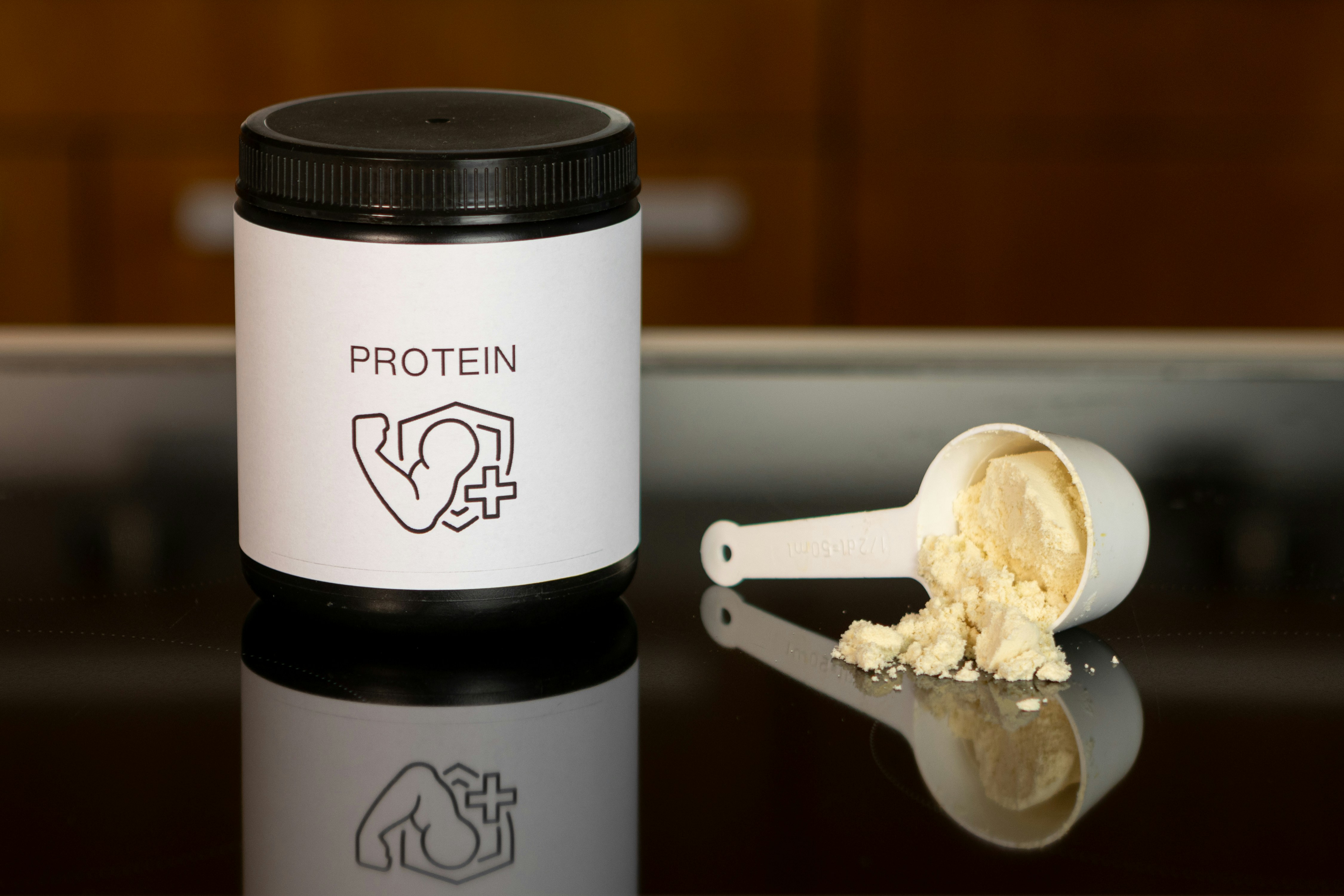
Evidence-based strategies emphasize balanced nutrition, consistent exercise, and proper recovery for optimal results in sustainable weight loss. Consuming adequate protein at 1.6 to 2.2 grams per kilogram of body weight each day helps preserve muscle tissue while facilitating fat reduction. Research highlights that this intake level supports lean mass retention during calorie deficits, enabling people to lose fat build muscle simultaneously.
Resistance training two to four sessions weekly drives muscle development and elevates resting metabolic rate. Prioritize multi-joint movements including squats, deadlifts, and overhead presses for comprehensive benefits. These activities complement dietary efforts to improve healthy body composition without excessive cardio.
Sleep duration of seven to nine hours nightly regulates key hormones like leptin and ghrelin that control appetite. Insufficient sleep often contributes to a weight loss plateau by slowing metabolism and increasing cravings.
Maintaining hydration by drinking water before meals can enhance satiety and support overall metabolism health. Combining these elements creates a foundation for long-term success in evidence-based weight management.
Monitoring non-scale victories such as strength gains and energy levels provides motivation. Adjusting variables like protein timing or training intensity helps overcome weight loss plateaus when progress slows. Sustainable weight loss results from integrating these proven tactics into daily routines rather than relying on temporary solutions. Progressive overload in training further amplifies muscle preservation while a focus on whole foods sustains energy. Behavioral consistency across diet and activity ensures metabolism health remains stable throughout the process.
Overcoming Weight Loss Plateaus and Maintaining Long-Term Results
Plateaus arise when metabolism adapts to lower calorie intake, reducing the rate at which the body burns energy. This natural response often appears after initial progress and can stall fat loss despite consistent efforts. Addressing it requires targeted changes rather than extreme restrictions.
Common mistakes involve slashing calories too aggressively or over-relying on cardio, both of which risk muscle loss and further metabolic slowdown. Evidence shows preserving lean tissue through adequate protein and resistance work prevents these setbacks while supporting healthy body composition.
Key actions include increasing protein to 1.6–2.2 grams per kilogram of body weight, adding two to three strength sessions weekly, and ensuring seven to nine hours of sleep. Hydration and slight increases in daily movement also help overcome weight loss plateaus without compromising metabolism health.
How long should a stall last before acting? Four weeks of no change with good adherence typically signals the need for adjustments. What works best for long-term maintenance? Periodic calorie cycling and continued lifting sustain results better than repeated dieting cycles.
Sustainable weight loss succeeds when habits replace short-term fixes. Monitoring strength gains, energy, and measurements rather than scale weight alone keeps motivation high. Consistent application of these strategies allows individuals to lose fat build muscle and maintain progress indefinitely.
Sources
- https://www.healthline.com/nutrition/how-to-lose-weight-as-fast-as-possible
- https://www.shifttostrength.com/post/sustainable-weight-loss-evidence-based-strategies
- https://www.ncbi.nlm.nih.gov/books/NBK576400
- https://www.mayoclinic.org/healthy-lifestyle/weight-loss/in-depth/weight-loss-plateau/art-20044615
- https://link.springer.com/article/10.1007/s11154-025-09968-3
- https://www.mdpi.com/2072-6643/18/1/12
- https://www.healthline.com/nutrition/weight-loss-plateau
- https://iapam.com/2025-medical-weight-management-trends
- https://www.dovepress.com/informing-chinas-weight-management-year-with-global-evidence-a-systema-peer-reviewed-fulltext-article-JMDH
- https://www.parashospitals.com/blogs/ultimate-guide-to-sustainable-weight-loss-evidence-based-strategies