![[FITX Magazine] Logo](https://fitxmagazine.com/wp-content/uploads/2024/07/FITX-Magazine-Logo-White.png)

Many fitness enthusiasts begin with solo workouts but soon face declining motivation. Without external support daily habits slip away leading to frustration and dropout. Isolation plays a major role as there is no one to share victories or push through challenges. This pattern affects fitness class attendees and run club members who initially prefer independence.
Evidence shows that social connections dramatically improve results. Group settings provide the accountability missing from individual routines. Evidence-based overview of social connections improving fitness adherence and health explains the link between belonging and consistent participation. 2025 article on how group exercise combats loneliness and builds connections adds that these interactions reduce feelings of disconnection.
A fitness community offers practical advantages like shared schedules and collective encouragement. Participants report higher mental health benefits and better adherence rates when surrounded by like-minded individuals. 2026 local guide with stats on adherence rates and mental health from clubs provides data backing these outcomes. The psychology of social fitness reveals how community support for fitness creates positive reinforcement loops that solo training cannot match.
Ultimately joining such a group leads to sustained health improvements. Individuals discover that finding a fitness tribe turns sporadic activity into a reliable lifestyle. This shift delivers the consistency solo efforts lack fostering both physical gains and meaningful relationships through run club motivation and group exercise benefits.
Real-World Examples of Run Clubs and Fitness Tribes That Work
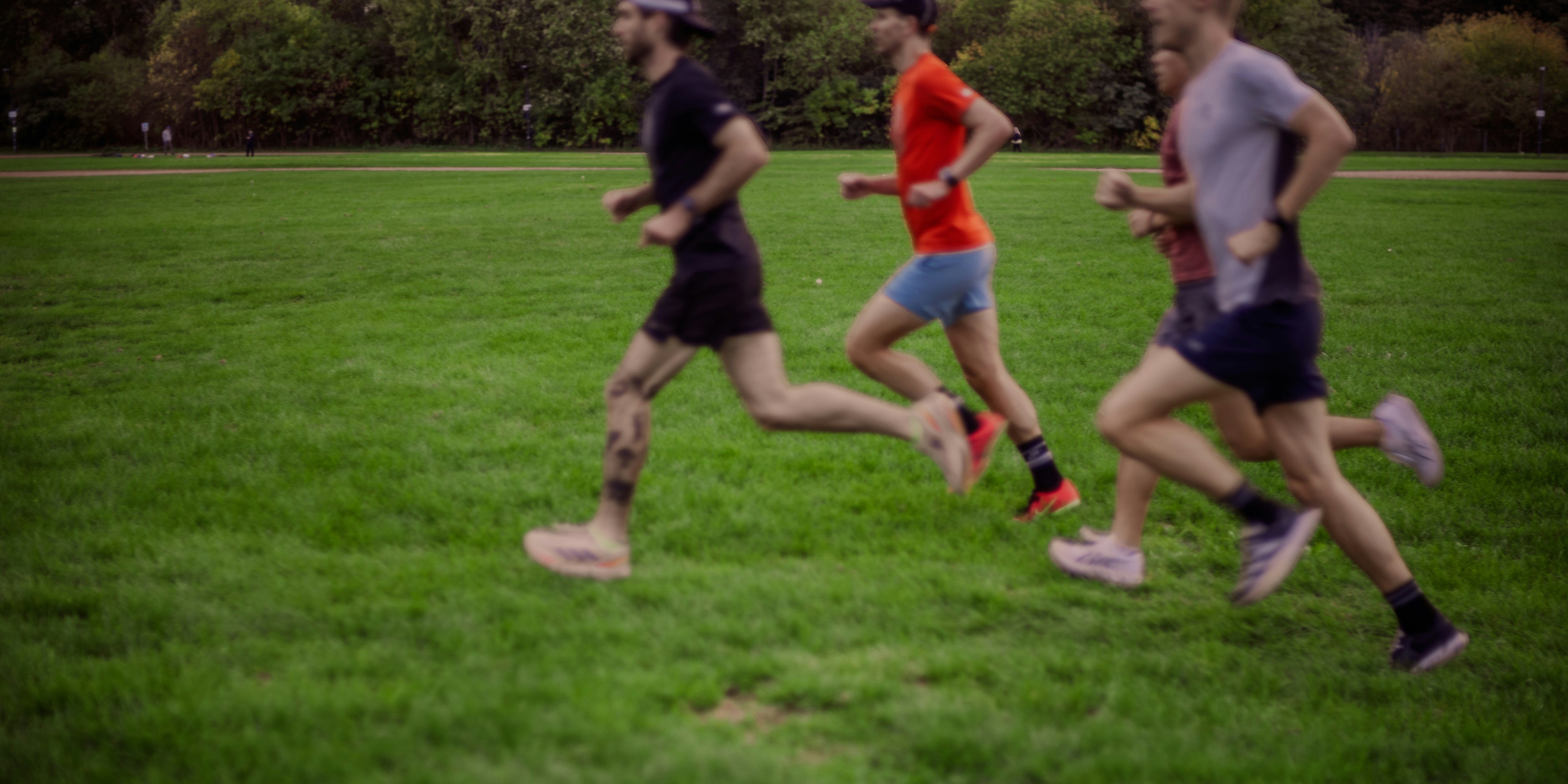
Run clubs in Singapore showcase the power of a fitness community by creating inclusive environments that prioritize motivation and consistency. Members join weekly sessions where shared goals foster strong bonds and reliable attendance. These groups help individuals transition from solo attempts to structured routines backed by peers.
In Essex, run clubs deliver measurable results with high adherence rates tied to improved mental health. The sense of belonging encourages participants to show up even on difficult days.
Social fitness trends in 2026 reveal how community support for fitness drives the surge in group activities. Participants benefit from run club motivation that combats dropout through regular interaction and encouragement.
The psychology of social fitness shows that community support systems create environments where accountability becomes natural. Members hold each other responsible for goals, leading to better outcomes than isolated training.
Finding a fitness tribe within these settings provides the accountability needed for progress. Group exercise benefits extend to emotional support and shared learning about training techniques. Overall, these examples illustrate how a fitness community turns intention into sustained action through connection and collective energy.
Explorations of the 2026 social fitness trend focus on accountability and belonging in groups that help new members integrate quickly. This structure ensures everyone feels part of something larger, boosting commitment levels.
Research linking social networks with physical activity for wellbeing confirms that older adults particularly thrive in such settings. The same principles apply across age groups in run clubs around the world.
How to Find and Thrive in Your Fitness Community
Start by exploring local directories and online listings to identify run clubs or group classes that match your schedule and goals. Sites such as fitnessinsg.com list inclusive options that emphasize friendship and accountability from day one.
Visit introductory sessions of two or three groups before committing. Pay attention to the atmosphere and whether members encourage newcomers. This step helps you locate the right fitness community without wasting time on mismatched environments.
Once you join, attend regularly for the first four weeks. Consistent presence builds fitness accountability and allows social connections in fitness to form naturally. Share your progress and ask for advice to deepen relationships.
Avoid the common error of overcommitting to multiple groups simultaneously. Focus on one primary tribe so you can contribute meaningfully and receive targeted support.
Thrive by volunteering to lead warm-ups or organize occasional events. These actions strengthen community support for fitness and increase your sense of belonging. Track how run club motivation improves your adherence over time.
Check in with members outside training sessions through group chats or casual meetups. This extends group exercise benefits into daily life and sustains long-term health goals. Updated 2026 directory of inclusive run clubs emphasizing friendship and accountability and 2026 guide highlighting clubs for motivation, community and fitness consistency provide further starting points for building your network.
Sources
- https://moveweekly.com/run-clubs-walking-trends-zone-2-training-in-2026
- https://fitlifestyle.live/blog/run-club-social-fitness-guide
- https://ultrafit360.com/blog/social-fitness-running-clubs-community-powered
- https://www.sportplus.sg/post/best-running-clubs-in-singapore-to-join-in-2026-for-motivation-community-and-fitness-consistency
- https://fitnessinsg.com/singapore-run-clubs
- https://summitmentality.com/best-run-clubs-chelmsford-essex
- https://www.ideafit.com/the-benefits-of-social-connections-in-fitness
- https://stories.tamu.edu/news/2026/01/21/stronger-together-how-social-connections-and-physical-activity-team-up-to-boost-older-adults-health
- https://www.onepeloton.com/blog/social-benefits-of-exercise
- https://www.wellnessliving.com/blog/running-club-boom