![[FITX Magazine] Logo](https://fitxmagazine.com/wp-content/uploads/2024/07/FITX-Magazine-Logo-White.png)

Cardio and endurance workouts aren’t just for athletes—they’re essential for heart health, calorie burn, and overall fitness. Improving endurance helps you perform daily activities with ease, reduces fatigue, and supports long-term health.
Key benefits:
- Stronger cardiovascular system
- Increased lung capacity and stamina
- Enhanced fat burning and metabolism
Hack 1: High-Intensity Interval Training (HIIT)
HIIT is one of the fastest ways to improve endurance and burn calories. By alternating between intense bursts and recovery periods, your body adapts quickly and efficiently.
Example: Sprint for 30 seconds, walk for 60 seconds, repeat for 15–20 minutes.
Why it works: HIIT improves cardiovascular capacity, builds stamina, and elevates metabolism long after your workout.
Hack 2: Incorporate Fartlek Workouts
Fartlek, Swedish for “speed play,” blends steady-state cardio with bursts of speed. Unlike traditional intervals, it’s flexible and fun, making it ideal for endurance improvement.
Tip: During a run, alternate jogging with short sprints whenever it feels natural. Your heart and lungs will adapt faster than steady running alone.
Hack 3: Focus on Heart-Rate Zones
Monitoring your heart rate ensures your workouts are effective and safe. Beginners often overtrain or undertrain because they don’t know their optimal zones.
Guidelines:
- 50–60% of max heart rate for fat burn
- 70–80% for endurance improvement
- 85–95% for advanced HIIT sessions
Pro Tip: Use a heart-rate monitor or smartwatch to track progress and adjust intensity.
Hack 4: Optimize Recovery for Faster Gains
Recovery is as important as the workout itself. Without proper rest, muscles fatigue, and endurance gains slow down.
Recovery hacks:
- Active recovery: light jogging, cycling, or swimming
- Stretching and foam rolling to prevent soreness
- Prioritize sleep for optimal muscle repair and cardiovascular health
Hack 5: Mix Low-Impact Cardio Options
Variety prevents burnout and reduces injury risk. Mix cycling, swimming, rowing, and elliptical workouts with running to target different muscle groups and improve overall endurance.
Example: Alternate running with swimming twice a week to enhance stamina without overloading joints.
Hack 6: Strength Training Boosts Endurance
Yes, lifting weights helps endurance too! Stronger muscles improve efficiency and delay fatigue, allowing longer and more intense cardio sessions.
Tips:
- Include compound exercises like squats, lunges, and deadlifts
- Core strengthening improves posture and running mechanics
- Full-body circuits combine strength and cardio for maximum results
Hack 7: Nutrition Hacks for Cardio Performance
Fueling your body properly accelerates results. Eating the right foods enhances energy, delays fatigue, and supports recovery.
Nutrition tips:
- Pre-workout: carbs for quick energy (banana, oatmeal)
- Post-workout: protein for muscle repair (chicken, yogurt)
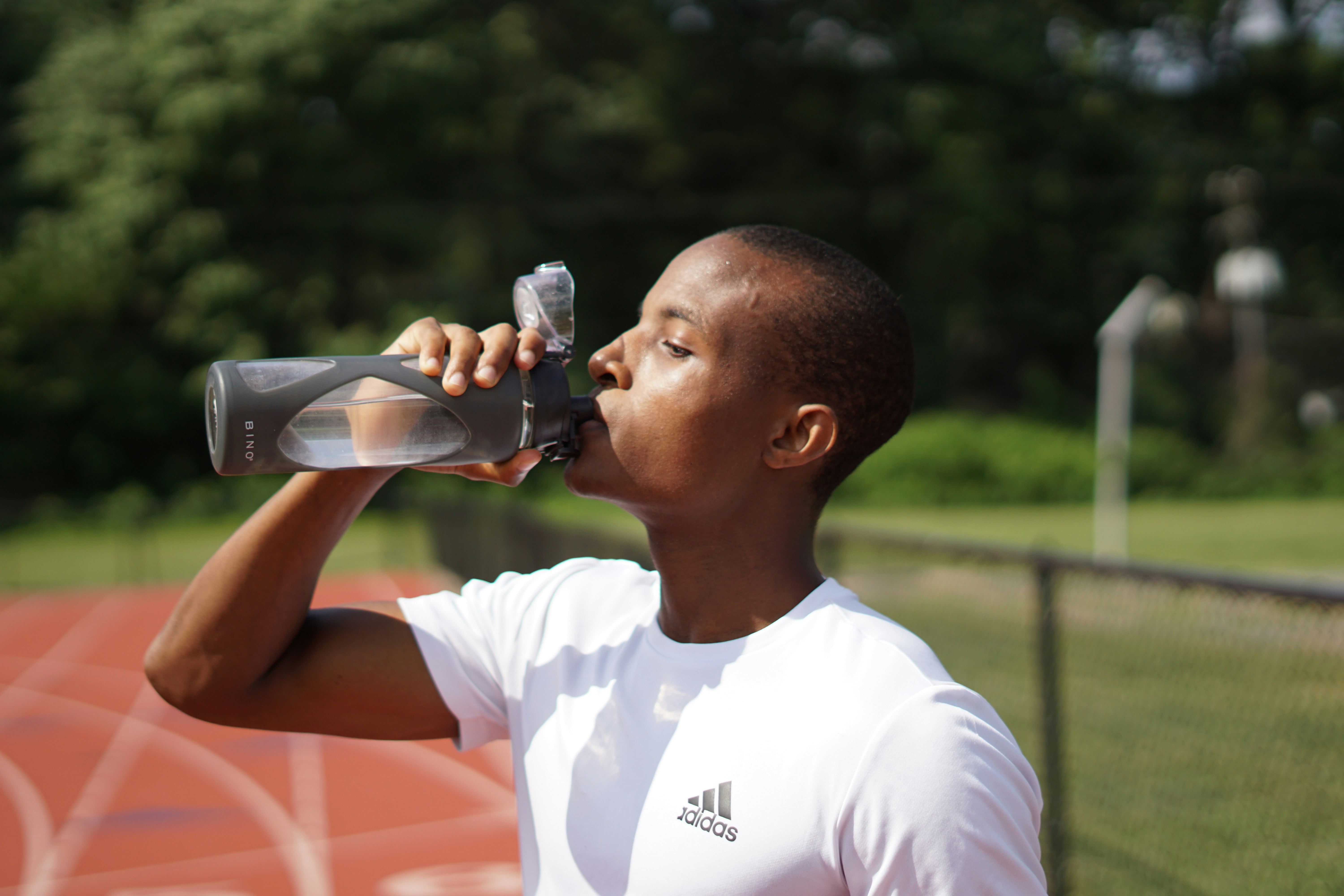
- Hydration: water or electrolyte drinks during longer sessions
Hack 8: Mental Endurance Techniques
Cardio isn’t just physical—it’s mental. Developing mental resilience helps you push through tough sessions and long workouts.
Techniques:
- Visualization: imagine completing a long run successfully
- Music or podcasts: distract and motivate
- Goal setting: track distance, time, or reps to maintain focus
Hack 9: Track Progress for Motivation
Tracking metrics like distance, pace, heart rate, or calories burned helps identify improvement areas and boosts motivation. Use apps or fitness trackers to set goals and celebrate milestones.
Example: Gradually increase running distance by 10% per week to build endurance safely.
Frequently Asked Questions (FAQs)
Can beginners use HIIT for endurance?
Yes, but start with shorter intervals and lower intensity to prevent injury and allow adaptation.
How often should I do cardio for endurance gains?
3–5 sessions per week, mixing steady-state and interval training, is ideal for most beginners and intermediate athletes.
Does strength training really help endurance?
Absolutely. Stronger muscles improve running economy, prevent fatigue, and support sustained performance.
What’s the best pre-workout meal for cardio?
Light, carb-rich foods like bananas, oatmeal, or a smoothie 30–60 minutes before training provide energy without discomfort.
Can I improve endurance without running?
Yes. Swimming, cycling, rowing, and elliptical workouts are excellent for boosting cardiovascular fitness and endurance.
Conclusion
Transforming your cardio and endurance results isn’t about spending hours on the treadmill. By using these expert-approved hacks—HIIT, heart-rate monitoring, variety, strength training, proper nutrition, and mental strategies—you can accelerate results and enjoy faster gains safely. Start integrating these techniques today, and watch your stamina, performance, and overall fitness skyrocket!
Internal Link Suggestions:
- “Top 10 Fitness Hacks for Busy Professionals”
- “Beginner’s Guide to Strength & Cardio Workouts”
- “Best HIIT Workouts for Maximum Fat Burn”
External Authoritative Sources: