![[FITX Magazine] Logo](https://fitxmagazine.com/wp-content/uploads/2024/07/FITX-Magazine-Logo-White.png)

You’ve stuck to your diet and workouts, yet the scale refuses to budge. This frustrating stall, known as a weight loss plateau, hits nearly 85% of dieters. Your body triggers metabolic adaptation, slowing your resting metabolic rate to conserve energy even as habits stay consistent, as explained by obesity expert Dr. Meena Malhotra in a recent article.
Several factors contribute. Losing muscle mass without resistance training reduces calorie burn, since muscle boosts metabolism. Hormonal shifts, like dropping leptin and rising ghrelin, ramp up hunger. Poor sleep or stress elevates cortisol, promoting fat storage. Initial rapid drops often stem from water weight, not fat, leading to disappointment when true fat loss slows.
Fad diets promise quick fixes but fail long-term, often causing yo-yo weight cycling. Overcoming weight loss plateau requires evidence-based weight management focused on sustainable weight loss.
The fix lies in body recomposition: lose fat while gaining muscle for healthy body composition. Prioritize a high protein diet (1.2-1.5g/kg body weight) to preserve muscle mass and enhance satiety, per NCBI guidelines. Incorporate resistance training 2-3 times weekly to build muscle and boost metabolism, as supported by Healthline’s body recomposition guide.
Boost non-exercise activity thermogenesis (NEAT) like walking more or standing desks. Introduce a short recovery phase with slightly higher calories from protein and fiber to reset hormones. Track progress beyond the scale—measurements, energy levels, strength gains signal success in overcoming weight loss plateau.
Body Recomposition: Lose Fat While Building Muscle
Body recomposition transforms your physique by simultaneously losing fat and building muscle, creating a leaner, stronger healthy body composition. Unlike traditional dieting that risks muscle loss, this approach counters metabolic adaptation during overcoming weight loss plateau through targeted nutrition and training.
Create a moderate calorie deficit of 300-500 daily calories to fuel fat loss without extreme cuts that slow metabolism. A high protein diet is essential, aiming for 1.6-2.2g per kg body weight to preserve muscle mass and boost satiety. Studies show high protein intake during calorie restriction prevents muscle breakdown and enhances fat loss, as detailed in a review on muscle preservation.
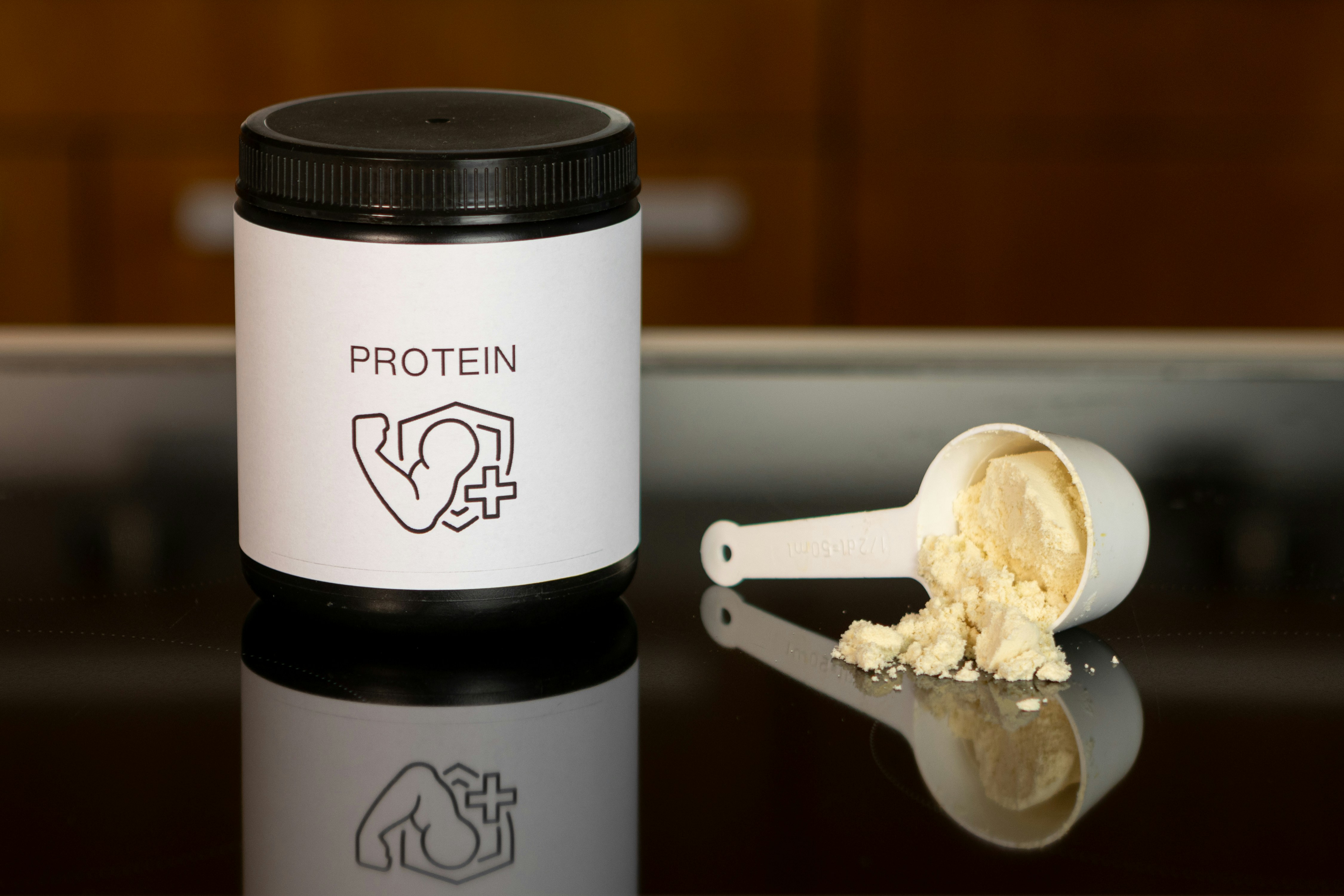
Prioritize protein sources like lean meats, eggs, dairy, legumes, and whey supplements spread across meals. This supports muscle protein synthesis, helping overcome weight loss plateau by maintaining metabolic rate.
Resistance training drives muscle growth. Train 3-4 days weekly with compound lifts: squats, deadlifts, bench presses, rows, and overhead presses. Progressive overload—increasing weight or reps—signals your body to build muscle, boosting metabolism since muscle burns more calories at rest, per WebMD insights.
Combine with cardio 2x weekly for fat oxidation, but keep sessions moderate to avoid muscle catabolism. Incorporate NEAT activities like daily walks to elevate total energy expenditure without overtraining.
Healthline’s guide confirms this strategy works for all levels: beginners see faster recomposition, while advanced trainees refine it. Track via body measurements, photos, and strength logs, not just scale weight, for motivation in sustainable weight loss.
Real results emerge in 8-12 weeks with consistency. This evidence-based weight management rebuilds your metabolism, ensuring long-term success in lose fat gain muscle goals.
Overcoming Plateaus: Evidence-Based Strategies for Long-Term Success
Even with body recomposition underway, metabolic adaptation can trigger another stall. Overcoming weight loss plateau involves precise, evidence-based weight management tweaks to boost metabolism and sustain progress toward healthy body composition.
Start with a recovery phase: for 1-2 weeks, raise calories by 20-30% focusing on protein and fiber. This counters hormonal shifts like low leptin, restoring energy without fat regain, as advised by obesity expert Dr. Malhotra. High protein diet at 1.2-2g/kg preserves muscle mass; fiber slows digestion for better satiety.
Ramp up NEAT activities: add 2,000-3,000 daily steps, use stairs, stand desks. These elevate energy expenditure without gym fatigue, supporting NCBI strategies.
Intensify resistance training: increase volume or weights progressively 3-4x weekly. Combine with moderate cardio. This builds muscle to counteract slowdowns, per muscle preservation review.
Address pitfalls:
- Prioritize 7-9 hours sleep; deprivation spikes cortisol, stalling fat loss (metabolic reset guide).
- Eat consistent meals daily for superior weight loss (ScienceDaily research).
- Manage stress via walks or meditation to lower cortisol.
Dynamic calorie cycling—alternate deficit and maintenance days—prevents adaptation. Track non-scale victories: waist measurements, strength PRs.
Mayo Clinic diet emphasizes habits over fads for long-term success. These weight loss strategies make overcoming weight loss plateau routine, ensuring sustainable weight loss.
Sources
- https://nypost.com/2026/04/13/health/im-an-obesity-doctor-why-your-weight-loss-can-suddenly-plateau-even-when-your-diet-hasnt-changed/
- https://www.usevedic.com/article/2026-metabolic-reset-guide
- https://www.ncbi.nlm.nih.gov/books/NBK576400/
- https://www.healthline.com/nutrition/body-recomposition
- https://pmc.ncbi.nlm.nih.gov/articles/PMC5421125/
- https://www.webmd.com/obesity/features/muscle-and-weight-loss
- https://diet.mayoclinic.org/us/blog/weight-management/mayo-clinic-diet/
- https://www.niddk.nih.gov/health-information/weight-management
- https://www.sciencedaily.com/releases/2026/03/260330233357.htm
- https://www.frontiersin.org/journals/nutrition/articles/10.3389/fnut.2022.1073576/full