![[FITX Magazine] Logo](https://fitxmagazine.com/wp-content/uploads/2024/07/FITX-Magazine-Logo-White.png)

Many individuals face significant frustration when progress halts due to overcoming weight loss plateaus after initial success with restrictive approaches. These methods often fail because they ignore the body’s adaptive responses, leading to slowed metabolism and loss of muscle rather than fat. The audience for this discussion includes those seeking to lose fat, build muscle safely, or maintain a healthy body composition without risking health. Sustainable weight loss offers a path to real results by focusing on evidence-based strategies that support long-term metabolism health.
Physiological contributors to stalled progress include changes in hormone levels and energy expenditure, as explored in detailed 2025 reviews on weight management. narrative review on overcoming weight loss plateaus highlights interventions such as adjusting calorie intake gradually and incorporating strength training. Official guidance from the CDC stresses gradual loss of 1 to 2 pounds weekly to avoid muscle loss and promote healthy weight maintenance.
Behavioral techniques like self-monitoring and cognitive approaches help address common challenges during plateaus. StatPearls on evidence-based strategies provides practical dietary changes that balance nutrients for sustained energy. Personalized plans without fads ensure individuals can build muscle safely while managing overall body composition effectively.
By prioritizing consistent habits over temporary restrictions, people achieve better outcomes in weight management without fad diets. Tracking progress with tools like BMI calculators supports informed decisions for ongoing success. Resources such as the NHLBI BMI tool assist with assessment. WebMD notes the importance of healthy weight ranges to preserve muscle. Weight Watchers programs demonstrate habits that lead to sustainable results. Rush provides clinical guidance for safe fat loss and wellness.
Daily Habits That Support Metabolism and Healthy Body Composition
Consistent daily habits form the foundation for sustaining metabolism health while pursuing overcoming weight loss plateaus. Individuals focused on sustainable weight loss can incorporate strength training sessions three times weekly to build muscle safely and support healthy body composition. This approach counters adaptive metabolic slowdowns often encountered during plateaus.
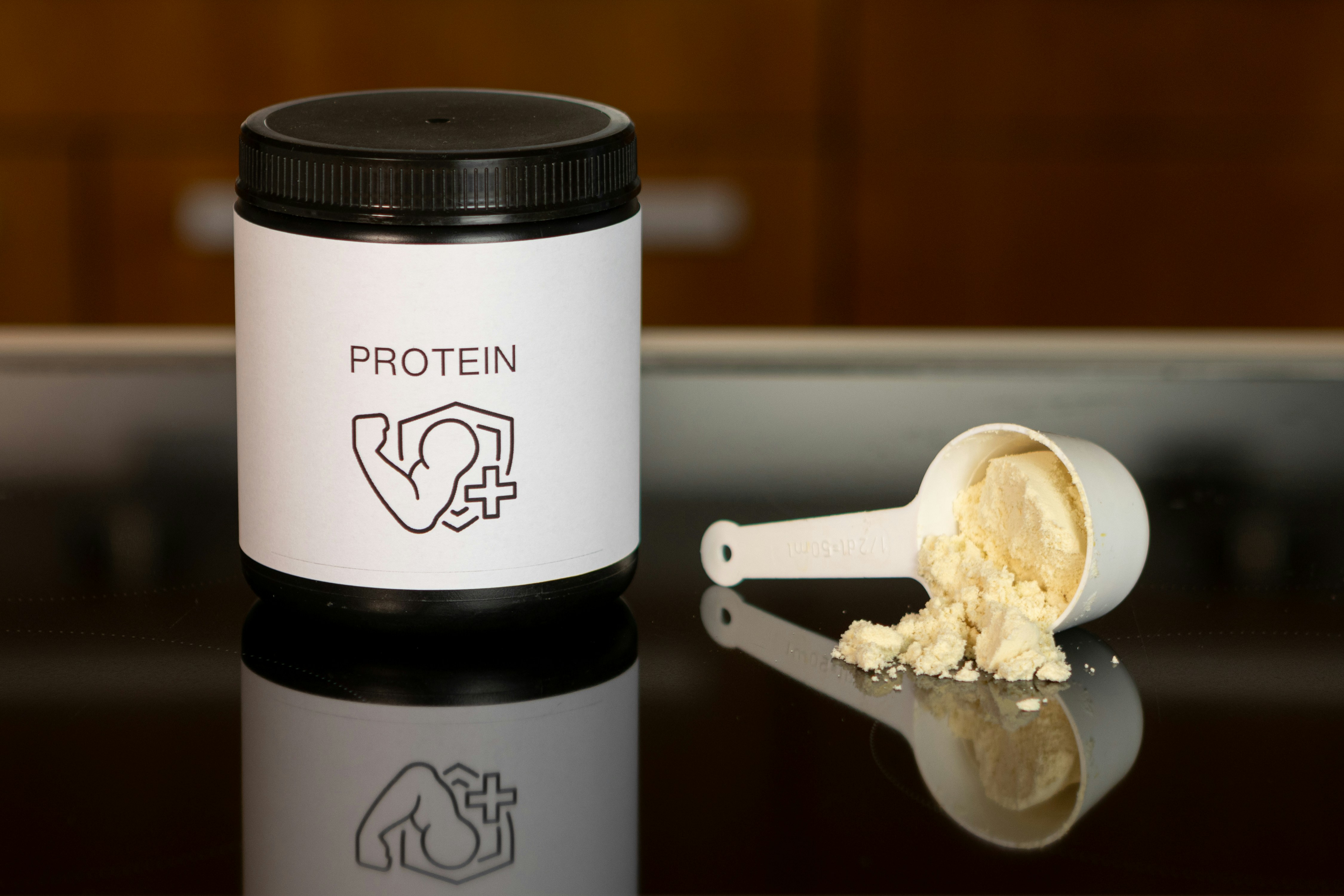
Protein-rich meals at regular intervals help maintain energy expenditure. Evidence-based strategies recommend consuming adequate protein to preserve lean mass throughout weight management without fad diets. A 2025 review exploring physiological contributors highlights these interventions for lasting results.
Walking 8,000 to 10,000 steps each day enhances calorie burn without excessive fatigue. Self-monitoring of activity levels aids in overcoming weight loss plateaus by providing clear data for timely adjustments. Incorporating seven to nine hours of quality sleep supports hormone balance essential for healthy body composition.
Behavioral techniques such as tracking food intake promote accountability and gradual progress. Cognitive approaches help address barriers that arise when progress slows. These methods align with official guidance on sustainable loss to avoid quick reductions that harm muscle preservation.
Overcoming weight loss plateaus becomes more manageable through consistent routines rather than drastic changes. Resources on personalized plans reinforce the value of steady habits for long-term success in maintaining metabolism health and safe fat loss.
Step-by-Step Strategies to Overcome Plateaus and Maintain Progress
To restart progress first reassess daily calorie needs using reliable calculators because metabolic adaptation often occurs after initial weight loss. The NHLBI tool explains how to track changes accurately for ongoing body composition assessment. Increasing protein intake slightly while keeping overall calories balanced supports build muscle safely and sustains energy levels.
Next add two additional strength sessions weekly focused on compound movements. This counters the slowdown in metabolism health during overcoming weight loss plateaus. Evidence shows gradual adjustments work better than major overhauls for sustainable weight loss goals.
Incorporate more non-exercise activity such as standing desks or longer walks each day. Behavioral tracking helps identify lulls early. Official CDC advice on healthy weight growth recommends these steady methods for lasting improvements in healthy body composition without drastic action.
If stalled for over three weeks consider a diet break of one week at maintenance calories. This approach supported by narrative reviews restores hormone function and mental resilience according to the 2025 review. Troubleshoot common errors like underreporting portions by using precise measurements. Weight Watchers insights stress the value of honest logging for continued advancement.
For long-term success schedule regular check-ins and adjust based on body feedback rather than scale alone. Rush clinical resources highlight individualized programs that maintain healthy body composition safely. These evidence-based strategies ensure weight management without fad diets yields enduring benefits and helps prevent future setbacks.
Sources
- https://www.ajol.info/index.php/jfines/article/view/301643
- https://jfines.org/index.php/jfines/article/view/42
- https://www.ncbi.nlm.nih.gov/books/NBK576400
- https://belite.com/navigating-new-beginnings-the-science-of-sustainable-weight-loss-strategies-in-2025
- https://www.hims.com/weight-loss/support/overcoming-plateaus
- https://www.cdc.gov/healthy-weight-growth/losing-weight/index.html
- https://www.webmd.com/obesity/healthy-weight
- https://www.nhlbi.nih.gov/calculate-your-bmi
- https://www.weightwatchers.com/us
- https://www.rush.edu/how-much-should-i-weigh