![[FITX Magazine] Logo](https://fitxmagazine.com/wp-content/uploads/2024/07/FITX-Magazine-Logo-White.png)

Do you drag yourself out of bed feeling exhausted, battle mid-afternoon slumps, and end the day wired from unrelenting stress? These symptoms plague millions of everyday people juggling work, family, and endless to-dos. The culprits? Poor quality sleep, minimal daily movement, and unchecked stress that sap your vitality.
The solution lies in building sustainable healthy lifestyle habits centered on three pillars: quality sleep, daily movement, and effective stress reduction. Small, consistent changes yield profound results, from sharper focus and steady energy to improved mood and resilience.
Research from WashU Surgery highlights how prioritizing 7-9 hours of sleep, regular physical activity, and stress management delivers CDC-backed benefits like better heart health, stronger immunity, and lower disease risk https://surgery.wustl.edu/healthy-lifestyle-habits-for-2026/. UCLA Health experts note that quality sleep directly combats stress, while movement and mindfulness practices boost happiness and regulate the nervous system https://www.uclahealth.org/news/article/nine-mental-health-tips-happier-2026.
Choice Physicians Group recommends simple shifts like daily walks for cardiovascular health, 7-9 hours of sleep through routines, and mindfulness to ease chronic tension https://choicephysiciansgroup.com/blog/5-simple-lifestyle-changes-to-improve-your-health-in-2025/. Bowen Health echoes this with easy habits: stretch upon waking, breathe deeply for stress reduction, and create screen-free wind-downs for better sleep https://www.bowenhealth.org/blog/five-easy-ways-to-build-healthy-lifestyle-habits-in-2026.
These healthy lifestyle habits aren’t about perfection or extremes—they’re practical for busy lives. Expect less fatigue, sustained energy, and calmer days. Ahead, discover actionable steps for sleep hygiene, effortless movement, and proven stress tools to reclaim your well-being.
Master Quality Sleep: Actionable Tips for 7-9 Hours of Restorative Rest
Quality sleep anchors sustainable healthy lifestyle habits, combating fatigue and boosting daily performance. Adults need 7-9 hours nightly for restorative rest that repairs tissues, consolidates memories, and balances hormones.
Maintain a consistent sleep-wake schedule, aligning with your natural circadian rhythm. Go to bed and rise at the same times daily, even weekends, to stabilize your internal clock. WashU Surgery emphasizes this for long-term health benefits.
Optimize your sleep environment for success. Keep the bedroom cool at 60-67°F, pitch dark with blackout curtains, and quiet using white noise or earplugs. Reserve the bed for sleep and intimacy only, avoiding work or TV. Bowen Health recommends a cool, dark, quiet room.
Establish a calming pre-bed routine 30-60 minutes before lights out. Dim lights, read a book, or practice gentle stretches. Avoid screens, as blue light suppresses melatonin. UCLA Health advises against social media or news before bed.
Watch stimulants: cut caffeine after noon and limit alcohol, which fragments sleep despite initial drowsiness. Choice Physicians Group suggests consistent bedtimes and no screens an hour prior.
Incorporate daytime physical activity, like walks, but finish vigorous exercise 3-4 hours before bed to allow cooldown.
Track progress with a sleep diary noting duration, quality, and factors. These sleep hygiene steps integrate into healthy lifestyle habits, yielding sharper focus, stable mood, and resilience against stress.
Easy Daily Movement and Stress Reduction Routines for Busy Lives
Incorporate daily movement into healthy lifestyle habits to counter sedentary routines and amplify energy. Start small: aim for 20-30 minutes of physical activity spread throughout the day. Choice Physicians Group endorses daily walks for cardiovascular health and stress relief.
Morning Stretch Routine (5 minutes):
- Upon waking, stretch in bed: reach arms overhead, twist gently side-to-side, hug knees to chest.
- Stand and do calf raises, shoulder rolls, neck tilts. Bowen Health suggests this boosts mood and circulation.
Midday Movement Break (10 minutes):
- Park farther away or take stairs for extra steps.
- Walk during calls or lunch: brisk pace outdoors if possible. UCLA Health finds 45 minutes weekly movement regulates the nervous system.
Evening Wind-Down Walk (10 minutes):
- Gentle stroll post-dinner aids digestion and signals bedtime. Wearables track progress for motivation, per WashU Surgery.
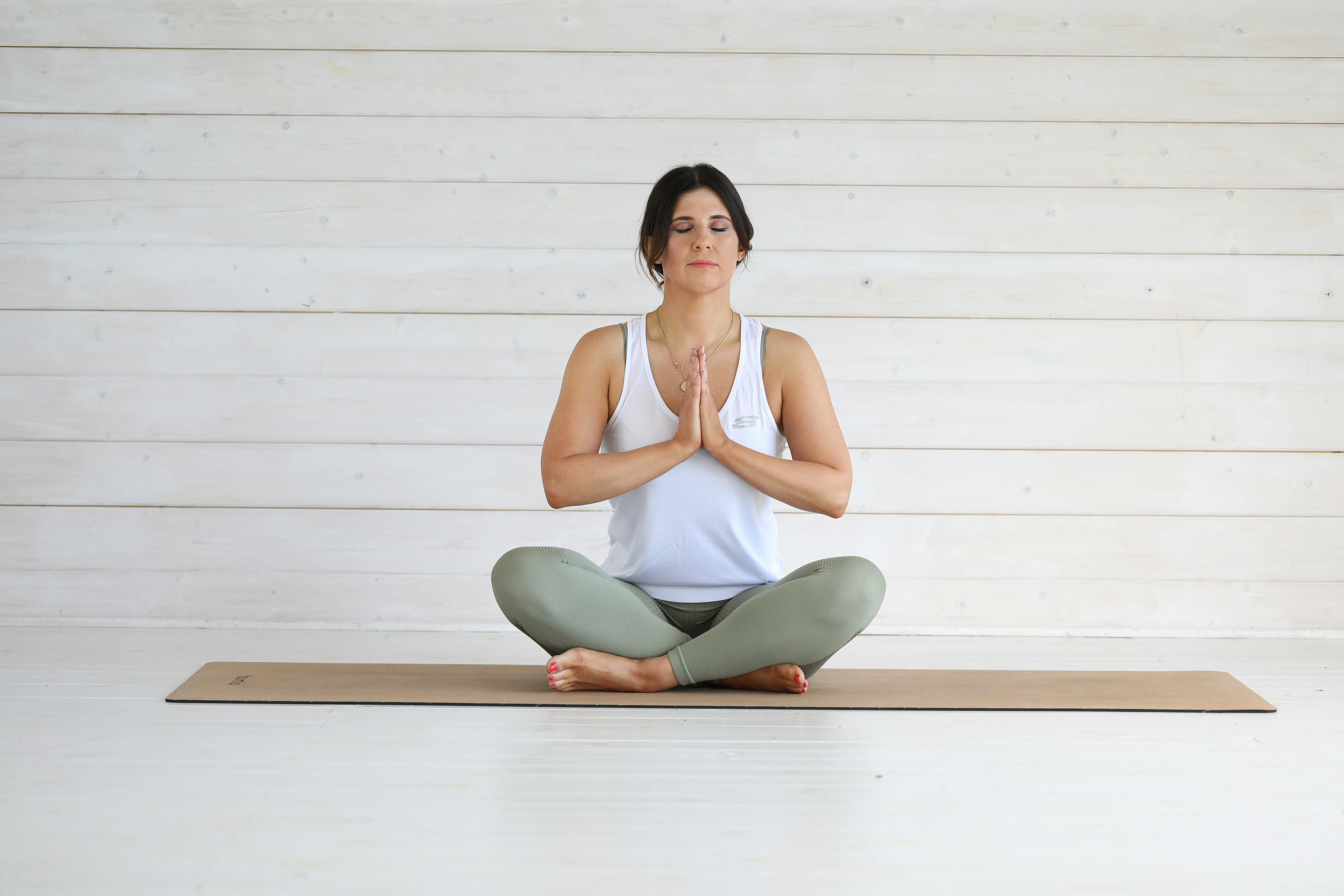
Pair movement with stress reduction for synergy. Chronic tension disrupts sleep; counter it with mindfulness practices.
Daily Stress Busters:
- Deep Breathing (2 minutes, anytime): Inhale 4 counts, hold 4, exhale 6. Repeat 5 times to activate relaxation response.
- Nature Time (5-10 minutes): Step outside, notice sights/sounds. Forbes links outdoor activity to better mood and sleep.
- Gratitude Journal (Evening): Note 3 positives. Bowen Health promotes sharing positivity.
These sustainable habits enhance quality sleep by lowering cortisol. NPR reports routines combining exercise and breathwork reduce anxiety https://www.npr.org/2025/08/22/nx-s1-5509988/how-sleep-exercise-and-a-daily-routine-can-improve-your-mental-and-physical-health. Expect improved resilience, fewer slumps, and balanced well-being.
Sources
- https://surgery.wustl.edu/healthy-lifestyle-habits-for-2026/
- https://www.uclahealth.org/news/article/nine-mental-health-tips-happier-2026
- https://choicephysiciansgroup.com/blog/5-simple-lifestyle-changes-to-improve-your-health-in-2025/
- https://www.bowenhealth.org/blog/five-easy-ways-to-build-healthy-lifestyle-habits-in-2026
- https://www.forbes.com/sites/neloliviawaga/2026/01/06/26-wellbeing-ins-and-outs-for-2026/
- https://confluenthealth.com/resources/5-health-habits-worth-building-this-year/
- https://www.icaremdgroup.com/en/blogs/how-to-develop-sustainable-habits-for-sleep-stress-nutrition-and-movement
- https://www.health.harvard.edu/blog/5-timeless-habits-for-better-health-202509243106
- https://www.mayoclinic.org/healthy-lifestyle/adult-health/in-depth/sleep/art-20048379
- https://www.npr.org/2025/08/22/nx-s1-5509988/how-sleep-exercise-and-a-daily-routine-can-improve-your-mental-and-physical-health