![[FITX Magazine] Logo](https://fitxmagazine.com/wp-content/uploads/2024/07/FITX-Magazine-Logo-White.png)

Do you wake up exhausted, battle afternoon slumps, and stare at the ceiling at night? Constant fatigue, poor sleep, and relentless stress define too many days for everyday people. Busy schedules leave little room for self-care, turning healthy lifestyle habits into distant dreams. The result? Diminished energy, mood swings, and a sense of imbalance that drains joy from life.
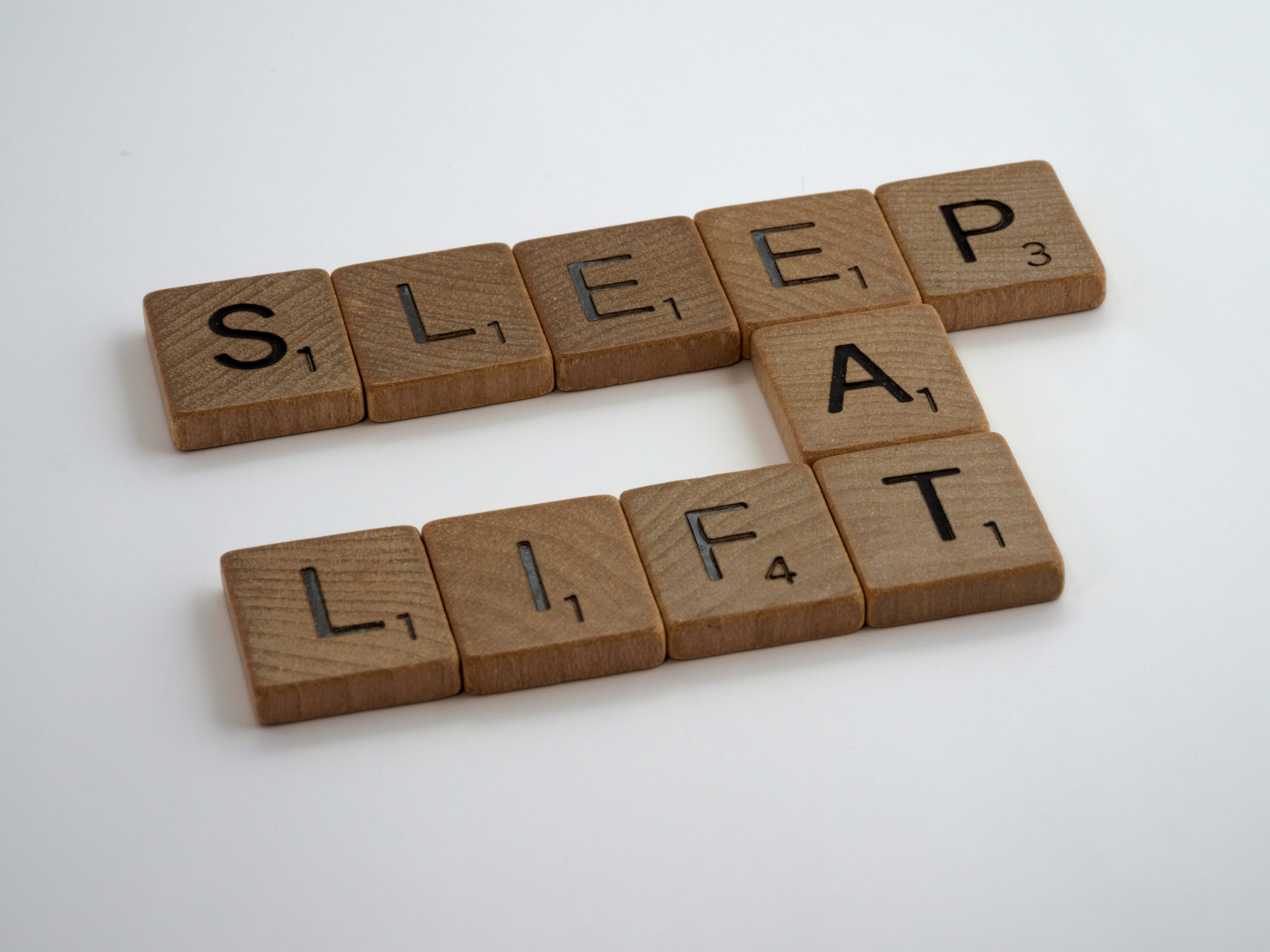
Transform this cycle with straightforward, sustainable changes. No grueling workouts or fad diets needed. Prioritize three pillars: daily movement, sleep optimization, and stress reduction. These healthy lifestyle habits deliver sustained energy, sharper focus, better mood, and lasting balance—tailored for real lives.
Emerging 2026 wellness trends emphasize gentle daily movement, like short outdoor walks, which boost mood, support heart health, and enhance sleep quality. A University of Texas study found daily exercise trumps weekend binges for restorative rest, proving consistency wins UTexas study.
Sleep reigns supreme for stress regulation. UCLA Health advises 7-9 hours nightly with consistent schedules, cool dark rooms, and no screens before bed to foster calm UCLA tips. Add twice-weekly strength training for muscle preservation and metabolic benefits, as recommended by experts Confluent Health.
Incorporate breathing for nervous system regulation and mindfulness to cut info overload. These practices compound quickly. Expect vibrant mornings, resilient days, and peaceful nights. Sustainable health habits like these make thriving accessible, not aspirational.
Incorporate Daily Movement: Gentle Steps to Boost Energy and Mood
Daily movement forms a cornerstone of healthy lifestyle habits, delivering quick energy boosts and mood lifts without gym intimidation. Forget intense sessions; focus on sustainable integration that enhances sleep, heart health, and stress relief. 2026 wellness trends highlight gentle daily movement as key to nervous system regulation and longevity.
A University of Texas study confirms daily activity outperforms weekend warriors for better sleep, with consistent steps improving rest quality significantly UT study. Aim for 5,000-8,000 steps daily to reduce health risks and elevate mood, per large-scale research.
Build your daily movement routine with these actionable steps:
- Morning walk: 10-15 minutes outdoors upon waking. Natural light regulates circadian rhythms, combating fatigue and supporting sleep optimization.
- Strength training for beginners: Twice weekly, 20 minutes using bodyweight or light weights. Squats, push-ups, and planks preserve muscle, boost metabolism, and protect joints Confluent Health.
- Midday stretch break: 5 minutes of gentle yoga or mobility work to release tension and maintain focus.
- Evening stroll: Post-dinner walk aids digestion, lowers stress, and primes recovery.
Outdoor time amplifies benefits, linking to lower stress and improved mental health UCLA tips. These healthy lifestyle habits prevent burnout, fostering resilience. Track progress with a pedometer; small consistencies yield vibrant energy and balanced moods in weeks.
Master Sleep Optimization and Stress Reduction for Recovery and Calm
Sleep optimization elevates healthy lifestyle habits, fostering deep recovery and inner calm. Target 7-9 hours nightly with consistent schedules. Go to bed and wake at fixed times daily, including weekends, to sync circadian rhythms. Morning light exposure within an hour of rising anchors this cycle The Sleep People.
Tweak your environment for peak rest. Maintain 60-66°F (16-19°C), use blackout curtains for total darkness, and opt for white noise over silence. Select a medium-firm mattress and position-matched pillow to ensure spinal alignment and minimize wake-ups The Sleep People.
Build a one-hour wind-down: Dim lights, take a warm shower to drop core temperature, read physically, or stretch gently. Skip screens, caffeine after 2 p.m., alcohol, and heavy meals three hours pre-bed. These better sleep tips counter common pitfalls like overstimulation UCLA Health.
Layer stress reduction techniques for nervous system regulation. Practice 4-7-8 breathing: Inhale four counts, hold seven, exhale eight—repeat four times to shift to parasympathetic mode Outside Online. Daily anchors like mindful coffee sipping or short play reduce info overload and build resilience UCLA Health.
Troubleshoot effectively:
- Racing thoughts: Brain dump into a bedside notebook.
- Frequent wake-ups: Cut evening fluids; check mattress age.
- Groggy mornings: Track sleep diary for patterns; adjust light exposure.
2026 wellness trends emphasize these for neurowellness. Integrate with daily movement routine: Evening walks enhance both. These sustainable health habits create a well-rounded lifestyle, yielding refreshed energy and steady calm.
Sources
- https://www.outsideonline.com/health/wellness/health-and-wellness-trends-2026/
- https://www.uclahealth.org/news/article/nine-mental-health-tips-happier-2026
- https://surgery.wustl.edu/healthy-lifestyle-habits-for-2026/
- https://www.commonspirit.org/news-articles/healthy-habits-for-2026
- https://www.uphealthsystem.com/news/2026/01/19/healthy-habits-to-start-in-2026-for-better-overall-health
- https://confluenthealth.com/resources/5-health-habits-worth-building-this-year/
- https://woodstockvitamins.com/blog/2026-lifestyle-adjustments/
- https://claudiaaharrington.substack.com/p/healthy-habits-i-will-be-carrying
- https://www.thesleeppeople.co.uk/blogs/sleep-health-wellness/7-science-backed-tips-for-better-sleep-quality-in-2025
- https://news.utexas.edu/2025/07/14/daily-exercise-may-be-key-to-better-sleep-new-study-finds/