![[FITX Magazine] Logo](https://fitxmagazine.com/wp-content/uploads/2024/07/FITX-Magazine-Logo-White.png)

Achieving long-term fitness goals doesn’t happen overnight. Building a sustainable fitness routine is the key to seeing real results while avoiding burnout, injury, or loss of motivation. Many people start strong, only to find themselves losing interest or failing to stick with a plan that supports their long-term health. A well-designed fitness routine not only keeps you consistent but ensures that you’re progressing safely and efficiently. In this ultimate guide, we’ll walk you through how to create a sustainable fitness routine that you can maintain for life.
Why You Need a Sustainable Fitness Routine
A fitness routine that’s sustainable is one you can keep up with for the long term. Temporary, overly restrictive plans may bring quick results, but they’re rarely maintainable. A sustainable routine means incorporating a balanced approach to exercise, nutrition, and recovery to improve your overall well-being.
Avoiding burnout and injuries
Many people make the mistake of jumping into intense workouts too quickly, leading to burnout and injuries. A sustainable routine avoids this by starting at your current fitness level and gradually increasing intensity. This approach ensures you stay motivated and enjoy the process, avoiding overexertion.
Creating Balance for Long-Term Success
A sustainable fitness plan balances strength training, cardio, flexibility, and recovery. This prevents overworking certain muscle groups and keeps workouts engaging. Mixing up different types of exercises ensures that you’re challenging your body while giving it time to recover.
Setting realistic fitness goals
Before diving into any fitness routine, it’s crucial to set realistic goals. These should be specific, measurable, attainable, relevant, and time-bound (SMART goals). Avoid setting vague objectives like “lose weight” or “get fit.” Instead, create clear goals such as “lose 10 pounds in three months” or “run a 5K in eight weeks.”
H3: Short-Term vs. Long-Term Goals
Short-term goals keep you motivated by showing progress, while long-term goals provide direction. For example, if your long-term goal is to build muscle, your short-term goal might involve increasing your strength through specific exercises or completing a workout plan within a certain timeframe.
How to Track Progress
Tracking your progress is crucial for staying motivated. Use a fitness journal, apps, or even simple notes to monitor changes in strength, endurance, and body composition. Celebrate milestones along the way to keep your momentum going.
Designing a Well-Rounded Workout Plan
A well-rounded workout routine includes a variety of exercises that target different aspects of fitness: strength, endurance, flexibility, and cardiovascular health. One type of exercise can cause imbalances and slow progress.
Strength Training for Muscle Building
Strength training is essential for building muscle, boosting metabolism, and improving overall body composition. Incorporate exercises like squats, lunges, deadlifts, push-ups, and rows into your routine. Aim to target all major muscle groups at least twice a week for balanced development.
Cardiovascular Training for Endurance
Cardio exercises, such as running, cycling, or swimming, improve heart health and endurance. These activities help burn calories, improve lung capacity, and keep your heart strong. Aim for at least 150 minutes of moderate cardio or 75 minutes of vigorous cardio each week.
Flexibility and Mobility for Injury Prevention
Often overlooked, stretching and mobility exercises play a crucial role in preventing injuries and maintaining good posture. Yoga, dynamic stretching, and foam rolling help improve flexibility and reduce muscle tension. Include these elements in your routine at least 2–3 times per week.
The Importance of Rest and Recovery
While it’s tempting to push yourself every day, recovery is just as important as exercise. Your muscles need time to repair and grow stronger, which happens during rest periods.
Active vs. Passive Recovery
Active recovery includes light activities such as walking, yoga, or swimming that help your muscles stay loose without adding strain. Passive recovery, like getting enough sleep and taking rest days, is equally important for preventing burnout and muscle fatigue.
How to Incorporate Recovery into Your Routine
Schedule at least one rest day per week where you allow your body to fully recover. Listen to your body—if you’re feeling unusually sore or tired, it’s a sign you need more recovery time.
Nutrition: Fuelling Your Fitness Journey
Fitness isn’t just about working out; nutrition plays a huge role in your success. Without proper nutrition, your body won’t have the energy to perform or recover properly.
Macronutrients: Protein, Carbs, and Fats
Understanding the role of macronutrients—proteins, carbohydrates, and fats—is key to supporting your fitness goals. Protein aids in muscle recovery, carbs provide energy, and fats are essential for hormone production and cell health. Ensure you’re consuming the right balance for your activity level and goals.
H4: Staying Hydrated
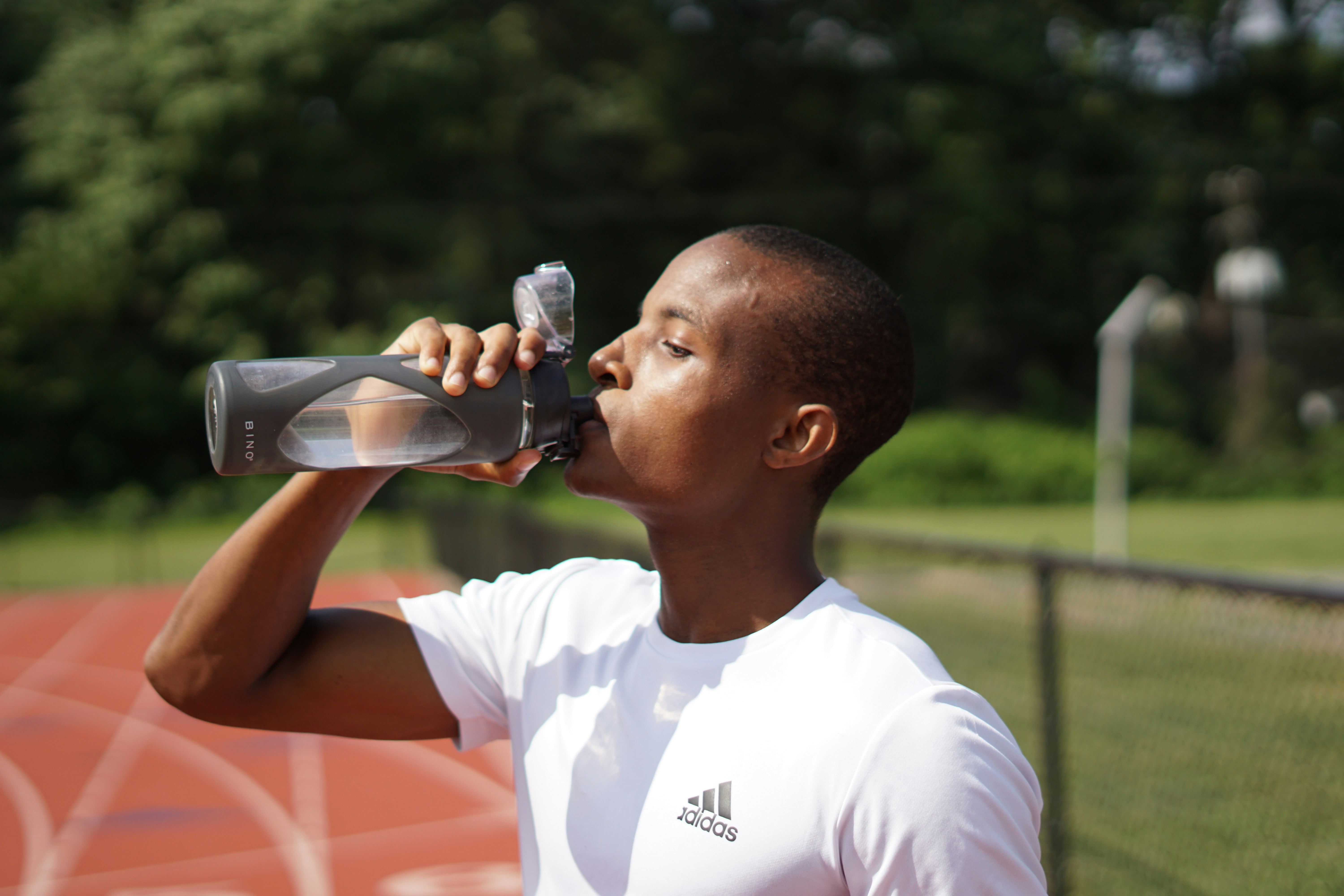
People often overlook the importance of hydration in maintaining energy levels, muscle function, and overall health. Aim to drink at least 8 cups (about 2 liters) of water daily, and more if you’re engaged in strenuous activities.
Staying Motivated: How to Keep Going
Building a fitness routine is one thing; staying motivated long-term is another challenge. Motivation can dip, but there are strategies to keep pushing through.
Mixing Up Your Workouts
Doing the same routine every day can quickly become monotonous. Switch up your workouts by trying new exercises, changing the intensity, or joining a fitness class. This keeps things fresh and prevents workout fatigue.
H4: Accountability and Support
Having a workout buddy or joining a fitness community can help keep you accountable. Sharing your goals and progress with others adds a layer of motivation and makes the journey more enjoyable.
Common Mistakes to Avoid
Starting a new fitness routine is exciting, but it’s simple to make mistakes that can hinder your progress. Avoid common pitfalls to ensure long-term success.
Overtraining Without Adequate Rest
Pushing yourself too hard or too soon can lead to injuries, fatigue, and burnout. Rest days are critical for muscle recovery and overall performance improvement. Overtraining is one of the quickest ways to derail your fitness journey.
H4: Ignoring Nutrition
You can’t out-exercise a harmful diet. Focusing solely on workouts while neglecting nutrition will limit your results. Make sure your food intake supports your fitness goals, whether it’s muscle gain, fat loss, or overall health.
Conclusion: Building a Sustainable Fitness Routine for Life
Creating a sustainable fitness routine is all about balance. By setting realistic goals, diversifying your workouts, incorporating proper nutrition, and allowing adequate recovery, you’re setting yourself up for long-term success. Fitness isn’t a short-term goal but a lifelong commitment to your health and well-being. Stay patient, enjoy the process, and remember that consistency is key.
FAQs
How many days a week should I work out?
For a well-rounded fitness routine, aim for 3-5 days a week, incorporating strength, cardio, and flexibility training. Make sure to include rest days for recovery.
What’s more important—diet or exercise?
Both are crucial. Exercise helps build strength and endurance, while diet fuels your body and supports your fitness goals. You need a combination of both for long-term results.
How do I stay motivated when I don’t see results right away?
Results take time. Focus on small victories like improving your strength or stamina. Tracking your progress and celebrating these milestones will keep you motivated.
Can I still build muscle while doing cardio?
Yes, but balance is key. Incorporating strength training into your routine will help you build muscle, while cardio improves cardiovascular health. Doing both in moderation leads to a balanced physique.
How long does it take to see results from a fitness routine?
Results vary depending on your goals and consistency. You may notice physical changes in 4-8 weeks on average, but you can feel the mental and emotional benefits much sooner.