![[FITX Magazine] Logo](https://fitxmagazine.com/wp-content/uploads/2024/07/FITX-Magazine-Logo-White.png)

Introduction
Sports nutrition is a critical component of an athlete’s overall training regimen. It goes beyond just eating healthy; it’s about consuming the right foods at the right times to maximize performance, recovery, and overall well-being. In this comprehensive guide, we will cover everything you need to know about sports nutrition, from the basics of macronutrients and micronutrients to advanced strategies for optimizing performance.
Understanding the Basics of Sports Nutrition
Macronutrients: Fuel for Performance

Carbohydrates
Carbohydrates are the primary source of energy for athletes. They are stored in the muscles and liver as glycogen, which is converted into glucose during exercise to fuel physical activity. It’s essential to consume sufficient carbohydrates to maintain glycogen stores, especially before and after intense workouts.
- Complex Carbohydrates: Found in whole grains, legumes, and vegetables, these provide a slow and steady release of energy, ideal for prolonged activities.
- Simple Carbohydrates: Present in fruits and dairy products, these offer quick energy, useful during and immediately after exercise.
Proteins
Proteins are essential for muscle repair and growth. They play a crucial role in recovery post-exercise and are vital for maintaining muscle mass. Athletes should aim for 1.2 to 2.0 grams of protein per kilogram of body weight per day, depending on the intensity of their training.
- Complete Proteins: Sources such as meat, fish, eggs, and dairy contain all essential amino acids needed by the body.
- Incomplete Proteins: Plant-based sources like beans, nuts, and grains can also contribute to protein needs but may require a combination to ensure a complete amino acid profile.
Fats
Fats are a dense source of energy and are essential for hormone production, nutrient absorption, and cellular health. For athletes, incorporating healthy fats can sustain long-term energy levels and support overall well-being.
- Healthy Fats: Include avocados, nuts, seeds, and olive oil in your diet.
- Saturated and Trans Fats: Minimize intake of these fats found in fried foods, baked goods, and processed snacks as they can negatively impact health and performance.
Micronutrients: The Unsung Heroes
Vitamins
Vitamins are organic compounds critical for various bodily functions, including energy production, immune function, and bone health. Athletes need to pay particular attention to vitamins such as:
- Vitamin D: Important for bone health and muscle function. It can be obtained from sunlight, fatty fish, and fortified foods.
- Vitamin C: Essential for tissue repair and enzymatic production of certain neurotransmitters. Citrus fruits, strawberries, and bell peppers are excellent sources.
- B-Vitamins: These play a role in energy production and red blood cell formation. Whole grains, meat, eggs, and dairy products are good sources.
Minerals
Minerals like calcium, iron, and magnesium are vital for athletes. They support muscle contraction, oxygen transport, and energy production.
- Calcium: Crucial for bone health and muscle function. Dairy products, leafy greens, and fortified plant milks are excellent sources.
- Iron: Necessary for oxygen transport in the blood. Red meat, beans, and fortified cereals can help maintain adequate iron levels.
- Magnesium: Involved in muscle contraction and relaxation. Nuts, seeds, and green leafy vegetables are good sources.
Hydration: A Key to Optimal Performance
Importance of Hydration
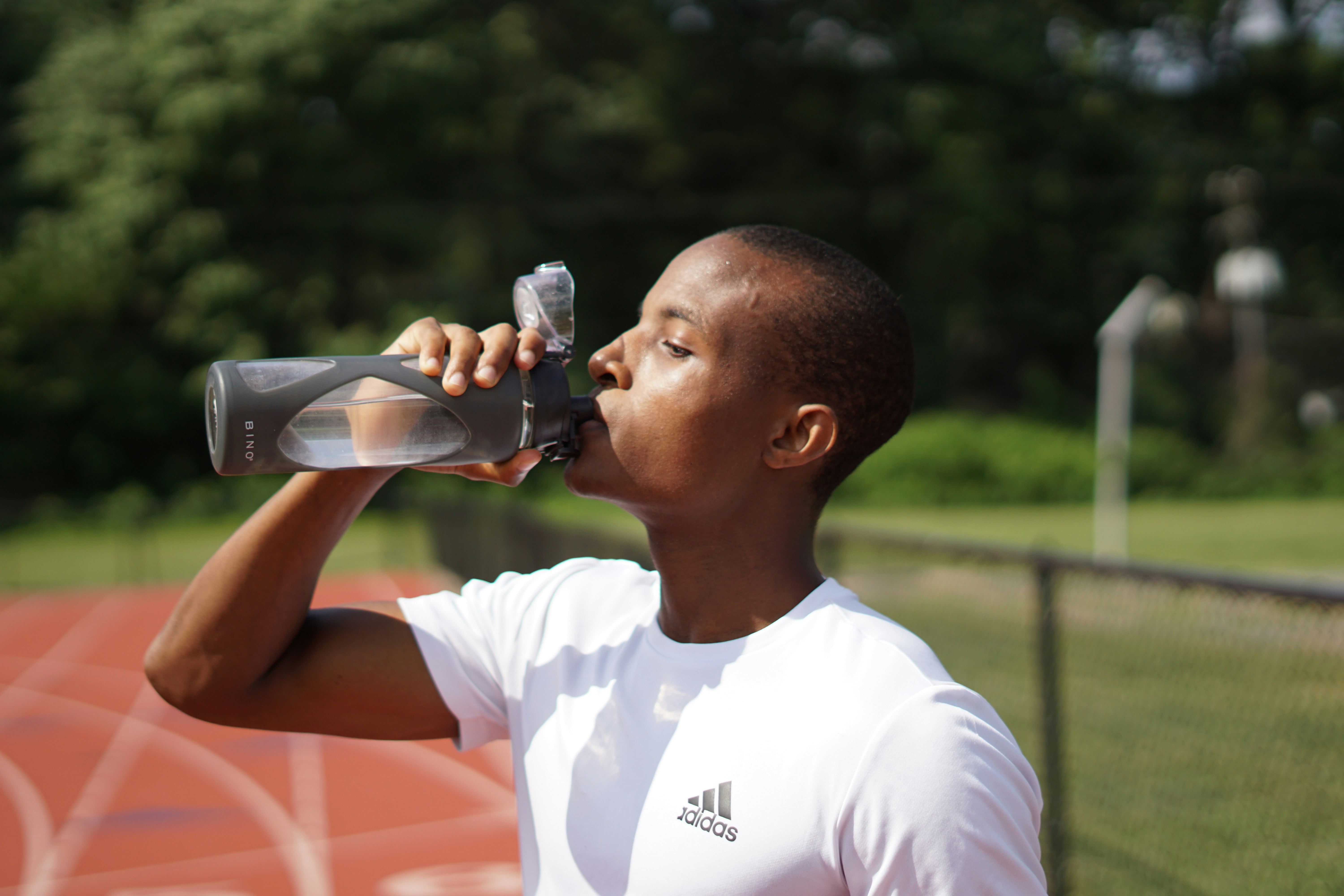
Staying hydrated is essential for maintaining performance and preventing injuries. Dehydration can lead to fatigue, muscle cramps, and decreased coordination. Athletes need to ensure they are adequately hydrated before, during, and after exercise.
- Before Exercise: Drink at least 500 ml of water two hours before exercising.
- During Exercise: Consume 150-250 ml of water every 15-20 minutes during exercise.
- After Exercise: Rehydrate with 1.5 times the amount of weight lost during exercise. If you lost 1 kg, drink 1.5 liters of water.
Electrolytes and Sports Drinks
During intense and prolonged physical activity, the body loses electrolytes through sweat. Replenishing these electrolytes is crucial for maintaining fluid balance and preventing cramping.
- Electrolyte Sources: Sodium, potassium, calcium, and magnesium are the primary electrolytes lost in sweat. Sports drinks, coconut water, and electrolyte tablets can help replenish these.
- DIY Sports Drink: Mix water, a pinch of salt, and a splash of fruit juice for a homemade electrolyte solution.
Timing and Meal Planning for Athletes
Pre-Workout Nutrition
Eating before a workout provides the energy needed for optimal performance. The focus should be on easily digestible carbohydrates and a small amount of protein.
- 2-3 Hours Before: A balanced meal containing carbohydrates, protein, and fats. Examples include a turkey sandwich on whole-grain bread or a bowl of oatmeal with fruit and nuts.
- 30-60 Minutes Before A small snack that is high in carbohydrates and low in fat and fiber to avoid digestive issues. Examples include a banana or a granola bar.
During Workout Nutrition
For workouts lasting longer than an hour, consuming carbohydrates during exercise can help maintain energy levels.
- Carbohydrate Sources: Energy gels, sports drinks, and bananas are easy to digest and can provide quick energy.
Post-Workout Nutrition
Recovery is a critical aspect of sports performance. Consuming a combination of carbohydrates and protein within 30 minutes after exercise can help replenish glycogen stores and repair muscles.
- Post-Workout Snack: Chocolate milk, a protein shake with fruit, or a sandwich with lean protein can be effective recovery foods.
Special Considerations for Different Types of Sports
Endurance Sports
Endurance athletes, such as marathon runners and cyclists, require a diet high in carbohydrates to maintain energy levels over prolonged periods.
- Carbohydrate Loading: Increasing carbohydrate intake in the days leading up to a long-distance event can maximize glycogen stores.
- In-Race Nutrition: Consuming small amounts of carbohydrates at regular intervals during the event helps sustain energy levels.
Strength Sports
Strength athletes, such as weightlifters and bodybuilders, need a diet that supports muscle growth and repair.
- Protein Intake: Aim for the higher end of the recommended protein intake range to support muscle hypertrophy.
- Nutrient Timing: Consuming protein and carbohydrates immediately after training can enhance muscle recovery and growth.
Team Sports
Athletes involved in team sports like soccer, basketball, and rugby require a balanced diet to support both endurance and strength.
- Balanced Meals: Incorporate a variety of macronutrients in each meal to meet the diverse demands of the sport.
- Hydration Strategies: Team sports often involve intense bursts of activity, making proper hydration crucial for maintaining performance.
Supplements and Ergogenic Aids
Protein Supplements
Protein supplements, such as whey protein and plant-based protein powders, can be convenient for athletes needing to increase their protein intake.
- Whey Protein: A fast-digesting protein that is effective post-workout.
- Plant-Based Protein: Suitable for those with dietary restrictions or preferences.
Creatine
Creatine is one of the most researched and effective supplements for enhancing strength and power. It helps in increasing muscle mass and improving performance in high-intensity activities.
Caffeine
Caffeine is a well-known ergogenic aid that can improve endurance and reduce perceived effort during exercise.
- Sources: Coffee, tea, and pre-workout supplements.
- Timing: Consuming caffeine about 30-60 minutes before exercise can enhance performance.
Beta-Alanine
Beta-alanine can help buffer acid in muscles, improving performance in high-intensity exercise lasting 1-4 minutes.
Conclusion
Good nutrition is a cornerstone of sports performance. Athletes need to focus on a balanced intake of macronutrients, sufficient hydration, and proper timing of meals to optimize their performance. Additionally, considering the specific nutritional needs based on the type of sport and individual requirements is essential for achieving peak performance. By understanding and implementing these nutritional strategies, athletes can enhance their performance, speed up recovery, and maintain overall health.
FAQs
- What is the role of carbohydrates in sports nutrition?
Carbohydrates are the primary energy source for athletes, crucial for maintaining glycogen stores and providing quick energy during exercise. - How much protein should an athlete consume daily?
The recommended protein intake for athletes varies but generally falls between 1.2 to 2.0 grams per kilogram of body weight per day. - Why is hydration important for athletes?
Proper hydration prevents fatigue, muscle cramps, and decreased coordination, helping to maintain optimal performance. - What are good sources of healthy fats for athletes?
Avocados, nuts, seeds, and olive oil are excellent sources of healthy fats. - How can athletes ensure they get enough vitamins and minerals?
A varied diet rich in fruits, vegetables, whole grains, and lean proteins can help athletes meet their micronutrient needs. - What should athletes eat before a workout?
A balanced meal 2-3 hours before exercise and a small, high-carbohydrate snack 30-60 minutes prior can provide the necessary energy. - What are the benefits of protein supplements for athletes?
Protein supplements can help increase protein intake conveniently, aiding in muscle repair and growth. - How does caffeine improve sports performance?
Caffeine can enhance endurance and reduce perceived effort, making it a popular ergogenic aid. - What is carbohydrate loading, and who should do it?
Carbohydrate loading involves increasing carbohydrate intake before an endurance event to maximize glycogen stores, beneficial for long-distance athletes. - What are the best post-workout foods for recovery?
Foods combining carbohydrates and protein, such as chocolate milk or a protein shake with fruit, are ideal for post-workout recovery.