![[FITX Magazine] Logo](https://fitxmagazine.com/wp-content/uploads/2024/07/FITX-Magazine-Logo-White.png)

Athletes often face stalled performance and slow recovery despite consistent training. The key to breaking through lies in targeted pre and post workout nutrition for athletes. This approach ensures muscles receive the right fuel when they need it most.
Pre workout fueling strategies involve consuming carbohydrates and moderate protein 1-3 hours before sessions. This maintains energy levels and minimizes muscle breakdown during intense efforts. For bodybuilders and endurance competitors, timing carbs and protein for workouts maximizes glycogen stores and supports sustained power output.
After exercise, post workout recovery nutrition becomes critical. Pairing proteins with fast-digesting carbs within 30-60 minutes accelerates muscle repair and glycogen replenishment. Studies confirm this window reduces soreness and speeds adaptation.
Hydration strategies for athletes play an equally vital role. Electrolyte balance endurance training prevents dehydration that impairs brain function, heart rate, and muscle contractions.
Supplements for peak performance such as creatine and beta alanine for athletes can further enhance strength and delay fatigue, backed by systematic reviews.
Implementing these pre and post workout nutrition for athletes principles leads to higher energy, faster recovery, and measurable progress. Focus on whole foods first, then layer in tested supplements only after establishing solid basics. Evidence from sports science highlights how consistent application supports both endurance and strength goals. Athletes who prioritize nutrient timing report better focus during long sessions and quicker bounce-back between training days. Body composition improvements also emerge when hydration and macro balance are optimized, as shown in studies on elite competitors. The combination creates sustainable results that compound over months of dedicated training.
Carbs, Protein, and Fats: The Core Macros That Fuel Training
Carbohydrates act as the body’s preferred energy source during intense exercise. They fill muscle and liver glycogen stores that fuel both strength lifts and long endurance efforts. Most athletes perform best with 5 to 10 grams of carbohydrates per kilogram of body weight each day depending on training volume. Pre workout fueling strategies often include 40 to 60 grams in the hours before sessions to maintain blood glucose levels.
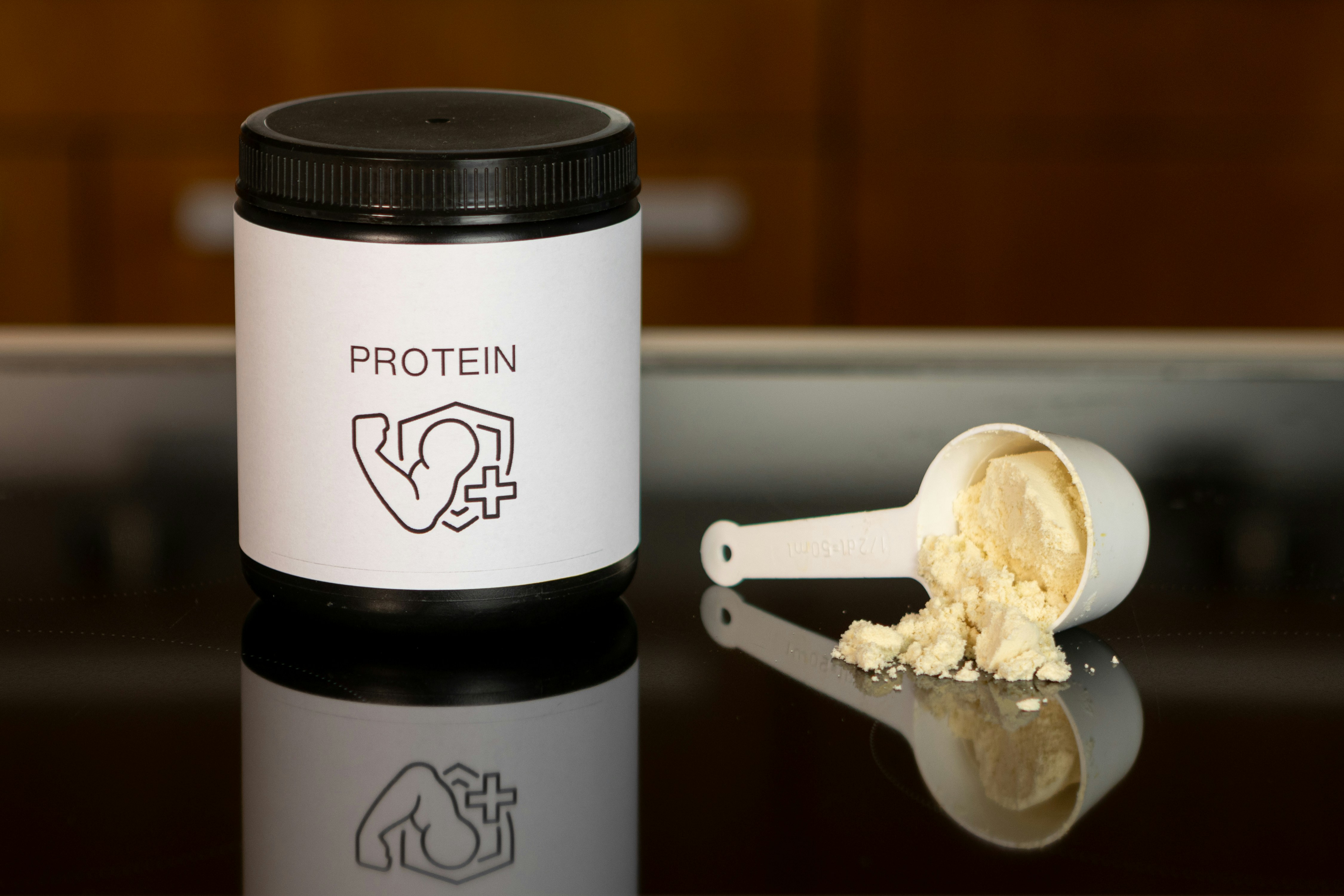
Protein drives muscle protein synthesis and recovery after damage from training. Daily targets sit between 1.6 and 2.2 grams per kilogram of body weight. Including 20 to 30 grams within one hour after workouts speeds repair when combined with carbohydrates. This timing within pre and post workout nutrition for athletes reduces soreness and supports consistent progress across multiple sessions.
Fats supply energy for moderate efforts and aid hormone production. Keep them at 0.5 to 1 gram per kilogram daily, avoiding high amounts immediately before or after training to prevent slow digestion. Balance these macros so carbohydrates dominate 50 percent or more of total calories.
Evidence shows these ratios improve performance metrics when applied consistently. Bodybuilders and endurance competitors adjust proportions based on phase and sport demands while maintaining overall energy balance. Pairing solid macro timing with hydration strategies for athletes creates comprehensive support for peak physical output. Athletes who track these numbers report better endurance and strength gains over time. Adjusting intake for individual sweat rates and recovery needs further refines results without overcomplicating daily routines.
Pre-Workout Fueling Timing Strategies That Deliver Quick Energy
Timing carbs and protein for workouts supports sustained energy without digestive discomfort. Pre and post workout nutrition for athletes emphasizes strategic windows that align with session intensity and duration.
Eat a full meal containing 50-80 grams of complex carbohydrates and 20-30 grams of protein 3-4 hours before training. Oatmeal topped with fruit and Greek yogurt or brown rice with grilled chicken works well and digests comfortably.
Two hours prior, shift to a smaller option delivering 30-40 grams of carbs paired with 10-15 grams of protein. A banana with peanut butter or a slice of toast and eggs provides quick fuel.
One hour out, choose easily digested items such as 1-2 rice cakes with honey or a small fruit smoothie. Limit fat and fiber to avoid sluggishness.
Fifteen to thirty minutes before the start, a simple 15-25 gram carb source like a sports gel or dates maintains blood glucose during warm-up.
These pre workout fueling strategies reduce early fatigue in strength and endurance sessions. Adjust portions based on body weight and sport demands while monitoring personal tolerance. Pairing solid timing with hydration strategies for athletes further stabilizes performance during longer efforts. Athletes who follow these windows consistently report stronger workouts and improved adaptation over time.
Sources
- https://mywowfit.com/blog/pre-and-post-workout-nutrition-guide
- https://nxtlevel.fitness/pre-workout-nutrition-strategies
- https://nutritionhealthworks.com/nutrition-blog/pre-and-post-workout-nutrition
- https://www.glcymca.org/fueling-performance-your-guide-to-pre-and-post-workout-nutrition
- https://www.gssiweb.org/sports-science-exchange/article/new-ideas-about-hydration-and-its-impact-on-the-athlete-s-brain-heart-and-muscles
- https://pmc.ncbi.nlm.nih.gov/articles/PMC12655799
- https://www.mdpi.com/2072-6643/17/9/1554
- https://www.sundried.com/blogs/nutrition/nutrition-and-supplements-for-peak-fitness
- https://pmc.ncbi.nlm.nih.gov/articles/PMC12498230
- https://nduranz.com/pages/hydration-guide