![[FITX Magazine] Logo](https://fitxmagazine.com/wp-content/uploads/2024/07/FITX-Magazine-Logo-White.png)

The landscape of fitness is evolving at a breakneck pace, and the fuel that drives it—your nutrition—is undergoing a revolutionary transformation. Gone are the days of one-size-fits-all macro counting and simplistic “clean eating” dogma. To truly level up your fitness in the coming year, you must embrace a more sophisticated, personalized, and data-informed approach to eating. Nutrition for performance is no longer just about what you eat, but when, why, and how it interacts with your unique biology. This comprehensive guide delves into the proven, forward-thinking strategies that will define elite fitness in 2026, moving beyond bro-science to deliver actionable protocols for explosive energy, rapid recovery, and sustainable results.
The 2026 Mindset: From Dieting to Strategic Fueling
The fundamental shift is a move away from viewing food through a lens of restriction and toward seeing it as strategic fuel. Every meal is an opportunity to optimize bodily processes: to reduce inflammation, enhance mitochondrial function, support neural signaling, and prime hormonal responses. In 2026, performance nutrition is integrated, anticipating your body’s needs before, during, and after the demands you place on it. It’s about congruence—aligning your intake perfectly with your training schedule, sleep quality, and stress levels to create a seamless cycle of energy and repair.
Pillar 1: Precision Personalization & Bio-Individuality
The most significant advancement is the move toward truly personalized nutrition. What works for your training partner may actively hinder your progress.
- Strategy: Implement Nutrigenomic & Biomarker Insights. While full genetic testing (like DNAfit) can reveal predispositions to inflammation, caffeine metabolism, and nutrient absorption, more immediate gains come from basic biomarker testing. A simple blood test can identify deficiencies in Vitamin D, B12, iron, or magnesium—common culprits for low energy and poor recovery. Addressing these creates an immediate performance boost.
- Actionable Step for 2026: Get an annual comprehensive blood panel. Track how different foods affect your energy, digestion, and sleep in a journal or app. Stop blindly following diets; become a student of your own body’s responses.
Pillar 2: The Gut-Performance Axis
Emerging research solidifies the gut as the command center for performance. A diverse, healthy gut microbiome doesn’t just aid digestion; it modulates systemic inflammation, produces mood-influencing neurotransmitters, and even affects muscular endurance.
- Strategy: Proactive Microbiome Hacking. This goes beyond just taking a probiotic. It’s a layered approach:
- Prebiotic Diversity: Consume 30+ different plant-based foods weekly (fruits, vegetables, nuts, seeds, legumes, whole grains) to feed beneficial bacteria.
- Fermented Foods: Include 1-2 daily servings of kefir, kimchi, sauerkraut, or kombucha.
- Postbiotic Focus: Understand that the byproducts of bacterial fermentation (postbiotics) are key. A fiber-rich diet ensures your good bacteria produce beneficial compounds like butyrate, which strengthens the gut lining and reduces inflammation.
- Actionable Step for 2026: Conduct a “plant-point” challenge. Aim for 10 different plants per day. Your recovery and energy levels will thank you.
Pillar 3: Nutrient Timing & Periodized Nutrition
When you eat is becoming as strategically important as what you eat, especially for those training multiple times per day or with specific body composition goals.
- The 2026 Framework: Fuel for the Work Required.
- High-Intensity/Strength Training Days: Higher carbohydrates, moderate protein. Carb-load around the workout (meal before and during/intra-workout if session >75 mins) to replenish glycogen and fuel performance.
- Low-Intensity/Recovery Days: Moderate fat, higher protein, lower carbohydrate. This enhances metabolic flexibility, teaching your body to utilize fat for fuel while providing ample protein for repair.
- Strategic Fasting Windows: Short, timed fasts (14-16 hours) on recovery days can amplify autophagy (cellular cleanup) and insulin sensitivity, but are counterproductive on heavy training days.
Pillar 4: The Recovery Trifecta: Protein, Phytonutrients, and Hydration
Post-workout nutrition in 2026 is about more than just a protein shake. It’s a targeted recovery protocol.
| Component | 2026 Protocol | Why It Works |
|---|---|---|
| Protein | Rapid Delivery: 25-40g of high-quality, rapidly digested protein (whey, hydrolyzed collagen) within 45 minutes post-exercise. Evening Dose: Casein or cottage cheese before bed for sustained amino acid release during sleep. | Maximizes Muscle Protein Synthesis (MPS), the process of repairing and building new muscle tissue. |
| Phytonutrients | Anti-Inflammatory Focus: Consume berries, tart cherry juice, beets, turmeric, and leafy greens post-workout. | Combats exercise-induced oxidative stress and inflammation, speeding overall recovery and reducing soreness. |
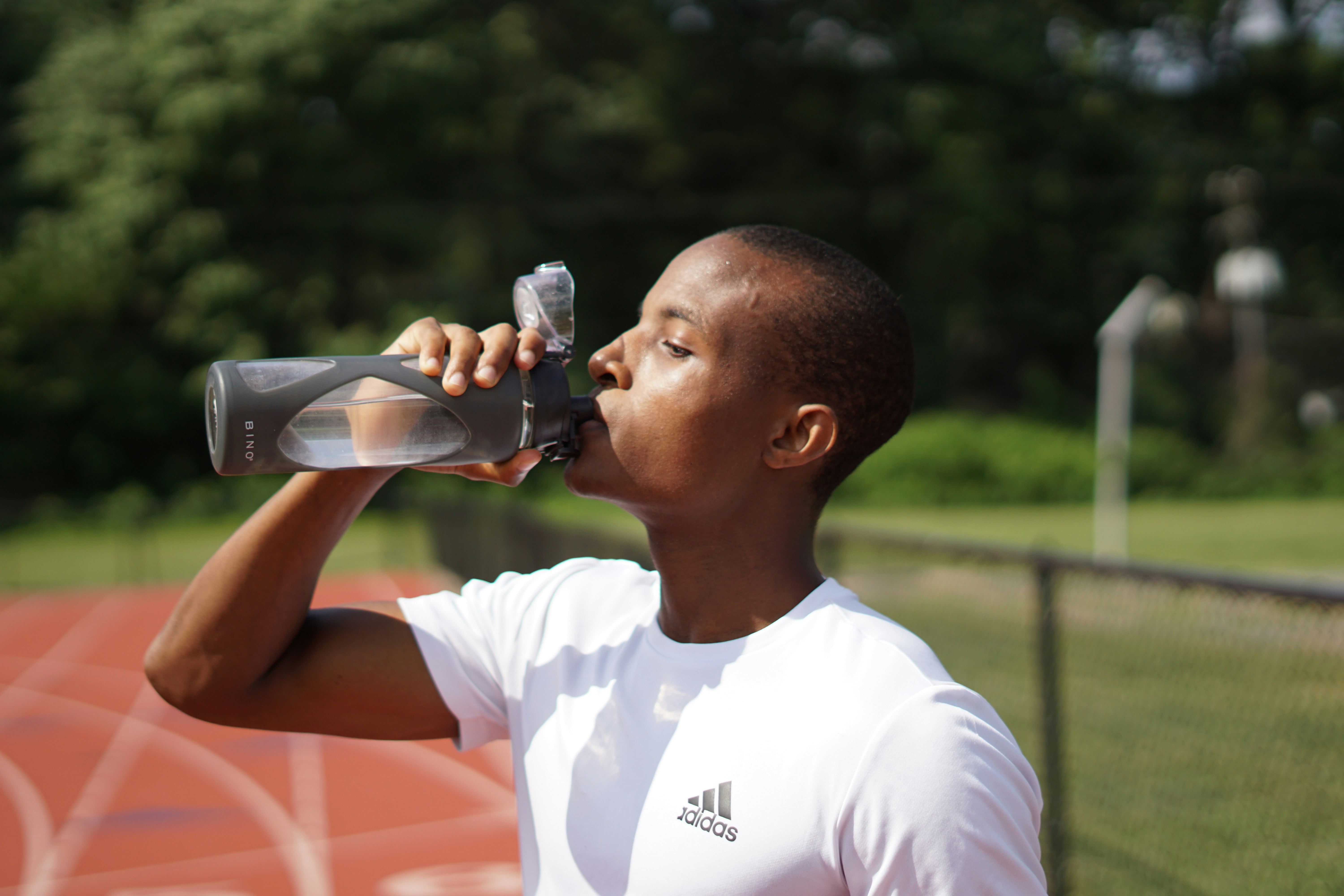
| Hydration | Electrolyte-Replenishment: Post-sweat sessions, hydrate with water containing sodium, potassium, and magnesium. Don’t just chug plain water. | Restores fluid balance, prevents cramping, and ensures optimal cellular function for the next session. |
Pillar 5: Smart Supplementation (The 2026 Shortlist)
Supplements fill gaps; they are not foundations. This is the streamlined, evidence-based stack for the modern athlete.
- Creatine Monohydrate (3-5g daily): The most researched performance supplement. Enhances strength, power, and cognitive function.
- Omega-3s (EPA/DHA): For potent anti-inflammatory support and cognitive health. Dose: 1-2g combined EPA/DHA.
- Electrolytes (Sodium, Potassium, Magnesium): Critical for endurance athletes and those training in heat. Use in training fuel or post-workout.
- Adaptogens (for the stressed athlete): Ashwagandha for cortisol modulation, Rhodiola Rosea for fatigue reduction. Cycle these (8 weeks on, 2-4 weeks off).
Your 2026 Performance Nutrition Action Plan
Week 1-2: Audit & Foundation
- Track food and mood/energy for 7 days.
- Get your bloodwork done.
- Audit your kitchen: stock performance staples (oats, sweet potatoes, lean proteins, frozen berries, leafy greens).
Week 3-4: Implement Personalization
- Based on bloodwork, add 1-2 targeted supplements (e.g., Vitamin D, Magnesium Glycinate).
- Begin the “plant-point” challenge, aiming for 30+ varieties per week.
- Practice post-workout recovery nutrition consistently.
Week 5-8: Master Timing & Periodization
- Structure your carb intake around your training. More carbs on hard days, fewer on easy/recovery days.
- Experiment with a 14-hour fast on a complete rest day.
- Introduce a fermented food daily.
Common Mistakes That Hinder Performance in 2026
- Underfueling for Fear of Gaining Weight: Performance requires energy. Chronic low energy availability leads to hormonal disruption, poor recovery, and injury.
- Neglecting Meal Timing Around Training: Working out fasted without adaptation, or failing to refuel properly after, leaves gains on the table.
- Obsessing Over Purity: The stress of pursuing a “perfect” diet is more harmful than the occasional non-optimized meal. Adhere to the 90/10 rule.
- Drinking Your Calories (Unstrategically): Sugary sports drinks when you’re not exercising, or excessive alcohol, directly impair recovery, sleep, and protein synthesis.
- Ignoring Hydration & Electrolytes: Assuming water is enough. Sweat loses salts; replenish them for optimal nerve and muscle function.
Frequently Asked Questions (FAQs)
1. I have a hard time eating before an early morning workout. What should I do?
If you have less than 60 minutes, opt for a liquid fuel source: a scoop of protein in water, or a easily digestible carb like a banana or applesauce. For fasted training, ensure your previous night’s meal was carb-rich and consider Intra-Workout Essential Amino Acids (EAAs) or a carb-electrolyte drink during the session to prevent muscle breakdown.
2. How important are “anti-nutrients” in foods like beans and spinach?
For the general athlete, they are largely irrelevant. The benefits of phytate-rich legumes and oxalate-containing leafy greens far outweigh any minimal mineral-binding effects, which are mitigated by soaking, cooking, and a balanced overall diet. Don’t avoid these nutrient powerhouses.
3. Can I build muscle on a plant-based diet?
Absolutely. The key is protein combining and total intake. Consume a variety of plant proteins (soy, lentils, chickpeas, quinoa, pumpkin seeds) throughout the day to ensure a complete amino acid profile. You will likely need to eat a larger volume of food to hit protein targets, and may consider a plant-based protein powder supplement.
4. What is the single most impactful change I can make for better performance?
Prioritize sleep and align your eating with it. Stop eating 2-3 hours before bed to improve sleep quality. Sleep is when growth hormone peaks and most repair occurs. No nutrition strategy can compensate for poor sleep.
5. Are continuous glucose monitors (CGMs) useful for athletes?
For elite athletes or those with specific metabolic goals, CGMs can provide fascinating data on individual responses to different carbs and the impact of stress/sleep on blood sugar. For most recreational athletes, they are an expensive tool that may not be necessary. The foundational strategies above will yield 95% of the results.
6. How do I know if I need more carbs?
Signs you may be under-carbed: persistent fatigue, poor workout performance (especially in high-intensity efforts), inability to sleep despite being tired, moodiness, and constant cravings. Try adding 25-50g of clean carbs (rice, oats, fruit) to your daily intake for a week and monitor performance and mood.
Conclusion: Fueling Your Future Self
The frontier of nutrition for performance in 2026 is defined by intelligent personalization, a deep respect for the gut-brain-muscle axis, and strategic timing that turns food into a precision tool. This is not about complication for its own sake, but about working smarter with the profound science of human physiology. By embracing these proven strategies—starting with personal biomarker awareness, diversifying your plant intake, periodizing your fuel, and mastering the recovery window—you equip yourself to not just participate in your fitness journey, but to dominate it.
Begin not with an overhaul, but with a single audit. Listen to your body’s signals, support it with quality food, and time your nutrition to serve your ambitions. Remember, you are not just training your muscles; you are feeding a biological system designed for excellence. Commit to these strategies, and you won’t just level up your fitness in 2026—you’ll redefine what your body is capable of achieving. The next level of performance is on your plate.