![[FITX Magazine] Logo](https://fitxmagazine.com/wp-content/uploads/2024/07/FITX-Magazine-Logo-White.png)

For athletes and sports enthusiasts, nutrition plays a pivotal role in performance, recovery, and overall health. Understanding the specific nutritional needs of sportspeople is crucial for optimizing their physical capabilities and achieving their athletic goals. This comprehensive guide delves into the essential foods and dietary strategies that support athletic performance across various sports disciplines.
The Role of Macronutrients in Sports Nutrition
Carbohydrates: The Primary Energy Source
Carbohydrates are the main fuel source for athletes, especially in high-intensity sports. They are stored in the muscles and liver as glycogen, which is used during physical activity to power muscle contractions.
- Optimal Sources: Whole grains, fruits, vegetables, and legumes.
- Timing: Consuming carbohydrates before and after workouts enhances performance and recovery.
Proteins: Building and Repairing Muscle
Proteins are crucial for muscle repair and growth. They are particularly important for athletes engaged in strength training or sports that cause muscle wear and tear.
- Optimal Sources: Lean meats, fish, dairy, eggs, and plant-based alternatives like tofu and tempeh.
- Timing: Post-workout protein intake is critical for effective muscle recovery.
Fats: Sustained Energy and Vital Functions
While fats are more of a long-term energy source, they are essential for many bodily functions, including hormone production and nutrient absorption.
- Optimal Sources: Nuts, seeds, avocados, and oily fish like salmon.
- Timing: Consistent intake throughout the day supports overall health without impairing performance.
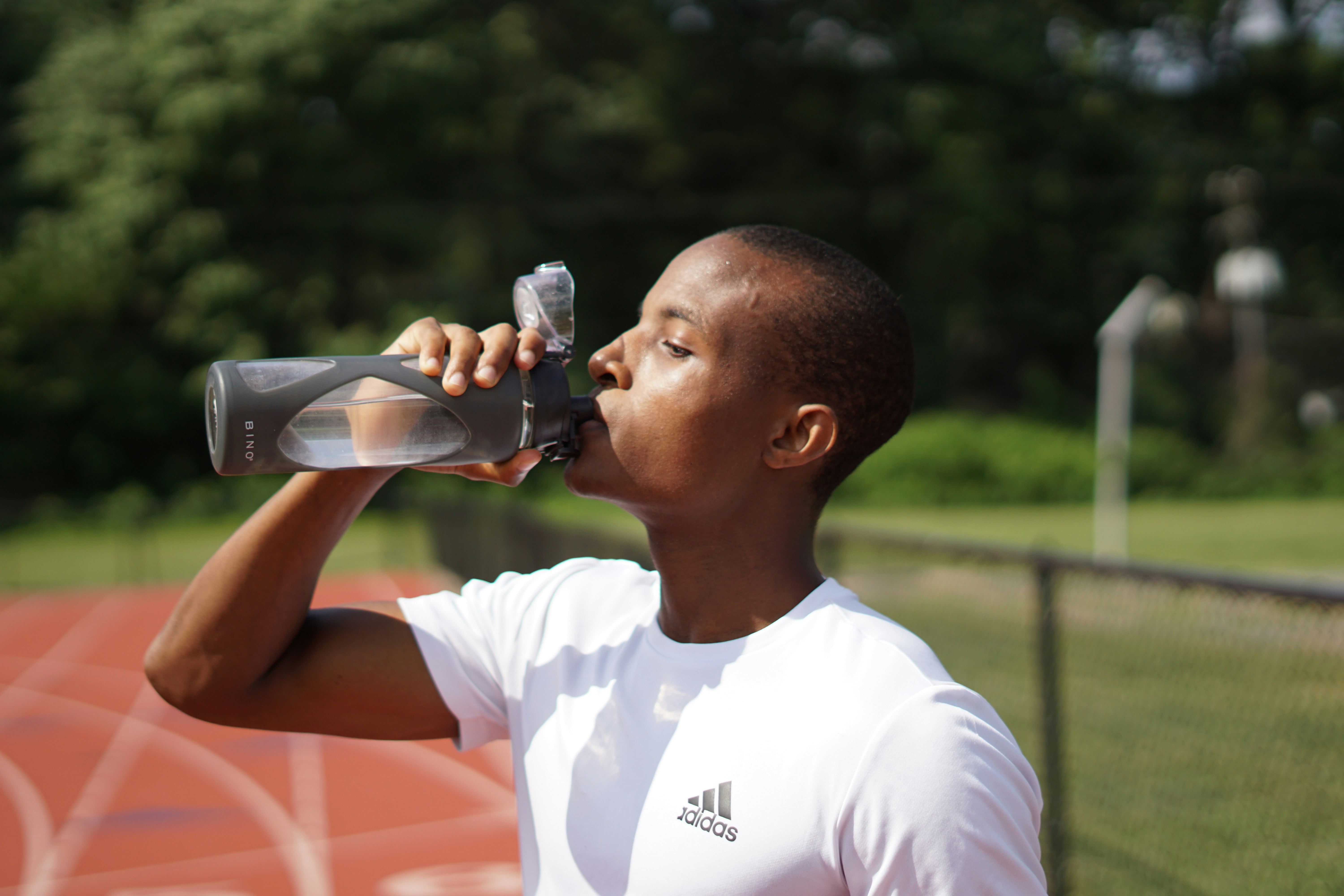
Hydration and Sports Performance
Hydration is as crucial as food intake for athletes. Maintaining optimal hydration levels can significantly impact performance, especially in endurance sports.
- Water: Essential for maintaining blood volume and regulating body temperature.
- Electrolytes: Sodium, potassium, and magnesium help retain fluids and maintain nerve function.
Specialized Diets for Different Sports
Endurance Athletes
Endurance sports require diets high in carbohydrates to maintain glycogen stores. A higher intake of antioxidants from fruits and vegetables can also reduce oxidative stress caused by prolonged activities.
Strength Athletes
Strength-based athletes need higher protein levels to support muscle mass and recovery. Carbohydrates are also important to replenish glycogen stores after intense workouts.
Team Sports Athletes
Athletes in sports like soccer or basketball benefit from a balanced intake of carbohydrates, proteins, and fats due to the varied intensity of their sports.
Pre- and Post-Workout Nutrition
Pre-Workout Meals
A pre-workout meal should be rich in carbohydrates and moderate in protein to fuel the upcoming activity without causing digestive discomfort.
- Example: A banana with a small amount of peanut butter or a bowl of oatmeal with berries.
Post-Workout Recovery
Post-workout meals should contain carbohydrates to replenish glycogen stores and proteins to aid in muscle recovery.
- Example: A protein shake with a piece of fruit or a chicken breast with quinoa and vegetables.
Supplements in Sports Nutrition
While whole foods should always be the priority, certain supplements can benefit sports performance under specific conditions.
- Protein Powders: Convenient for meeting high protein needs.
- Creatine: Enhances power output in strength and sprinting disciplines.
- BCAAs (Branched-Chain Amino Acids): May improve recovery and reduce muscle soreness.
Common Nutritional Challenges for Athletes
Sportspeople often face unique nutritional challenges that can impact their performance and overall health.
- Travel: Maintaining diet quality during travel requires planning and flexibility.
- High Energy Expenditure: Meeting caloric needs without resorting to empty calories can be challenging.
- Dietary Restrictions: Athletes with food allergies or intolerances need well-planned diets to avoid nutrient deficiencies.
Conclusion
For sportspeople, a well-planned nutrition strategy is as important as training itself. By focusing on a diet rich in carbohydrates, proteins, and fats, and by hydrating adequately, athletes can enhance their performance, expedite recovery, and maintain overall health. Remember, individual needs can vary greatly, so it’s beneficial to consult with a sports nutritionist to tailor a diet plan to your specific requirements.
FAQs
- How much protein do athletes need daily? Athletes typically need 1.2 to 2.0 grams of protein per kilogram of body weight, depending on their sport and training intensity.
- Can athletes be vegetarian or vegan? Yes, many athletes thrive on plant-based diets, though careful planning is necessary to meet all nutritional needs.
- What is the best way to hydrate during a long sports event? Drink fluids with electrolytes to replenish both water and minerals lost through sweat.
- How important are timing and frequency of meals for athletes? Very important; consistent nutrient intake throughout the day supports energy levels and recovery.
- Are there any specific vitamins or minerals that athletes should focus on? Iron, calcium, and vitamin D are critical for athletes, especially in endurance sports and female athletes.
- How can athletes manage weight without losing strength? Focus on gradual changes in diet and increase protein intake to support muscle mass.
- What are the best carbohydrate sources for athletes? Whole grains, fruits, vegetables, and legumes are excellent sources.
- Can caffeine benefit athletic performance? Yes, caffeine can enhance endurance and focus, but it should be used judiciously.
- What should athletes eat just before a competition? A light meal or snack rich in carbohydrates and low in fat and fiber can boost energy without causing discomfort.
- How does nutrition impact recovery? Adequate intake of carbohydrates and protein post-exercise is crucial for glycogen replenishment and muscle repair