![[FITX Magazine] Logo](https://fitxmagazine.com/wp-content/uploads/2024/07/FITX-Magazine-Logo-White.png)

Losing weight is challenging, but keeping it off for good can feel like an impossible task. With so many fad diets, quick fixes, and conflicting advice, it’s easy to feel overwhelmed. The truth is, sustainable weight loss isn’t about extreme measures—it’s about building healthy habits, understanding your body, and making long-term lifestyle changes.
In this comprehensive guide, we’ll dive into science-backed strategies, expert tips, and actionable steps to help you lose weight and maintain it for life. Whether you’re just starting your weight loss journey or looking to break through a plateau, this guide has you covered.
Why Most Diets Fail (And How to Succeed)
The Problem with Quick Fixes
Many people turn to fad diets or extreme calorie restriction to lose weight quickly. While these methods may yield short-term results, they’re rarely sustainable. Studies show that 95% of people who lose weight on restrictive diets regain it within a few years. Why? Because these approaches don’t address the root causes of weight gain or teach healthy habits.
The Key to Long-Term Success
Sustainable weight loss requires a balanced approach that focuses on:
- Nutrition: Eating whole, nutrient-dense foods.
- Exercise: Incorporating regular physical activity.
- Mindset: Building a positive relationship with food and your body.
- Consistency: Making gradual, lasting changes.
Let’s break down each of these pillars in detail.
1. Nutrition: Fuel Your Body for Weight Loss
Focus on Whole, Nutrient-Dense Foods
The foundation of any successful weight loss plan is a healthy diet. Instead of counting calories, focus on eating whole, unprocessed foods that nourish your body. These include:
- Vegetables and fruits: Packed with vitamins, minerals, and fiber.
- Lean proteins: Such as chicken, fish, tofu, and legumes.
- Healthy fats: Like avocados, nuts, seeds, and olive oil.
- Complex carbohydrates: Such as quinoa, brown rice, and sweet potatoes.
Avoid Processed Foods and Added Sugars
Processed foods and sugary snacks are often high in empty calories and low in nutrients. They can also lead to cravings and overeating. Limit your intake of:
- Sugary drinks (sodas, energy drinks).
- Packaged snacks (chips, cookies, candy).
- Fast food and fried foods.
Practice Portion Control
Even healthy foods can contribute to weight gain if eaten in excess. Use these tips to manage portion sizes:
- Eat from smaller plates.
- Measure servings with your hand (e.g., a fist-sized portion of carbs).
- Stop eating when you’re 80% full.
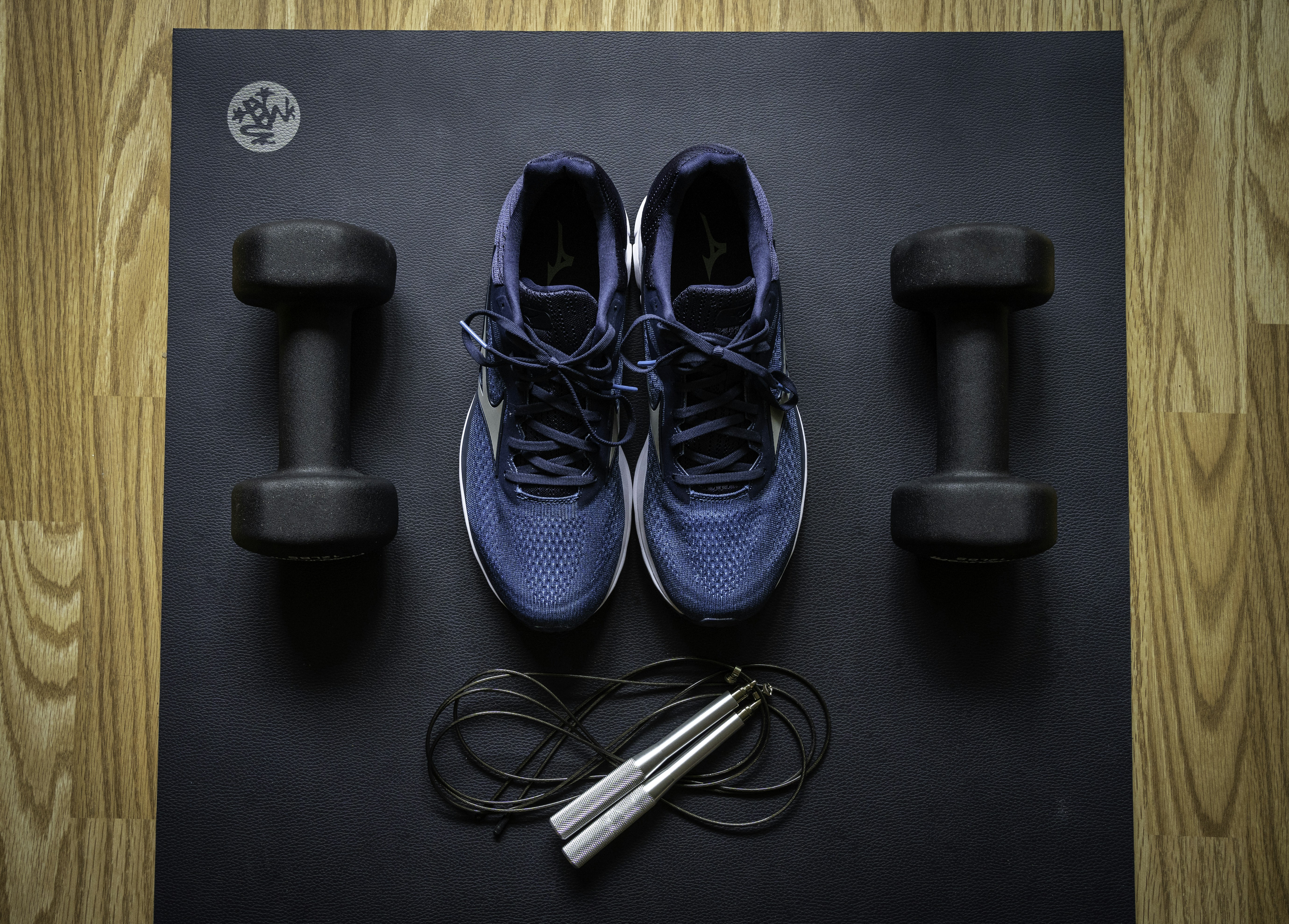
2. Exercise: Move Your Body Regularly
Find Activities You Enjoy
Exercise doesn’t have to mean hours on the treadmill. The best workout is one you’ll stick to. Try:
- Cardio: Walking, running, cycling, or dancing.
- Strength training: Lifting weights or bodyweight exercises.
- Flexibility and balance: Yoga or Pilates.
Aim for Consistency Over Intensity
It’s better to exercise moderately several times a week than to push yourself too hard and burn out. Start with 30 minutes of activity most days and gradually increase as you build stamina.
Incorporate Movement Into Your Day
Small changes can add up:
- Take the stairs instead of the elevator.
- Walk or bike to work.
- Do a 10-minute workout during your lunch break.
3. Mindset: Build a Healthy Relationship with Food
Ditch the All-or-Nothing Mentality
Many people fall into the trap of thinking they have to be perfect to lose weight. Instead, aim for progress, not perfection. Allow yourself occasional treats without guilt.
Practice Mindful Eating
Mindful eating involves paying attention to your hunger and fullness cues, savoring each bite, and avoiding distractions like TV or phones. This can help prevent overeating and improve your relationship with food.
Address Emotional Eating
If you find yourself turning to food for comfort, stress relief, or boredom, it’s important to address the underlying emotions. Consider:
- Journaling about your feelings.
- Talking to a therapist or counselor.
- Finding alternative coping mechanisms, like exercise or hobbies.
4. Consistency: Make Gradual, Lasting Changes
Set Realistic Goals
Instead of aiming to lose 20 pounds in a month, focus on smaller, achievable goals like losing 1-2 pounds per week. This approach is more sustainable and less likely to lead to burnout.
Track Your Progress
Keeping a journal or using an app to track your food, exercise, and progress can help you stay accountable and identify patterns.
Celebrate Non-Scale Victories
Weight loss isn’t just about the number on the scale. Celebrate other wins, like:
- Feeling more energetic.
- Fitting into old clothes.
- Improving your strength or endurance.
5. Habits: Build a Lifestyle That Supports Weight Loss
Prioritize Sleep
Lack of sleep can disrupt hormones that regulate hunger and appetite, leading to weight gain. Aim for 7-9 hours of quality sleep per night.
Stay Hydrated
Drinking enough water can help control hunger, boost metabolism, and improve digestion. Aim for 8-10 glasses per day.
Surround Yourself with Support
Having a strong support system can make a big difference. Share your goals with friends or family, or join a weight loss group for accountability and encouragement.
Common Weight Loss Mistakes to Avoid
Skipping Meals
Skipping meals can slow your metabolism and lead to overeating later. Instead, eat regular, balanced meals and snacks.
Overdoing Cardio
While cardio is important, too much can lead to burnout or muscle loss. Balance cardio with strength training for optimal results.
Relying on Supplements
There’s no magic pill for weight loss. Focus on whole foods and healthy habits instead of relying on supplements or diet pills.
FAQs
1. How much weight can I realistically lose in a month?
A safe and realistic goal is 1-2 pounds per week, or 4-8 pounds per month.
2. Do I need to cut out carbs to lose weight?
No, carbs are an important energy source. Focus on whole, complex carbs and avoid refined sugars.
3. Can I lose weight without exercising?
While diet is the most important factor, exercise helps boost metabolism, build muscle, and improve overall health.
4. How do I stay motivated during plateaus?
Focus on non-scale victories, adjust your routine, and remind yourself why you started.
5. Is it possible to lose weight and still eat my favorite foods?
Yes! Moderation is key. Incorporate your favorite foods in small portions as part of a balanced diet.
Conclusion: Your Journey to Sustainable Weight Loss Starts Now
Losing weight and keeping it off for good is possible with the right mindset, habits, and strategies. By focusing on whole foods, regular exercise, and a positive relationship with your body, you can achieve lasting results.
Remember, weight loss is a journey, not a race. Celebrate your progress, learn from setbacks, and keep moving forward. You’ve got this!
For more tips and resources, check out these trusted sources:
Start your journey today and take the first step toward a healthier, happier you!