![[FITX Magazine] Logo](https://fitxmagazine.com/wp-content/uploads/2024/07/FITX-Magazine-Logo-White.png)
Group fitness classes are transforming how people train by making workouts more motivating, structured, and social. They combine expert coaching, community support, and proven training methods to help you stay consistent and achieve results faster. Whether you’re a beginner or advanced, group workouts offer practical ways to improve performance effectively.
Why Group Fitness Is Becoming a Global Movement
Group fitness isn’t just a trend anymore—it has become a full lifestyle shift. From HIIT studios to spinning rooms, Pilates classes to functional bootcamps, group workouts provide something individual training often lacks: motivation, accountability, community, and structure.
People today are busier, stressed, and often overwhelmed with fitness choices. Group classes simplify the journey. You just show up, follow the coach, and leave knowing you completed a meaningful session.
This is why group fitness is exploding across gyms, boutique studios, and online platforms.
The Psychological Power Behind Group Training
What makes group fitness so effective isn’t only the workout itself—it’s the psychological boost.
Built-In Motivation
Seeing others push harder makes you naturally want to do the same. This is known as positive peer influence or “social facilitation.”
Sense of Belonging
Humans are social beings. Group workouts create a micro-community where people feel supported, valued, and encouraged.
Accountability
When the group expects you to show up, you’re far less likely to skip a session.
Immediate Feedback
Coaches correct your form, adjust intensity, and ensure safety—something you can’t always get training alone.
Together, these elements create a powerful environment for transformation.
Types of Group Fitness Classes That Are Changing the Game
Today’s group fitness offerings are more diverse and innovative than ever. Each type appeals to different goals and personalities.
HIIT (High-Intensity Interval Training)
Short bursts of intense effort followed by rest.
Why it works: Maximum calorie burn in minimum time.
Strength & Conditioning Groups
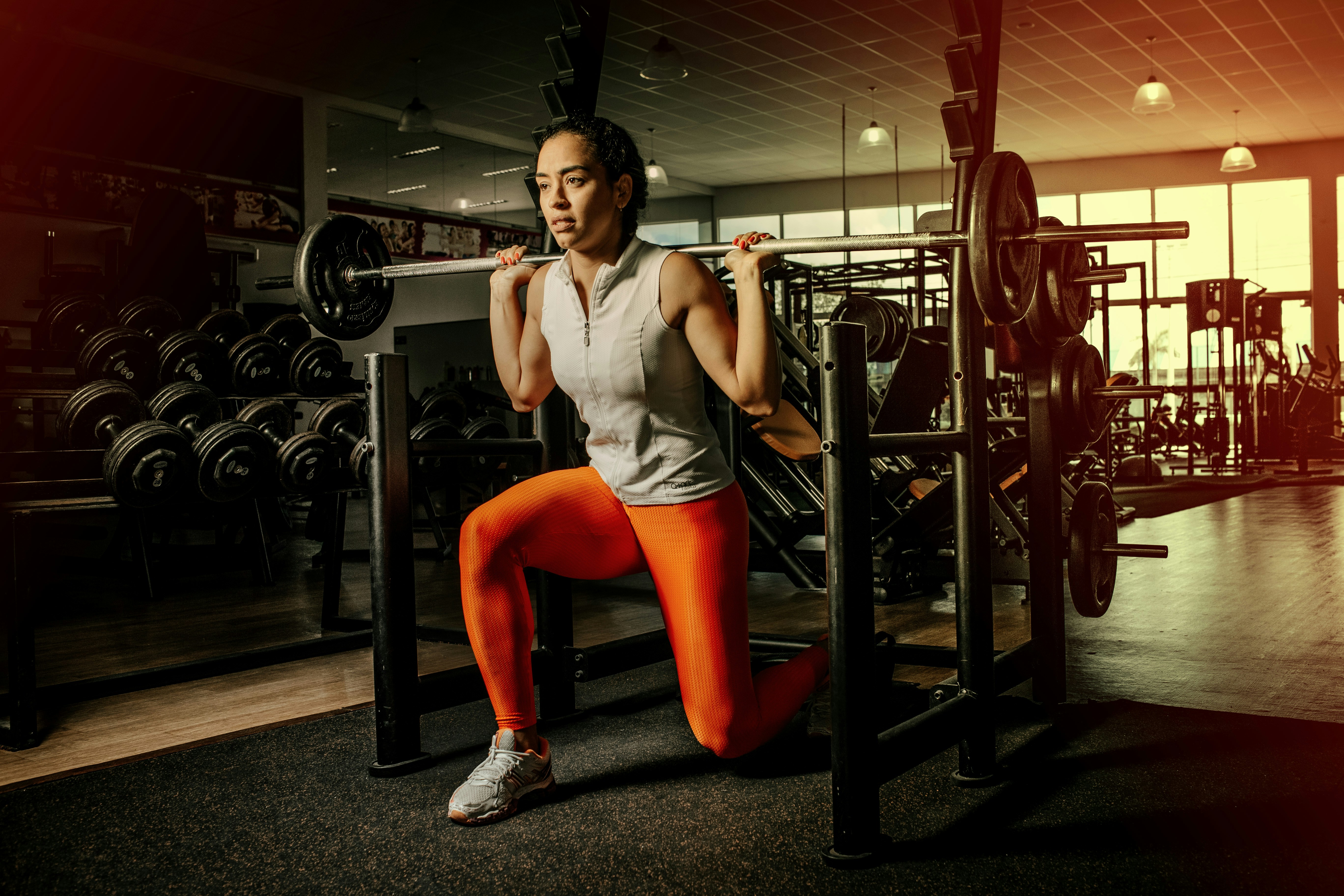
Barbells, dumbbells, resistance bands—guided by a coach.
Best for: Building strength with proper technique.
Yoga & Mindfulness Classes
Blends movement, breathwork, and stress reduction.
Perfect for: Flexibility, mental health, and recovery.
Dance Fitness
Zumba, hip-hop, cardio dance sessions.
Great for: Fun workouts that don’t feel like exercise.
Indoor Cycling / Spin
Music-driven, full-body cycling workouts.
Ideal for: Endurance, weight loss, and leg strength.
Pilates & Barre
Controlled movements improving posture, core strength, and stability.
Best for: Toning and body alignment.
Cross-Training Bootcamps
Combines cardio, strength, core, and mobility training.
Great for: Overall fitness and athletic performance.
With so many options, any person—beginner or advanced—can find their perfect match.
How Group Fitness Improves Performance Faster Than Solo Training
Many people see quicker results with group training because the setup encourages consistency, variety, and intensity. Here’s why:
Expert Guidance Every Session
A certified coach ensures proper technique and progression.
Structured Programming
Classes follow planned routines, reducing guesswork.
Higher Intensity Through Collective Energy
Working out beside others increases effort naturally.
Improved Form and Reduced Injury Risk
Instructors provide corrections that prevent long-term issues.
Built-In Progress Tracking
Many programs use:
- Leaderboards
- Heart-rate monitors
- Performance challenges
- Weekly goals
This creates measurable progress—and motivation.
Why Group Fitness Helps People Stay Consistent
Most fitness journeys fail because people quit too soon. Group classes solve this with:
Routine-Based Structure
Classes run at fixed times, helping build habits.
Social Accountability
You form friendships. If you skip, people notice.
Emotional Rewards
The atmosphere, music, and group energy make exercise more enjoyable.
Variety That Prevents Boredom
New workouts weekly keep the mind and body engaged.
Consistency leads to results—and group fitness makes consistency easier.
The Community Effect: How Group Classes Boost Confidence
Many people join group classes feeling shy, unfit, or intimidated. But over time, community encourages:
- Confidence
- Self-esteem
- A sense of accomplishment
- Camaraderie
- Support during tough days
This community effect becomes the emotional backbone of long-term fitness success.
People don’t just come for the workout—they come for the people.
Practical Tips to Get the Most Out of Group Fitness Classes
Here are actionable strategies to maximize progress:
Choose a Class That Matches Your Goals
Weight loss → HIIT, Cycling
Strength → CrossFit, Strength Circuits
Flexibility → Yoga, Pilates
Stress relief → Mindfulness, Slow Flow Yoga
Arrive 10 Minutes Early
Get comfortable, talk to the trainer, and prepare mentally.
Start with the Right Intensity
Don’t worry about keeping up with everyone right away. Coaches can modify moves for beginners.
Focus on Form, Not Speed
Proper technique gives better results and prevents injuries.
Stay Consistent (3–4 Classes Weekly)
The more consistent you are, the faster the transformation.
Track Your Progress
Use:
- A journal
- Fitness app
- Heart-rate monitor
- Photos
- Measurements
It keeps you motivated.
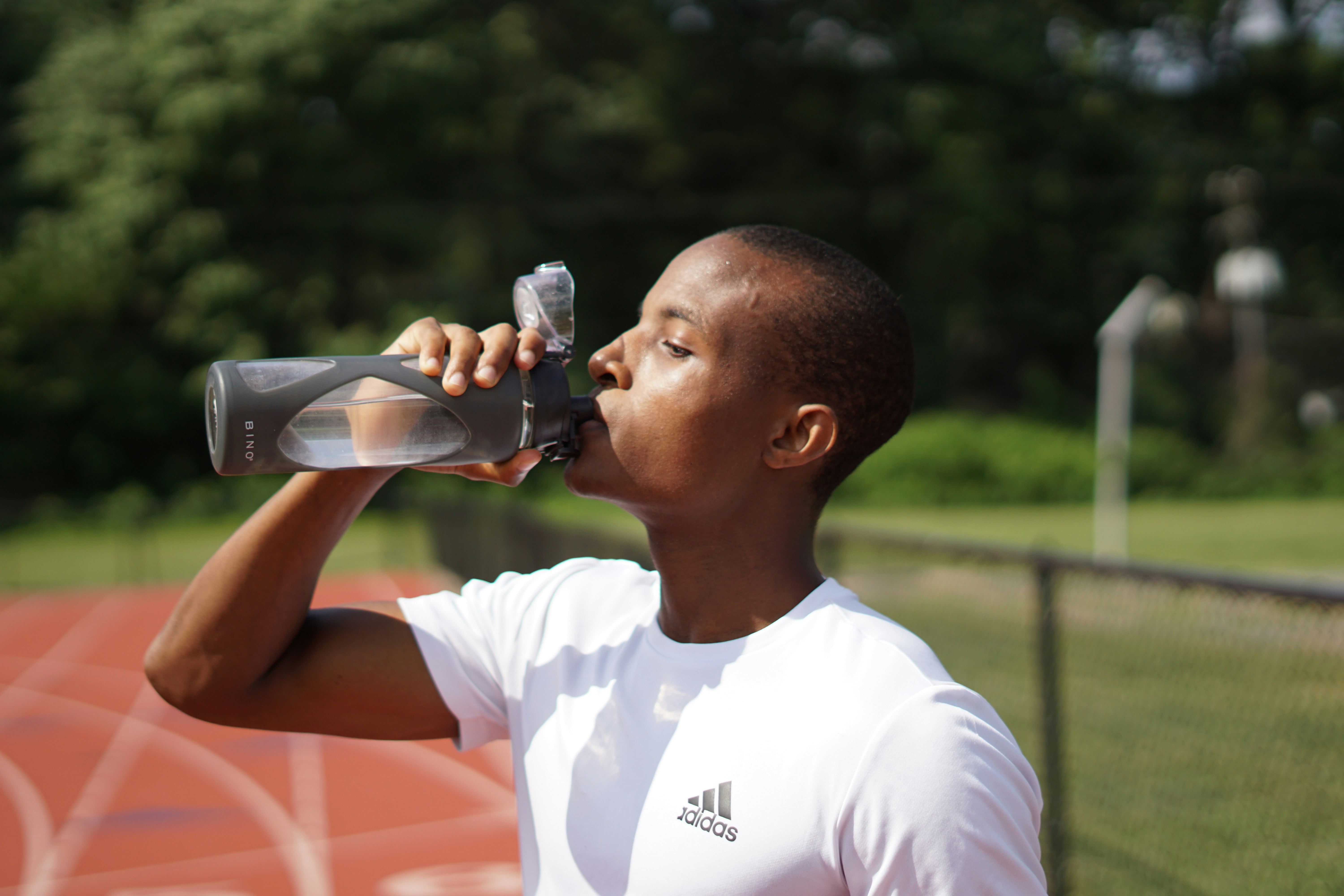
Hydrate and Refuel Properly
Group sessions can be intense—good recovery matters.
Celebrate Small Wins
Maybe you held a plank longer or lifted heavier—acknowledge it.
How to Choose the Right Group Fitness Class for You
To avoid burnout or injury, choose a class that aligns with your personality, fitness level, and preferences.
Consider Your Experience Level
Beginner-friendly options:
- Yoga
- Dance fitness
- Light HIIT
- Basic strength training
Intermediate options:
- Cycling
- Bootcamps
- Power yoga
Advanced options:
- CrossFit
- Advanced HIIT
- Heavy strength circuits
Evaluate the Instructor
A great instructor is trained, supportive, and ensures everyone feels included.
Try Multiple Styles
Most gyms allow trial classes. Experiment until you find what you enjoy.
Check the Environment
Ask yourself:
- Is the class overcrowded?
- Is the equipment clean?
- Do you feel safe and supported?
You deserve a positive training space.
The Rise of Virtual and Hybrid Group Fitness Classes
Online group workouts boomed during global lockdowns—and now they’re here to stay.
Benefits of Virtual Classes
- Train from home
- Live or on-demand sessions
- Flexible schedules
- Huge variety
Hybrid Training
Many people now mix:
- In-person classes for accountability
- Online classes for convenience
This gives the best of both worlds.
How Group Classes Support Long-Term Fitness Transformation
Group fitness doesn’t just change bodies—it changes lifestyles.
Builds Sustainable Habits
Groups provide routine and awareness.
Creates Emotional Resilience
Shared progress builds confidence.
Inspires Lifelong Fitness
Once you experience group energy, it becomes part of your identity.
Helps You Push Beyond Limitations
The presence of others encourages you to go a little harder each time.
This long-term influence is why so many people stay committed.
Internal Link Suggestions (Relevant to Your Website)
You can link to articles or categories such as:
- “Best Fitness Equipment for Home Workouts”
- “Top Workout Accessories That Boost Performance”
- “Healthy Lifestyle Tips for Busy People”
These enhance user engagement and SEO.
External Authority Sources for E-E-A-T
You may reference or cite:
- American Council on Exercise (ACE)
- Harvard Health
- Mayo Clinic
- National Academy of Sports Medicine (NASM)
These sources strengthen credibility and trustworthiness.
FAQs (Unique & Not Repeated in Headings)
Are group fitness classes better than working out alone?
For many people, yes. Group classes offer structure, coaching, and motivation that can be difficult to maintain when training solo.
Can beginners join group fitness classes?
Absolutely. Most classes offer modifications so beginners can progress safely.
How many group sessions should I take per week?
Three to four classes weekly is ideal for most people seeking results.
Do I need special equipment for group fitness classes?
Most studios provide equipment. For online classes, a mat and resistance band are enough to start.
Can group classes help with weight loss?
Yes. High-energy group classes like HIIT, spin, and bootcamps burn significant calories and boost metabolism.
Conclusion
Group fitness and classes are reshaping the future of training by making workouts more motivating, structured, and enjoyable. Whether you want to lose weight, build strength, increase flexibility, or simply stay consistent, group training gives you the community and guidance you need.
With expert coaching, accountability, and a supportive atmosphere, you’re far more likely to stay on track and achieve meaningful results. Combine these practical tips with regular attendance, and group fitness can truly transform the way you train—physically, mentally, and socially.