![[FITX Magazine] Logo](https://fitxmagazine.com/wp-content/uploads/2024/07/FITX-Magazine-Logo-White.png)

Intro: Your Pain Points and the Sustainable Weight Loss Outcome You Can Achieve
Many people cycle through restrictive fad diets only to hit a frustrating weight loss plateau that halts fat loss and erodes motivation. These stalls often stem from muscle loss and metabolic slowdown caused by extreme calorie restriction without proper support. Evidence-based weight management provides a reliable alternative focused on long-term habits rather than temporary fixes.
Sustainable weight loss succeeds when protein intake stays high, strength training is consistent, and sleep quality supports recovery. Research shows these elements help preserve muscle while reducing fat stores effectively. The Healthline guide updated in 2026 highlights how lifting weights and prioritizing protein prevent the common pitfalls of rapid diets.
Mayo Clinic resources stress realistic goal setting combined with regular tracking of both food and activity. Adding aerobic exercise alongside resistance work builds the foundation for lasting change without burnout.
NIH evidence confirms that dietary therapy paired with physical activity and behavior changes delivers safe weight management. A 2021 review further supports creating a moderate energy deficit through balanced meal timing instead of extreme cuts.
This guidance targets individuals seeking to build muscle lose fat or maintain healthy body composition. By following these principles you achieve sustainable weight loss that improves metabolism health strategies and reduces the risk of future plateaus through gradual, science-backed adjustments.
Proven Strategies: Protein, Strength Training, Sleep, and Calorie Tracking
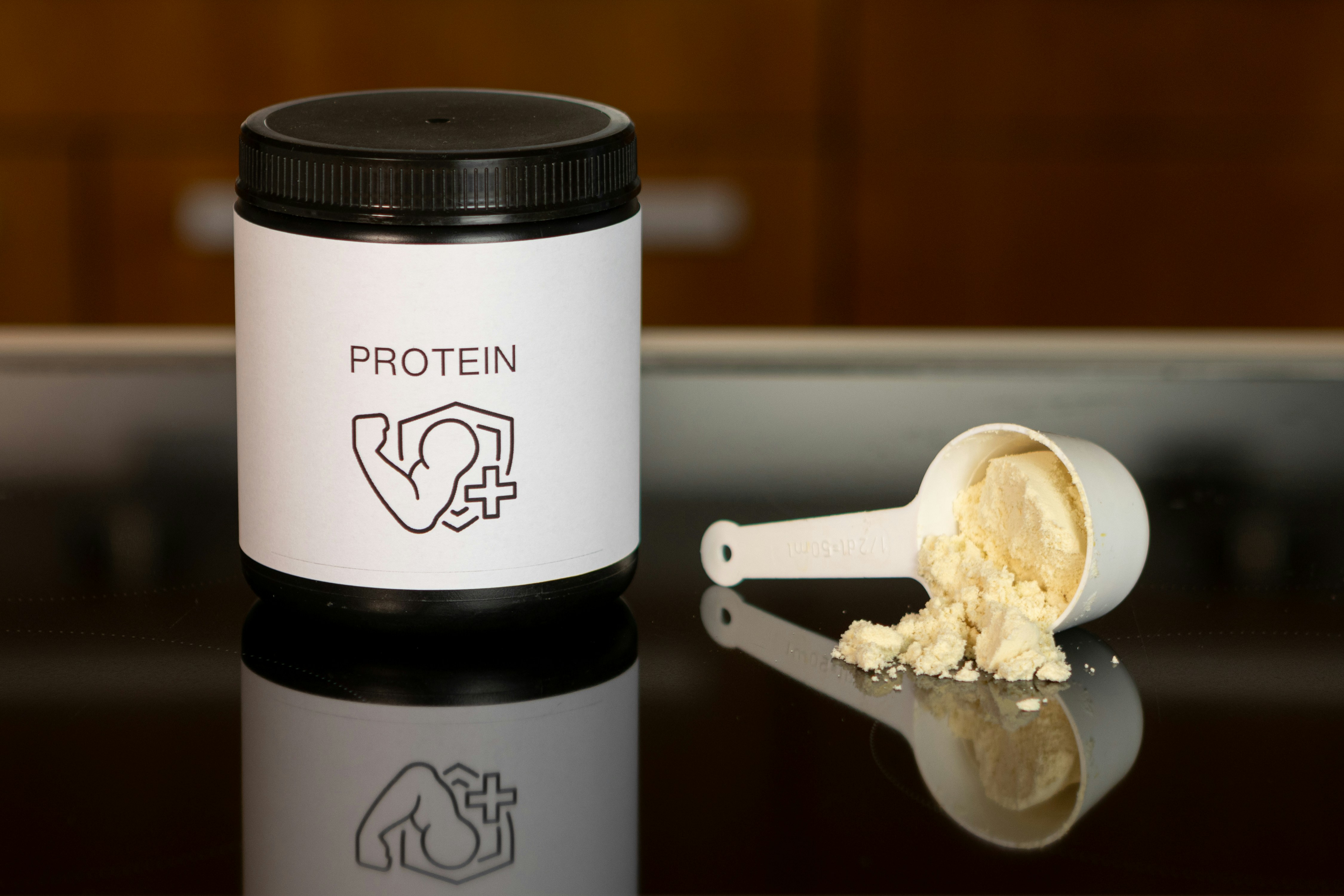
Protein consumption plays a central role in preserving lean mass during fat loss phases. Consume 25 to 30 grams at each meal from sources like eggs, fish, and dairy. This strategy supports sustainable weight loss by keeping metabolism active.
Incorporate strength training sessions three times per week using compound movements such as squats and presses. Add aerobic exercise on other days to increase energy expenditure. The Mayo Clinic guide recommends this combination for long-term success in weight management.
Adequate sleep of seven to nine hours nightly regulates appetite hormones and supports recovery from workouts. Studies link insufficient rest to increased cravings and slower progress. Prioritizing rest enhances metabolism health strategies overall.
Use calorie tracking apps to monitor intake and maintain a 500 calorie daily deficit. Focus on nutrient dense foods and consistent timing. NIH evidence supports this behavioral approach for safe and effective results.
Regular assessment of body measurements and strength gains helps identify when adjustments are needed. These evidence-based weight management techniques allow you to build muscle lose fat without hitting plateaus quickly. The 2021 review on energy deficit confirms that moderate restrictions combined with activity yield better adherence than severe cuts. Behavior changes like meal planning reinforce habits that last.
Overcoming Plateaus: Adjustments, NEAT, and Long-Term Maintenance
Weight loss plateaus arise when metabolic rate slows after initial fat loss and muscle mass declines from prolonged calorie restriction. Mayo Clinic notes this adaptation reduces daily energy needs and halts progress without targeted changes. Evidence-based weight management counters these effects through precise adjustments rather than further restriction.
Reassess total calorie intake and lower it modestly while keeping protein high to protect lean tissue. Increase NEAT by adding walks, standing breaks, and household movement to raise expenditure without formal exercise. Healthline recommends these 12 practical steps including hydration and sleep optimization to restore momentum.
Continue resistance training three or more times weekly to maintain muscle and support metabolism health strategies. Prioritize seven to nine hours of sleep nightly and manage stress to stabilize hormones that influence fat storage. StatPearls highlights how these elements address metabolic adaptations and hormonal shifts during stalls.
For sustained results track progress weekly and refine activity or intake gradually. NIH behavioral strategies show that consistent monitoring prevents regain and builds lasting habits. This framework delivers sustainable weight loss while allowing you to build muscle lose fat over time.
Begin by logging current steps and protein intake today then schedule a strength session to resume forward movement.
Sources
- https://www.healthline.com/nutrition/how-to-lose-weight-as-fast-as-possible
- https://www.mayoclinic.org/healthy-lifestyle/weight-loss/in-depth/weight-loss/art-20047752
- https://www.ncbi.nlm.nih.gov/books/NBK2009
- https://pmc.ncbi.nlm.nih.gov/articles/PMC8017325
- https://www.ncbi.nlm.nih.gov/books/NBK221839
- https://www.ncbi.nlm.nih.gov/books/NBK576400
- https://www.nutrisense.io/blog/weight-loss-plateau
- https://www.healthline.com/nutrition/weight-loss-plateau
- https://samhealth.org/news/understand-a-weight-loss-plateau-what-to-do-about-it
- https://www.mayoclinic.org/healthy-lifestyle/weight-loss/in-depth/weight-loss-plateau/art-20044615