![[FITX Magazine] Logo](https://fitxmagazine.com/wp-content/uploads/2024/07/FITX-Magazine-Logo-White.png)

Introduction
Ready to shake up your fitness routine with something new? Welcome to the world of barre workouts! If you’re wondering what barre is and how it can transform your fitness journey, you’ve come to the right place. Let’s dive into the essentials of barre workouts and how you can get started today.
Understanding the Basics of Barre
History and Origin
Barre workouts have a fascinating origin, blending ballet, Pilates, and yoga. It was created in the 1950s by ballerina Lotte Berk in London. She designed this exercise method to help her recover from a back injury, integrating her dance training with rehabilitative exercises.
Barre Techniques and Principles
Barre combines elements of strength training, flexibility, and balance. The technique focuses on small, controlled movements, isometric holds, and high repetition to sculpt muscles. It emphasizes alignment and posture, which are crucial for maximizing the workout’s effectiveness and preventing injuries.
Preparing for Your First Barre Class
What to Wear
Comfort is key. Wear form-fitting clothes like leggings and a tank top or a fitted t-shirt. This allows instructors to see your form and make necessary adjustments. Bare feet or grippy socks are recommended for better stability.
What to Bring
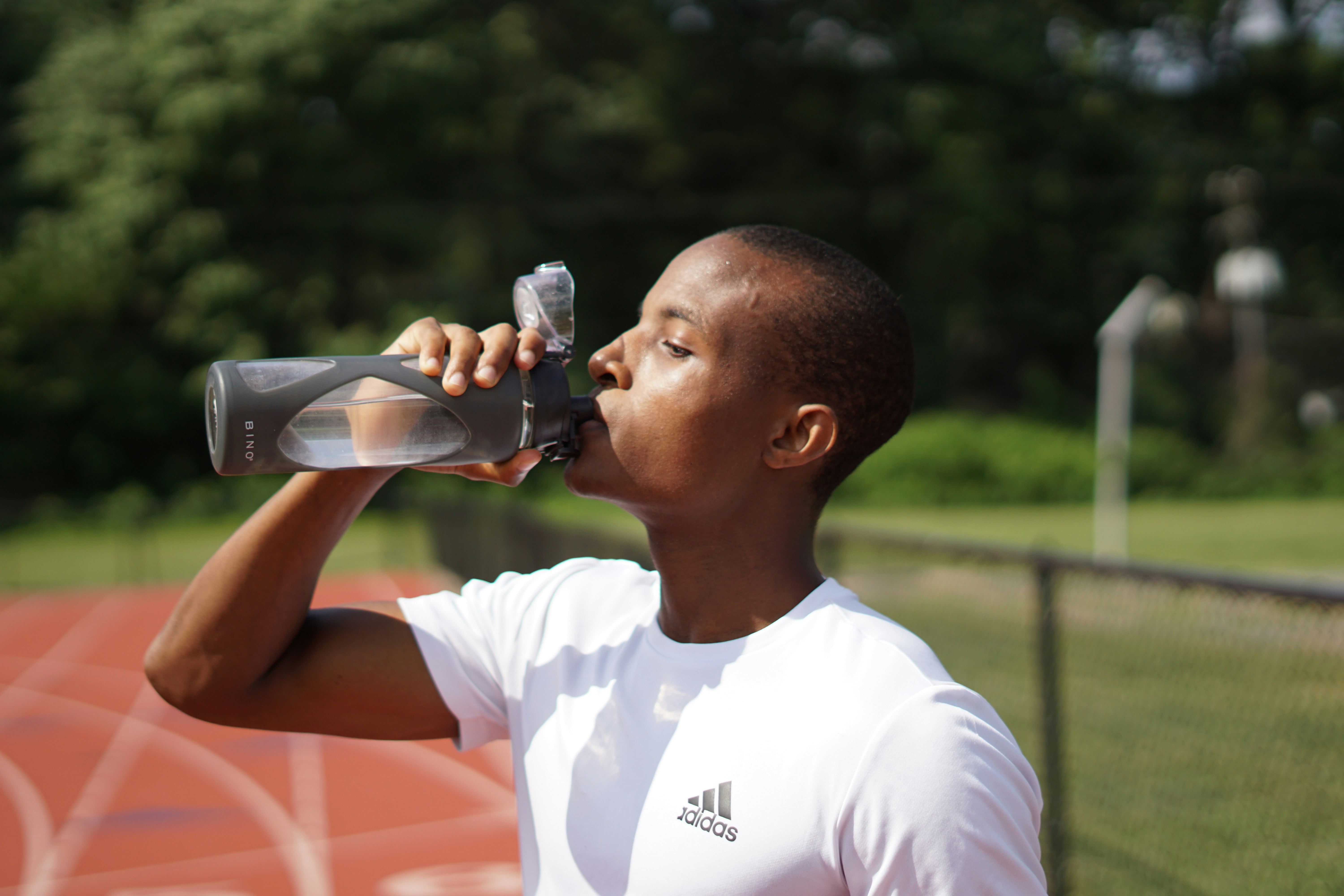
Bring a water bottle to stay hydrated and a towel if you tend to sweat a lot. Some studios provide mats and equipment, but check beforehand if you need to bring your own.
Setting Realistic Expectations
Barre is challenging but accessible to all fitness levels. Don’t expect to master everything in your first class. The key is consistency and patience.
Types of Barre Classes
Classic Barre
This traditional form focuses on ballet-inspired moves combined with Pilates and yoga. It’s great for building core strength and improving posture.
Cardio Barre
For those looking to get their heart rate up, cardio barre integrates more dynamic movements and faster-paced exercises, offering both strength and cardiovascular benefits.
Barre Fusion
Barre fusion classes mix barre with other fitness disciplines, like strength training or dance, for a varied and exciting workout experience.
Essential Barre Equipment
Barre or a Substitute
You can use a sturdy chair, countertop, or even a ballet barre if you have one at home. The key is to have something stable to hold onto for balance.
Light Weights
Typically, 1-3 pound weights are used to add resistance without bulking up. They help tone and strengthen muscles.
Resistance Bands
These add an extra challenge to your workout, engaging muscles more deeply.
Exercise Mat
An exercise mat provides cushioning for floor exercises, ensuring comfort and safety.
Warm-Up Exercises
Importance of Warming Up
Warming up prepares your muscles and joints for the workout, reducing the risk of injury and improving performance.
Sample Warm-Up Routine
Start with some light cardio, like marching in place or gentle jogging. Follow with dynamic stretches such as leg swings and arm circles to increase blood flow and flexibility.
Key Barre Movements
Plies
Plies are fundamental in barre, targeting your thighs and glutes. Stand with heels together, toes turned out, and bend your knees while keeping your back straight.
Tendus
Tendus help with leg and core strength. Slide one foot along the floor, keeping it pointed and straight, then return to the starting position.
Leg Lifts
These target your glutes and hamstrings. From a standing or prone position, lift one leg behind you while keeping it straight and engaged.
Core Workouts
Barre incorporates a lot of core work, like planks and abdominal curls, to strengthen and stabilize your midsection.
Building Your Barre Routine
Structuring a Barre Workout
A typical barre workout is about 45-60 minutes, starting with a warm-up, followed by upper body work, lower body exercises, core strengthening, and a cool-down stretch.
Repetitions and Sets
Barre focuses on high repetitions (15-30 reps per exercise) with low weights or body weight to tone muscles without bulking.
Modifying for Different Fitness Levels
Adjust the intensity by using lighter weights or performing fewer repetitions. Listen to your body and avoid pushing past your limits.
Incorporating Barre into Your Fitness Regimen
Frequency of Workouts
Aim for 3-4 barre sessions per week to see noticeable results. Balance this with other forms of exercise like cardio and rest days.
Combining with Other Exercises
Barre complements other workouts well. Pair it with cardio exercises like running or cycling, and strength training for a well-rounded fitness routine.
Tracking Progress
Keep a journal or use a fitness app to track your workouts, noting improvements in strength, flexibility, and endurance.
Tips for Success in Barre Workouts
Maintaining Proper Form
Proper form is crucial to avoid injury and get the most out of your workout. Engage your core, keep your back straight, and follow the instructor’s cues.
Listening to Your Body
Pay attention to how your body feels. It’s okay to modify exercises or take breaks if needed. Progress at your own pace.
Staying Consistent
Consistency is key. Even on days when motivation is low, showing up and doing a short workout is better than skipping it entirely.
Common Mistakes to Avoid
Overextending Yourself
Don’t push too hard, too fast. Build your strength and endurance gradually to prevent burnout and injuries.
Ignoring Proper Form
Always prioritize form over intensity. Incorrect form can lead to injuries and less effective workouts.
Neglecting Rest and Recovery
Rest days are essential for muscle recovery and overall fitness progress. Don’t underestimate their importance.
Nutrition and Hydration
Pre-Workout Nutrition
Eat a light meal or snack rich in carbs and protein about an hour before your workout to fuel your body.
Post-Workout Nutrition
Refuel with a balanced meal of protein and carbs within two hours after your workout to aid muscle recovery.
Importance of Hydration
Staying hydrated is crucial for performance and recovery. Drink water before, during, and after your workout.
Mental Benefits of Barre
Stress Reduction
Barre workouts can be a great stress reliever, helping you to focus on the movements and clear your mind.
Improved Focus and Mindfulness
The concentration required for barre improves mental focus and promotes mindfulness, benefiting your overall well-being.
Advanced Barre Techniques
Increasing Intensity
Add more repetitions, decrease rest time between sets, or incorporate heavier weights to challenge yourself.
Adding Variations
Introduce new movements or modify existing ones to keep your workouts interesting and challenging.
Using Advanced Equipment
Experiment with equipment like stability balls or ankle weights to add variety and difficulty.
Conclusion
Barre workouts offer a comprehensive approach to fitness, combining strength, flexibility, and balance training. They are suitable for all fitness levels and provide numerous physical and mental benefits. So, grab your mat, find a class, and get started on your barre journey today!
FAQs
Is Barre Suitable for Beginners?
Absolutely! Barre is perfect for beginners because it allows for modifications and