![[FITX Magazine] Logo](https://fitxmagazine.com/wp-content/uploads/2024/07/FITX-Magazine-Logo-White.png)

Do you wake up exhausted, battle afternoon slumps, and feel overwhelmed by daily stress? You’re not alone. Millions of everyday individuals struggle with low energy and chronic tension, impacting work, relationships, and joy. The good news: simple, sustainable health habits can restore your vitality without gym memberships or fad diets.
Healthy lifestyle habits centered on quality sleep, daily movement, and stress mastery form the foundation for lasting well-being. Research from WashU Surgery highlights how consistent physical activity, adequate rest, and stress management yield CDC-backed benefits like improved heart health, stronger immunity, and better mental clarity https://surgery.wustl.edu/healthy-lifestyle-habits-for-2026/.
This guide targets busy professionals, parents, and anyone seeking balanced routines. No extremes—just practical advice for real life. Expect outcomes like sustained energy, sharper focus, reduced anxiety, and enhanced mood, as supported by UCLA Health tips on sleep and mindfulness for emotional balance https://www.uclahealth.org/news/article/nine-mental-health-tips-happier-2026.
Scientists at Stanford echo this, recommending strength training, consistent movement, healthy eating, proper sleep, and stress regulation as key healthy lifestyle habits for young adults to build lifelong resilience https://www.newsweek.com/scientists-reveal-five-healthy-habits-for-20s-and-30s-11358114.
Over the next sections, discover actionable steps for a daily movement routine, quality sleep tips, and stress reduction techniques. Start small, stay consistent, and unlock a well-rounded wellness that feels effortless.
Quick Win: Build Daily Movement Habits Without Overhauling Your Routine
Incorporating a daily movement routine elevates healthy lifestyle habits without demanding hours at the gym. For beginners seeking balance, these micro-adjustments boost energy, mood, and overall vitality immediately.
Start with walking, as recommended by Choice Physicians Group: a simple 20-minute daily walk enhances cardiovascular health, flexibility, and stress reduction while fitting busy schedules seamlessly https://choicephysiciansgroup.com/blog/5-simple-lifestyle-changes-to-improve-your-health-in-2025/.
UCLA Health affirms movement regulates the nervous system and mood, with short bursts like dancing or yoga proving effective. A review of 1.2 million adults linked exercise to better mental health, even below 45 minutes weekly https://www.uclahealth.org/news/article/nine-mental-health-tips-happier-2026.
Stanford researchers via Newsweek stress consistent movement over sitting: aim for 7,000 steps daily to slash disease risks by up to 17%. Include strength elements like squats for bone density in your 20s-30s https://www.newsweek.com/scientists-reveal-five-healthy-habits-for-20s-and-30s-11358114.
Five easy steps to launch your routine:
- Morning momentum: Walk 10-15 minutes post-wakeup to spike endorphins and set an active tone.
- Meal mover: Stroll 5-10 minutes after lunch to combat slumps and aid digestion.
- Office resets: Every hour, stand for shoulder rolls, leg lifts, or wall pushes—2 minutes max.
- Evening wind-down: Gentle stretches or yoga poses while watching TV for flexibility.
- Strength bursts: 10 squats, pushups, or planks during commercial breaks thrice daily.
WashU Surgery notes CDC-backed regular exercise benefits: stronger heart, brain, bones, and cancer risk reduction https://surgery.wustl.edu/healthy-lifestyle-habits-for-2026/.
NPR reports exercise routines paired with structure diminish anxiety effectively https://www.npr.org/2025/08/22/nx-s1-5509988/how-sleep-exercise-and-a-daily-routine-can-improve-your-mental-and-physical-health.
Use a pedometer app to track. These sustainable health habits compound into profound well-rounded wellness.
Optimize Sleep Hygiene and Proven Stress Reduction Techniques for Recovery
Mastering sleep hygiene and stress reduction techniques completes healthy lifestyle habits for full recovery. Prioritizing 7-9 hours nightly restores energy, sharpens focus, and bolsters immunity, as emphasized by WashU Surgery’s CDC-backed guidelines and Choice Physicians Group’s beginner tips https://surgery.wustl.edu/healthy-lifestyle-habits-for-2026/ https://choicephysiciansgroup.com/blog/5-simple-lifestyle-changes-to-improve-your-health-in-2025/.
Build your sleep routine step-by-step:
- Fixed schedule: Bed and wake times consistent, even weekends, to regulate circadian rhythm (UCLA Health).
- Pre-bed ritual: One hour screen-free; opt for reading, herbal tea, or light stretches https://www.uclahealth.org/news/article/nine-mental-health-tips-happier-2026.
- Optimal environment: Cool (60-67°F), dark, quiet room; use earplugs or white noise if needed.
- Daytime support: Morning light exposure and afternoon movement enhance nighttime rest https://tranqbay.health/blog/mental-health/world-sleep-day-2026-10-practical-ways-to-improve-your-sleep-health.
Common pitfalls and fixes:
- Late caffeine/alcohol: Cut off by noon; they disrupt deep sleep stages.
- Racing thoughts: Journal three gratitudes or worries before bed to offload mind.
- Irregular weekends: Stick to schedule within 30 minutes to avoid ‘social jetlag.’
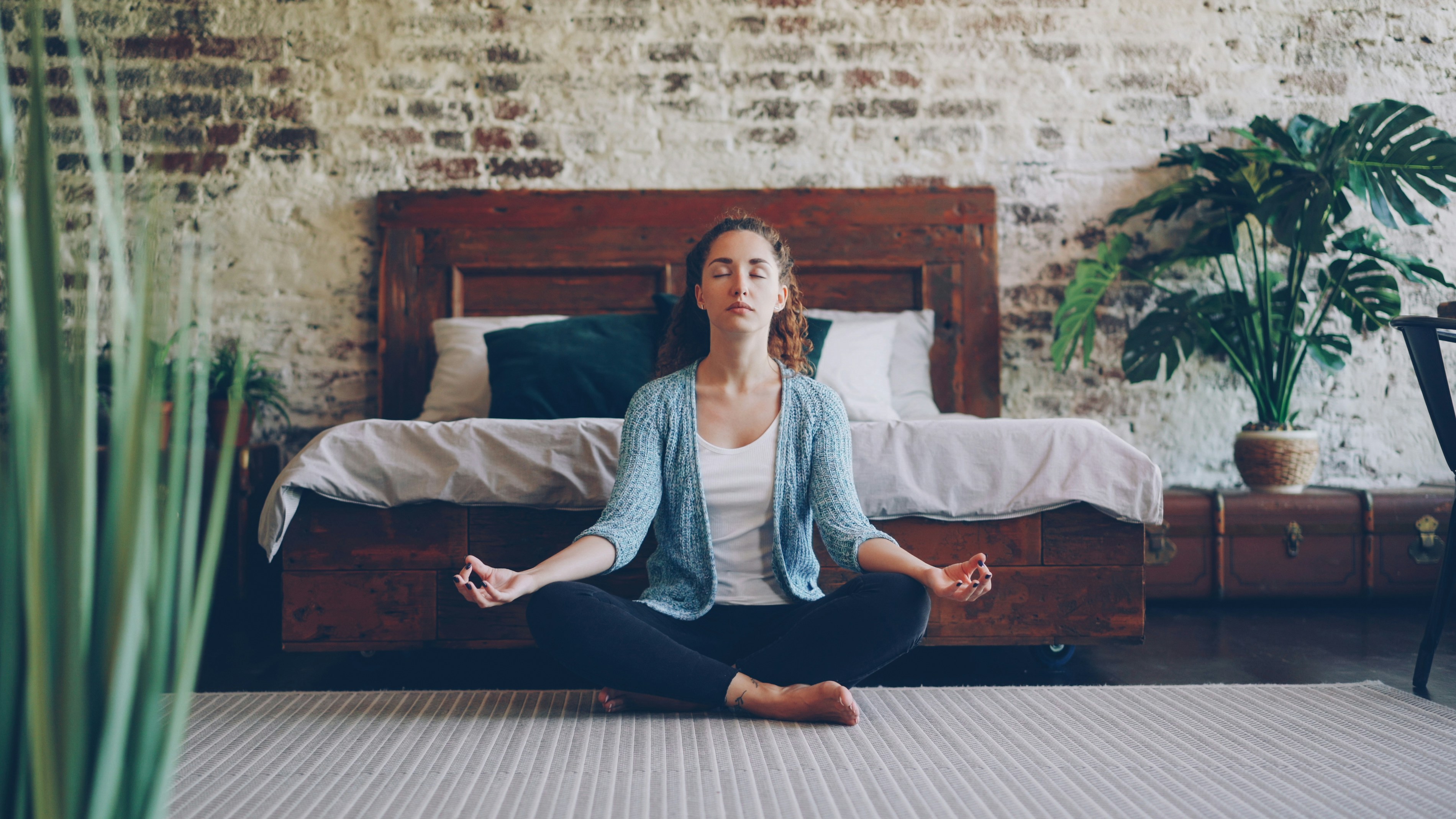
Proven stress reduction techniques amplify recovery. UCLA advocates present-moment awareness: Focus on breath for 5 minutes daily as a ‘daily anchor.’ Stanford researchers stress nervous system regulation via meditation or yoga to prevent chronic damage https://www.newsweek.com/scientists-reveal-five-healthy-habits-for-20s-and-30s-11358114.
Quick mindfulness for stress:
- 4-7-8 breathing: Inhale 4 seconds, hold 7, exhale 8; repeat 4x.
- Body scan: Tense/release muscles from toes to head.
- Gratitude practice: Note three wins nightly.
NPR links routines with sleep/exercise to cut anxiety https://www.npr.org/2025/08/22/nx-s1-5509988/how-sleep-exercise-and-a-daily-routine-can-improve-your-mental-and-physical-health.
FAQ:
- Q: Still tired after 8 hours? A: Check quality—track with app; consult doctor for apnea.
- Q: Stress spikes at night? A: Morning exercise and evening dimming lights preempt it.
Next: Track one week, combine with daily movement for sustainable health habits and well-rounded wellness.
Sources
- https://surgery.wustl.edu/healthy-lifestyle-habits-for-2026/
- https://www.uclahealth.org/news/article/nine-mental-health-tips-happier-2026
- https://choicephysiciansgroup.com/blog/5-simple-lifestyle-changes-to-improve-your-health-in-2025/
- https://woodstockvitamins.com/blog/2026-lifestyle-adjustments/
- https://www.holy-cross.com/blog-articles/tips-healthier-2026
- https://www.forbes.com/sites/lucianapaulise/2026/01/13/how-to-build-a-balanced-routine-for-2026-in-6-steps/
- https://tranqbay.health/blog/mental-health/world-sleep-day-2026-10-practical-ways-to-improve-your-sleep-health
- https://www.newsweek.com/scientists-reveal-five-healthy-habits-for-20s-and-30s-11358114
- https://www.npr.org/2025/08/22/nx-s1-5509988/how-sleep-exercise-and-a-daily-routine-can-improve-your-mental-and-physical-health
- https://www.youtheory.com/blogs/learn/4-tips-to-reduce-stress-and-find-balance-in-2025