![[FITX Magazine] Logo](https://fitxmagazine.com/wp-content/uploads/2024/07/FITX-Magazine-Logo-White.png)

Introduction
In today’s fast-paced world, maintaining a proper diet and nutrition often takes a backseat. However, the importance of a balanced diet cannot be overstated. It is essential for our overall health and well-being. A proper diet fuels our body, supports growth, repairs tissues, and keeps our immune system strong. Let us explore the multifaceted benefits of proper diet and nutrition and understand why it is crucial for a healthy life.
The Foundation of Health: Understanding Proper Diet and Nutrition
What Constitutes a Proper Diet?
A proper diet comprises a variety of foods that provide essential nutrients needed for the body’s functions. These nutrients include carbohydrates, proteins, fats, vitamins, minerals, and water.
Macronutrients and Their Roles
Carbohydrates: These are the primary source of energy for our body. They are found in fruits, vegetables, grains, and legumes.
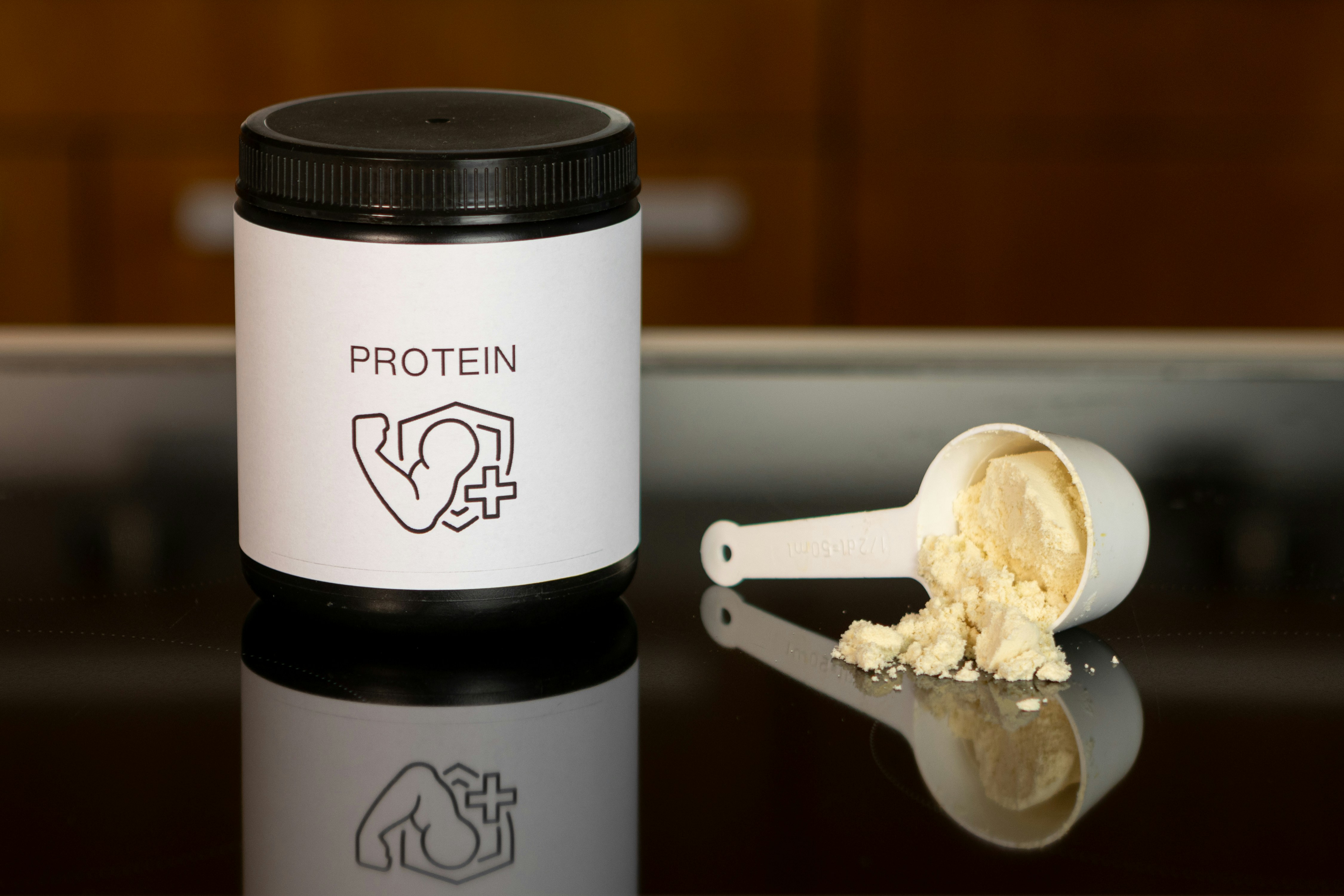
Proteins: Essential for growth, muscle repair, and immune function. Sources include meat, dairy, nuts, and legumes.
Fats: Necessary for brain health, energy, and the absorption of certain vitamins. Healthy fats are found in fish, nuts, seeds, and oils.
Micronutrients: Vitamins and Minerals
Vitamins: Vital for various bodily functions such as vision, skin health, and immune response. They are found in fruits, vegetables, and animal products.
Minerals: Essential for bone health, fluid balance, and muscle function. Important minerals include calcium, potassium, and iron.
The Benefits of Proper Nutrition
Proper nutrition offers numerous benefits that significantly impact our physical and mental health.
Enhanced Energy Levels
A balanced diet ensures that our body has a consistent supply of energy throughout the day. Complex carbohydrates and proteins help maintain steady blood sugar levels, preventing energy crashes.
Improved Mental Health
Nutrients like omega-3 fatty acids, found in fish, and antioxidants, found in fruits and vegetables, play a crucial role in brain health. They help reduce the risk of mental health issues such as depression and anxiety.
H3: Stronger Immune System
Vitamins and minerals such as vitamin C, vitamin D, and zinc bolster our immune system, making us less susceptible to infections and illnesses.
Long-Term Health Benefits
A proper diet is not just about short-term gains; it has long-lasting effects on our health.
Reduced Risk of Chronic Diseases
A diet rich in fruits, vegetables, whole grains, and lean proteins helps reduce the risk of chronic diseases such as heart disease, diabetes, and cancer. These foods are high in antioxidants and anti-inflammatory properties.
Healthy Weight Management
Maintaining a healthy weight is crucial for overall health. Proper nutrition, combined with regular physical activity, helps manage weight effectively and prevents obesity.
Nutrition Across Different Life Stages
Nutritional needs vary across different life stages. Understanding these needs is essential for maintaining health throughout life.
Nutrition in Childhood
Proper nutrition during childhood supports growth and development. It helps build strong bones, supports cognitive development, and establishes healthy eating habits.
Nutrition in Adolescence
Adolescence is a period of rapid growth and development. Adequate intake of nutrients like calcium, iron, and protein is vital during this stage to support bone health, muscle growth, and hormonal changes.
Nutrition in Adulthood
In adulthood, maintaining a balanced diet helps sustain energy levels, supports mental health, and prevents chronic diseases. It’s crucial to focus on nutrient-dense foods and limit the intake of processed foods and sugars.
Nutrition in Old Age
As we age, our nutritional needs change. Older adults need fewer calories but higher amounts of certain nutrients like vitamin D, calcium, and vitamin B12 to maintain bone health, muscle strength, and cognitive function.
Practical Tips for Maintaining a Proper Diet
Adopting a healthy diet can be challenging, but with the right strategies, it can become a sustainable lifestyle choice.
Plan Your Meals
Meal planning helps ensure you have a variety of healthy foods in your diet. It also prevents impulsive eating of unhealthy foods.
Include a Variety of Foods
Eating a wide range of foods ensures you get all the necessary nutrients. Aim to include different colors and types of fruits and vegetables in your meals.
Stay Hydrated
Water is essential for digestion, absorption, and transportation of nutrients. Aim to drink at least 8 glasses of water a day.
Practice Portion Control
Understanding portion sizes helps prevent overeating and ensures you get the right amount of nutrients without consuming too many calories.
Limit Processed Foods
Processed foods often contain high levels of sugar, salt, and unhealthy fats. Limit their consumption and focus on whole, natural foods.
The Role of Supplements
While a balanced diet should provide all the necessary nutrients, supplements can be beneficial in certain situations.
When to Consider Supplements
Consider supplements if you have a specific nutrient deficiency, dietary restrictions, or a medical condition that affects nutrient absorption.
Choosing the Right Supplements
Consult with a healthcare provider to determine the right supplements for your needs. Avoid over-reliance on supplements and focus on obtaining nutrients from food.
Common Misconceptions About Diet and Nutrition
There are many misconceptions about diet and nutrition. It’s important to debunk these myths for a better understanding of healthy eating.
Myth: Carbs are Bad for You
Carbohydrates are an essential part of a healthy diet. Focus on consuming complex carbs like whole grains rather than simple carbs like sugars.
Myth: All Fats are Unhealthy
Healthy fats, such as those found in avocados, nuts, and olive oil, are important for brain health and energy. Avoid trans fats and excessive saturated fats.
Myth: Skipping Meals Helps in Weight Loss
Skipping meals can lead to overeating later and negatively impact your metabolism. Regular, balanced meals help maintain energy levels and support weight management.
Conclusion
Maintaining a proper diet and nutrition is foundational to our health and well-being. It not only provides the energy and nutrients needed for daily activities but also plays a crucial role in preventing chronic diseases and supporting mental health. By understanding the importance of balanced nutrition and implementing practical dietary strategies, we can lead healthier, more fulfilling lives.
FAQs
- What is a balanced diet? A balanced diet includes a variety of foods in the right proportions to provide all necessary nutrients.
- How can I improve my diet? Incorporate more fruits, vegetables, whole grains, and lean proteins into your meals and reduce the intake of processed foods and sugars.
- What are the benefits of eating healthy? Benefits include improved energy levels, better mental health, a stronger immune system, and reduced risk of chronic diseases.
- How much water should I drink daily? Aim to drink at least 8 glasses of water daily to stay hydrated.
- Are supplements necessary? Supplements can be beneficial in certain situations but should not replace a balanced diet.
- What foods should I avoid? Limit processed foods, sugary snacks, and foods high in unhealthy fats.
- Can I lose weight by eating healthy? Yes, a balanced diet combined with regular exercise can help in maintaining a healthy weight.
- Why is breakfast important? Breakfast provides the energy needed to start your day and can improve concentration and performance.
- How can I ensure my child eats a healthy diet? Offer a variety of healthy foods and involve them in meal planning and preparation.
- What are the signs of nutrient deficiencies? Signs include fatigue, a weakened immune system, and poor skin health. Consult a healthcare provider for diagnosis and treatment.