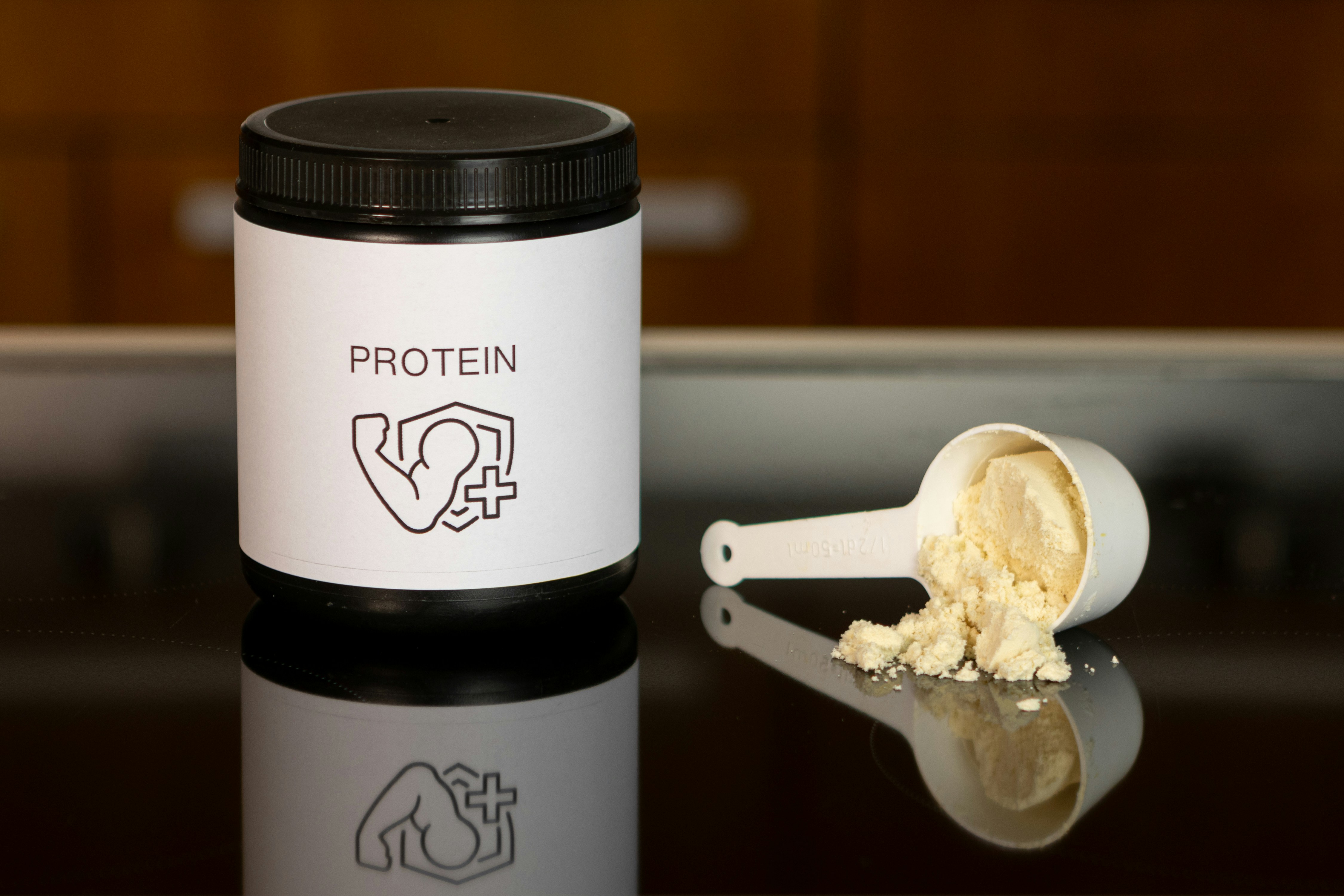


The Performance Cost of Poor Pre- and Post-Workout Nutrition
Many athletes face ongoing fatigue, reduced power output, and stalled muscle gains when they neglect pre and post workout nutrition around training. Depleted glycogen stores from low carbohydrate intake trigger early exhaustion during endurance work and limit lifting capacity in the gym. Insufficient protein before and after sessions slows repair processes, extending soreness and elevating injury risk for bodybuilders and competitors alike.
Hydration gaps worsen these effects, causing cramps and reduced focus under heavy loads. Data on elite performers reveals that small fueling shortfalls compound into clear losses in speed, strength, and recovery speed over weeks. The outcome includes extended rest requirements, frequent plateaus, and lower overall training quality.
In contrast, athletes who apply structured pre and post workout nutrition maintain steadier energy, faster glycogen replenishment, and improved muscle protein synthesis. Proper timing of carbs and protein supports higher session volumes without rapid burnout. Electrolyte-focused hydration strategies preserve cellular balance during demanding efforts.
Competitors following these methods experience quicker recovery between workouts and steady performance improvements. Research backs that consistent pre and post workout nutrition produces superior adaptations, body composition shifts, and resilience versus unplanned eating. This method converts regular training into dependable progress toward peak physical performance and accelerated recovery.
Pre-Workout Nutrition Strategies for Energy and Power
Consuming the right balance of nutrients before training maximizes energy availability and supports muscle performance. For pre and post workout nutrition plans, focus on carbohydrates to top up glycogen stores and protein to prime muscle protein synthesis. Athletes benefit from 1 to 4 grams of carbs per kilogram of body weight paired with 20 to 30 grams of protein in the pre-workout window according to timing guidelines.
Eat a complete meal containing carbs, protein, and some fat two to three hours before exercise. Examples include lean ground beef with brown rice and vegetables or an omelet with whole grain toast and fruit. A smaller option one to one and a half hours prior could be oatmeal with protein powder and banana. Within 45 to 60 minutes, quick choices like Greek yogurt with berries or a protein smoothie work well.
These strategies prevent hunger that reduces output while avoiding digestive discomfort. Endurance competitors rely on higher carb loads for sustained power, while bodybuilders prioritize protein to enhance recovery readiness. Hydration strategies for endurance include drinking water steadily leading into the session. Pre and post workout nutrition that includes this pre fueling step leads to better strength, speed, and overall session quality. Supplements such as caffeine or creatine may further boost performance when timed correctly.
Research confirms that pre workout meal timing optimizes glycogen use and reduces muscle breakdown during intense sessions. Bodybuilders often choose meals with moderate fat to sustain energy. Endurance athletes increase carb portions to 3 to 5 grams per kilogram for longer efforts. Pairing these choices with consistent pre and post workout nutrition creates superior training adaptations and gains.
Post-Workout Nutrition and Hydration for Recovery
After intense sessions, prioritizing pre and post workout nutrition speeds up muscle repair and glycogen restoration. The ISSN recommends 20 to 40 grams of high-quality protein every three to four hours combined with carbohydrates to optimize recovery for endurance and strength athletes. This timing helps rebuild damaged tissue and refill energy stores depleted by training.
Sample meals include egg omelets with avocado on whole grain toast or tuna salad on whole grain bread. These provide balanced carbs and protein without delaying digestion. Bodybuilders often add whey protein shakes mixed with fruit for rapid absorption of key nutrients.
Hydration strategies for endurance focus on replacing both water and electrolytes. Consuming fluids within two hours post workout aids performance and prevents dehydration effects. Electrolyte supplements bodybuilding athletes use supply sodium and potassium to maintain balance during heavy sweating.
Supplements for muscle recovery like creatine support power output when integrated into daily intake. Studies indicate that co-ingesting carbs and protein post exercise enhances insulin response and glycogen synthesis better than protein alone. Athletes applying these post workout recovery nutrition principles report less fatigue and improved subsequent session quality. Incorporating whole foods like salmon with sweet potatoes offers vitamins that aid overall recovery.
Consistent application alongside pre workout meal timing creates a complete fueling system that successfully drives peak physical performance and faster adaptation while reducing injury risk over time for dedicated athletes and competitors alike in every discipline.