

Health-conscious eaters and meal preppers often feel overwhelmed by conflicting nutrition messages. Trends change rapidly, and old advice creates unnecessary complexity around what to eat. People exploring dietary changes encounter the same barriers, leading to stalled progress and frustration.
The 2025-2030 dietary guidelines cut through this noise. They focus on real foods and balanced macronutrients supported by current research. Protein supports muscle health while fiber promotes digestion, as shown in studies from the American Gut Project. These guidelines also recommend choosing whole foods over processed options for better outcomes.
Limiting beliefs about complicated diets dissolve when following science-backed nutrition advice. The 2025-2030 dietary guidelines deliver practical frameworks instead of rigid rules. This shift allows steady energy, improved digestion, and sustainable habits.
Mastering macros through these guidelines produces clear results. Meal prep becomes straightforward with balanced plates that meet targets without constant calculation. You achieve visible improvements in how you feel and perform daily.
Reliable sources such as the USDA and Harvard confirm that updated standards reduce confusion. The outcome is confidence in choices and long-term success rather than temporary experiments.
Demystifying Macronutrients Using 2025-2030 Dietary Guidelines
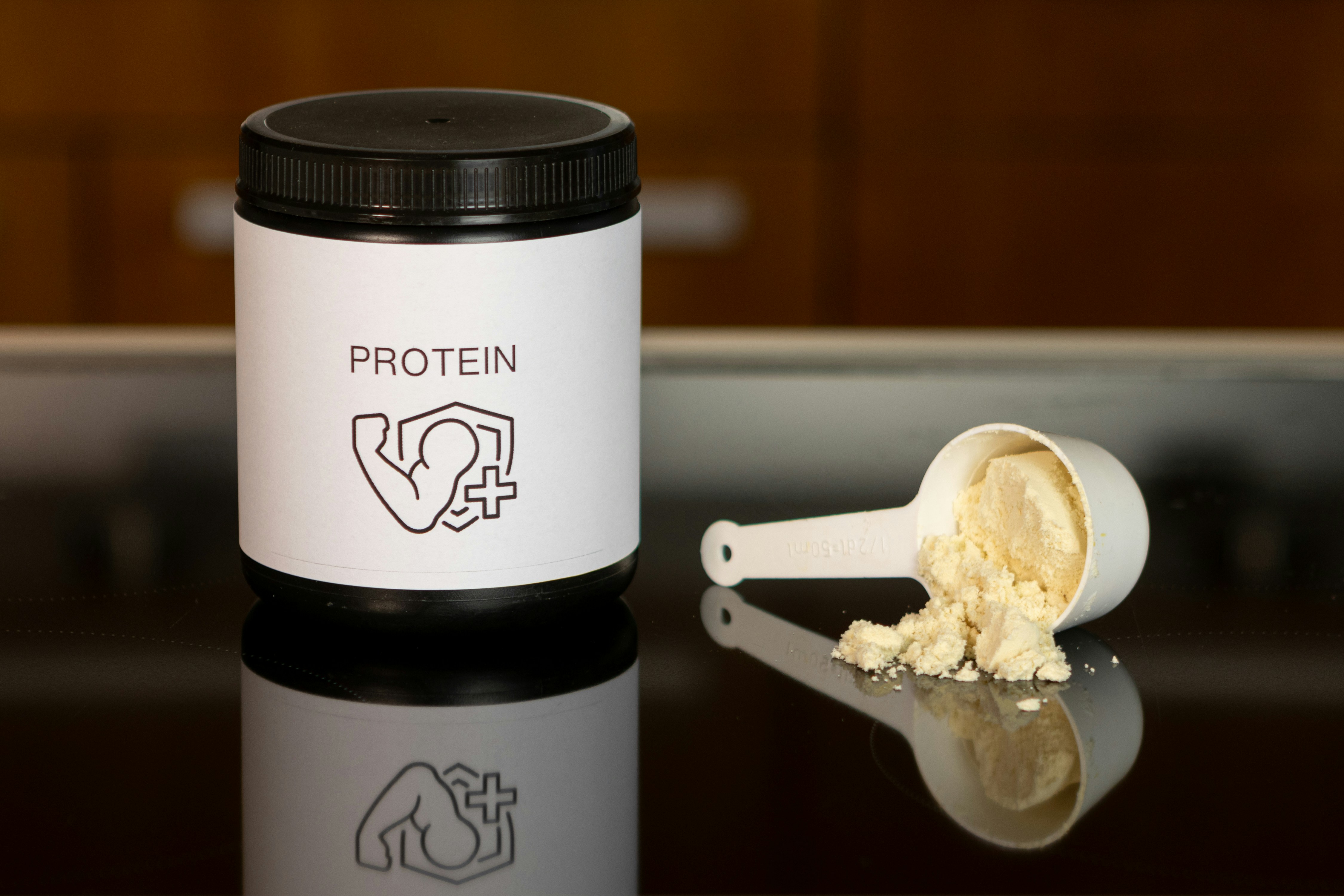
The 2025-2030 dietary guidelines clarify how protein, carbohydrates, and fats function together. Protein builds and repairs tissues while supporting muscle maintenance. Aim for sources such as poultry, fish, beans, and Greek yogurt to meet daily targets. These foods also deliver amino acids essential for recovery after activity.
Carbohydrates remain the primary energy source. The 2025-2030 dietary guidelines favor complex options like oats, quinoa, and sweet potatoes over refined grains. Pairing them with fiber improves digestion and blood sugar control. Fiber benefits extend to gut health, as noted in American Gut Project findings.
Fats support hormone production and nutrient absorption. Focus on avocados, olive oil, nuts, and fatty fish for omega-3s. The guidelines distinguish healthy fats from those in processed snacks and fried foods.
Whole foods vs processed items is a core distinction. Choosing minimally processed ingredients reduces intake of added sugars and preservatives. This shift aligns with science-backed nutrition advice for sustained energy and lower inflammation.
Balanced diet meal planning becomes simpler when each plate contains roughly one-quarter protein, one-half vegetables or fruit, and one-quarter whole grains plus healthy fats. Macronutrients explained this way remove guesswork for meal prep frameworks.
Harvard analysis of the guidelines shows these proportions support weight management and chronic disease prevention. Practical healthy eating guidelines 2026 encourage variety within food groups rather than strict elimination. Consistent application leads to better adherence and measurable health improvements over time.
Step-by-Step Meal Prep Frameworks for Balanced Eating
Following the 2025-2030 dietary guidelines turns meal prep frameworks into simple repeatable systems. Begin by calculating daily targets for protein, carbohydrates, and fats using the latest recommendations. Focus on whole foods to meet these targets efficiently.
Choose core ingredients that deliver protein and fiber benefits. Prepare batches of grilled chicken, lentils, quinoa, and roasted vegetables on one day. Portion everything into containers for grab-and-go meals throughout the week.
Assemble plates using the balanced ratios from the 2025-2030 dietary guidelines. Fill half with produce, one quarter with protein, and one quarter with whole grains plus healthy fats. This structure supports steady energy without constant tracking.
Harvard meal prep resources recommend labeling containers with dates and macros. Store proteins and grains separately from sauces to preserve texture. Reheat only what you need to reduce waste.
Rotate recipes weekly while staying within healthy eating guidelines 2026. Add variety through different herbs and spices rather than processed sauces. Review your energy and digestion each Sunday to fine-tune portions.
These steps create sustainable habits. Science-backed nutrition advice shows that consistent prep improves adherence to balanced diet meal planning and reduces reliance on takeout. The result is reliable nutrition that fits busy schedules.
Sources
- https://bigmountainfoods.com/blogs/news/the-only-healthy-eating-guide-youll-actually-use-in-2026
- https://www.cacfp.org/2026/01/08/2025-2030-dietary-guidelines-for-americans-released
- https://www.usda.gov/about-usda/news/press-releases/2026/01/07/kennedy-rollins-unveil-historic-reset-us-nutrition-policy-put-real-food-back-center-health
- https://www.hhs.gov/press-room/fact-sheet-historic-reset-federal-nutrition-policy.html
- https://medlineplus.gov/ency/article/002093.htm
- https://hsph.harvard.edu/news/understanding-the-new-dietary-guidelines-for-americans
- https://www.everydayhealth.com/diet-nutrition/scientific-benefits-of-meal-prepping
- https://www.brownhealth.org/be-well/meal-planning-101-how-eat-healthy-and-save-time-and-money
- https://nutritionsource.hsph.harvard.edu/meal-prep
- https://www.helpguide.org/wellness/nutrition/healthy-diet