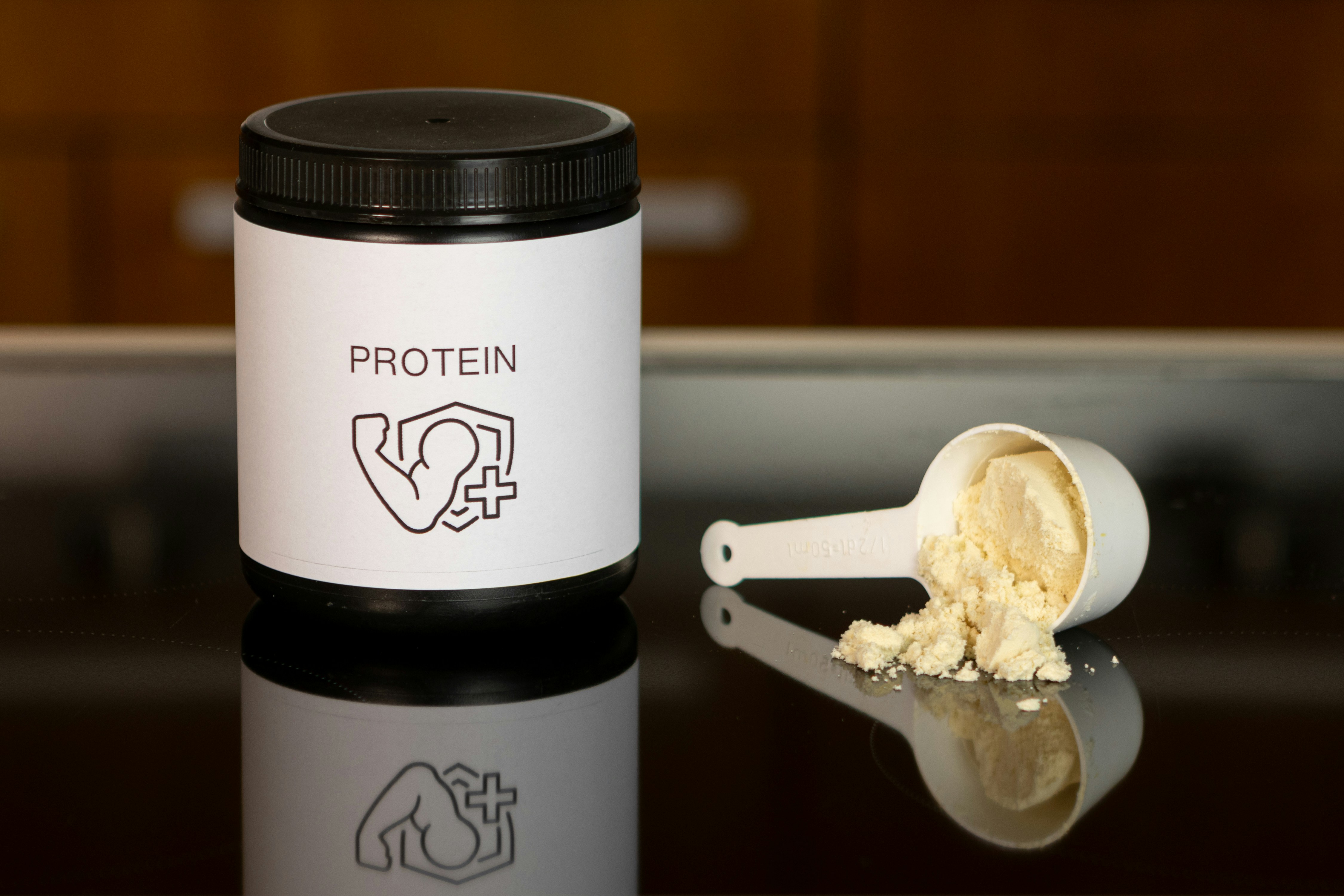


Many athletes struggle with low energy during workouts, slow recovery afterward, and stalled progress over months because they either consume too few calories overall or eat at the wrong times relative to training. This pattern shows up clearly when examining pre and post workout nutrition for athletes. Endurance competitors often arrive at long sessions with depleted glycogen because they skip carbohydrate-rich meals in the preceding hours. The result is elevated perceived effort, early fatigue, and reduced training quality. After the session, neglecting to eat carbs and protein promptly delays glycogen replenishment and muscle repair, especially when the next workout occurs within twelve hours.
Bodybuilders face parallel issues. Underfueling before lifts limits power output and total volume, while inadequate post-workout nutrition slows hypertrophy and strength development. The body becomes most responsive to nutrients immediately after exercise, yet many athletes wait hours before consuming a recovery meal. Hydration compounds these problems. Mild dehydration before or after sessions increases heart rate and prolongs soreness. Athletes who ignore electrolyte replacement during hot or extended efforts experience more cramping and slower return to baseline performance.
The common thread is misplaced focus. Competitors chase advanced sports nutrition supplementation or complicated pre workout nutrition timing plans while basic daily intake stays inconsistent. They prioritize pre workout supplements for performance without ensuring overall energy availability. The outcome appears in training data as declining session quality, lingering muscle soreness, and missed performance targets. Recognizing that consistent pre and post workout nutrition for athletes forms the foundation for adaptation allows athletes to break this cycle and unlock steadier gains across endurance and strength sports.
Quick-Win Pre-Workout Fueling Strategies for Endurance Sessions
Endurance athletes benefit most when pre and post workout nutrition for athletes emphasizes carbohydrates timed correctly before sessions. Focus on 1–4 hours prior to training for larger mixed meals containing 1–3 g carbohydrate per kg body weight. Choose low-fiber options such as white rice, oatmeal with banana, or toast with jam to minimize gastrointestinal distress while topping up glycogen stores.
Closer to start time, within 0–60 minutes, limit intake to 30–60 g fast-digesting carbs from sports drinks, gels, or a small banana. This approach maintains blood glucose without causing heaviness during high-intensity intervals or long runs. Hydration protocols matter equally; sip 5–7 ml fluid per kg in the 2–4 hours before exercise and add electrolytes for sessions exceeding 90 minutes or in heat.
These quick-win choices improve workout quality by preventing early fatigue and supporting consistent pacing. Athletes who apply pre workout nutrition timing this way report steadier energy and better adaptation over repeated sessions. Pairing these strategies with overall pre and post workout nutrition for athletes creates the foundation for sustained performance gains without complicated routines.
Practice the same foods and portions in training to confirm tolerance before race day. Simple adjustments like reducing fat and fiber near start time deliver immediate results for endurance competitors seeking reliable fueling.
Post-Workout Recovery Nutrition: Prioritizing the Glycogen Window
Post-workout recovery nutrition often outweighs pre-workout choices for athletes facing tight turnaround times between sessions. The glycogen window opens right after exercise, enabling faster carbohydrate uptake for roughly 30-60 minutes. Consuming 1-1.2 g of carbohydrate per kg of body weight along with 20-30 g of protein during this period speeds replenishment and aids muscle repair.
Endurance competitors training twice daily gain the largest advantage from this timing. A simple recovery drink containing carbs, protein, and electrolytes restores energy stores before the next effort begins. Bodybuilders likewise benefit when they fuel promptly to maximize protein synthesis following intense lifts. Skipping this window lengthens recovery and lowers the quality of subsequent training.
Hydration protocols complete the process. Replace sweat losses within four hours after exercise to sustain performance and reduce cramping risk. Practical options such as chocolate milk or rice paired with lean protein deliver results without complexity. Embedding these steps into pre and post workout nutrition for athletes supports steady adaptation across training cycles.
Athletes who emphasize post workout recovery nutrition report fewer energy dips and better long-term gains. Combining it with sound pre workout nutrition timing creates balanced fueling that protects both immediate output and next-day readiness.