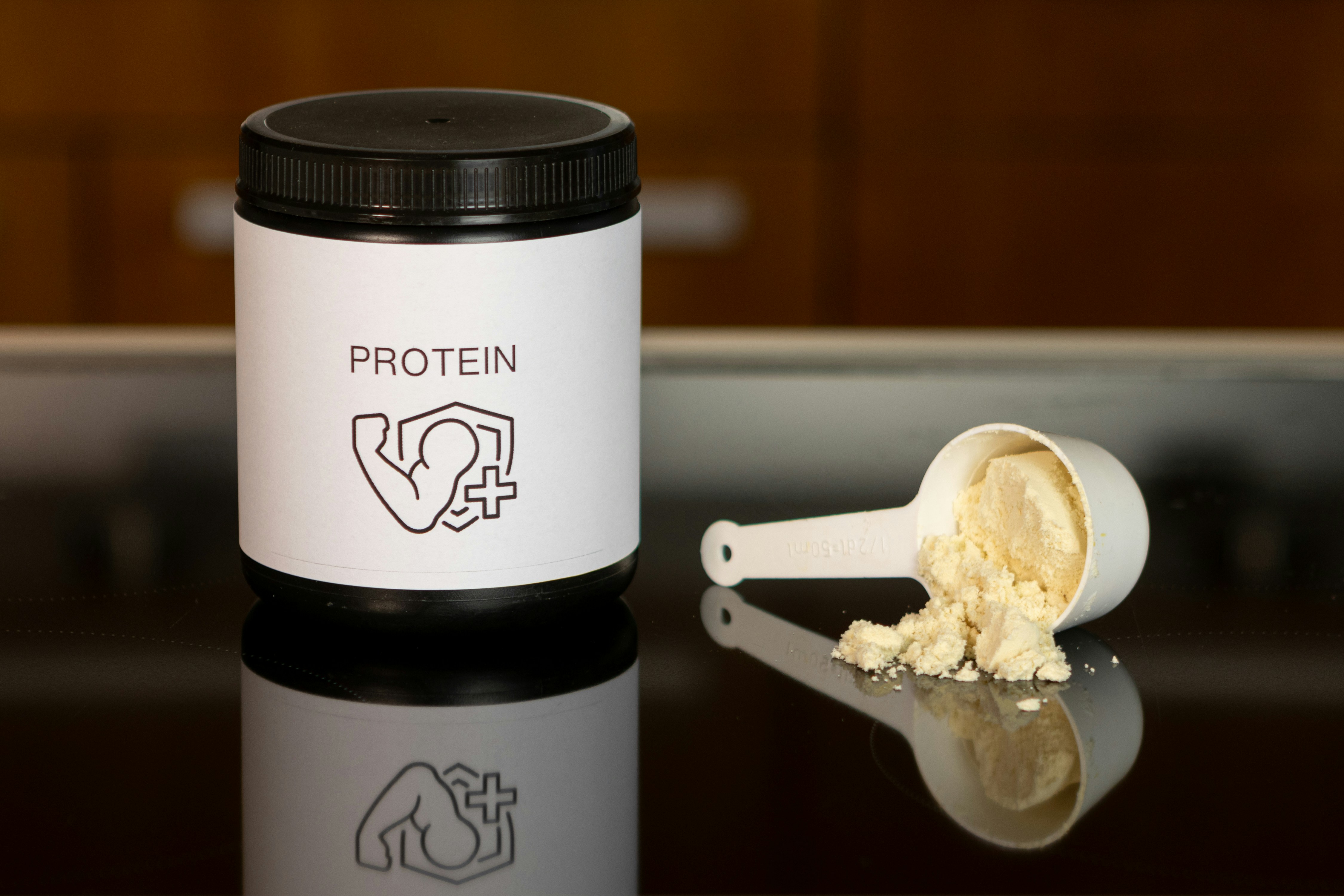


Athletes frequently hit walls mid-session or feel wiped out for hours afterward. Energy crashes stem from skipping strategic fueling before intense efforts. Without adequate carbohydrates in the hours leading up to training, blood sugar drops and performance suffers. Bodybuilders report prolonged muscle soreness when protein intake after sessions falls short of needs. Slow recovery also traces back to neglected hydration strategies for athletes, where electrolyte losses go unaddressed during heavy sweating.
Many overlook the role of pre and post workout nutrition in bridging these issues. Consuming 30 to 60 grams of carbs paired with 20 grams of protein 60 to 90 minutes pre-exercise supports steady energy output and prevents early fatigue. Post-session, a similar ratio within 30 minutes kickstarts glycogen replenishment and muscle repair. Sports nutrition supplements such as creatine and collagen further aid bodybuilders seeking faster adaptation and joint support.
Endurance competitors benefit when they prioritize higher carb and sodium fueling during long efforts. Intentional supplementation for bodybuilders including black ginger and electrolytes reduces inflammation and maintains fluid balance. Evidence shows that athletes who master carb and protein timing plus electrolyte intake for endurance cut recovery time significantly.
Optimized pre and post workout nutrition delivers measurable results. Training quality rises, injury risk drops, and strength gains accelerate. Consistent application turns common struggles into predictable progress toward peak physical performance.
Pre-Workout Fueling and Hydration Strategies for Sustained Energy
Endurance athletes often begin sessions underfueled when they skip strategic intake. Consuming 50 to 70 grams of carbohydrates two hours before training maintains blood glucose levels throughout long efforts. Pairing this with 15 to 20 grams of protein supports muscle preservation without slowing digestion. Electrolyte intake for endurance starts early by adding 300 to 500 milligrams of sodium to pre-workout fluids to offset sweat losses in hot conditions. Pre and post workout nutrition begins with consistent sipping of 500 milliliters of water containing electrolytes 60 minutes prior then topping up with 150 milliliters every 15 minutes during warm-up.
This approach prevents dehydration that impairs power output and focus. Sports nutrition supplements like creatine monohydrate taken pre-workout enhance strength for bodybuilders when 5 grams daily pairs with carbs. Carb and protein timing two hours out allows full glycogen loading while hydration strategies for athletes emphasize gradual fluid replacement over large volumes. Athletes who apply these pre workout energy strategies report sustained focus and reduced perceived effort across training blocks.
Higher carb and sodium fueling works best when started well before the session. Bodybuilders benefit from similar pre-session meals that include micronutrients to support recovery later. Evidence from multiple reviews confirms that intentional electrolyte and macronutrient intake before exercise improves both endurance capacity and strength metrics. Pre and post workout nutrition therefore serves as the foundation for avoiding mid-session crashes. Consistent application of these tactics leads to higher training quality and faster adaptation over time.
Post-Workout Recovery Nutrition, Supplementation, and Mistakes to Avoid
Athletes and bodybuilders maximize gains when they prioritize immediate post-session intake. Consume 20 to 40 grams of protein combined with 40 to 60 grams of carbohydrates within 30 minutes after training. This timing accelerates glycogen restoration and muscle repair. Pre and post workout nutrition continues here with targeted rehydration. Replace 1.5 liters of fluid for every kilogram of body weight lost through sweat while adding 500 milligrams of sodium to restore electrolyte balance.
Sports nutrition supplements enhance results when used correctly. Five grams of creatine daily supports strength gains. Collagen aids joint recovery for endurance competitors. Electrolytes and black ginger reduce inflammation. Supplementation for bodybuilders works best alongside whole-food meals rather than replacing them.
Common errors include delaying nutrient intake beyond the 30-minute window, neglecting hydration strategies for athletes, or skipping electrolytes during recovery. Over-reliance on supplements without proper carb and protein timing also slows progress. Athletes who avoid these mistakes experience faster recovery and fewer injuries.
Track body weight before and after sessions to guide fluid intake. Plan meals in advance to hit protein and carb targets consistently. Pre and post workout nutrition becomes effective only through repeated daily application. These steps turn training stress into measurable performance improvements for athletes, bodybuilders, and endurance competitors alike.
Sources
- https://www.sundried.com/blogs/nutrition/nutrition-and-supplements-for-fitness-in-2025
- https://nutrition.org/special-issue-from-current-developments-in-nutrition-sports-nutrition
- https://www.eatforendurance.com/post/sports-nutrition-trends-meghann-featherstun
- https://mywowfit.com/blog/pre-and-post-workout-nutrition-guide
- https://www.massgeneralbrigham.org/en/health-wellness/sports-and-nutrition
- https://pmc.ncbi.nlm.nih.gov/articles/PMC12297025
- https://www.rupahealth.com/post/nutritional-strategies-for-endurance-athletes-sustaining-energy-and-performance
- https://jockofuel.com/blogs/nutrition/what-is-the-best-post-workout-recovery-protocol-2026
- https://www.garagegymreviews.com/best-muscle-recovery-supplements
- https://www.mdpi.com/2072-6643/18/14/2327