![[FITX Magazine] Logo](https://fitxmagazine.com/wp-content/uploads/2024/07/FITX-Magazine-Logo-White.png)

Many people feel drained by midday due to irregular sleep, minimal movement and unmanaged stress. These issues compound, leaving everyday individuals searching for energy that seems out of reach. The good news is that transforming your days does not require dramatic lifestyle shifts. Small, consistent adjustments in healthy lifestyle habits can restore vitality without overwhelming your schedule.
Research from Stanford Medicine highlights how building strength training, consistent cardio, good sleep hygiene and stress management early creates a foundation for decades of better health. Five healthy habits to develop in your 20s and 30s shows that moving more, sitting less and prioritizing rest support everything from heart health to mental clarity.
Northwestern Medicine notes that realistic daily routines around sleep schedules, movement and breathing exercises lower risks of diabetes, heart disease and anxiety. Healthy Habits To Strengthen Your Daily Routine emphasizes starting with one or two changes, like a consistent wake time or short walks. Healthline offers practical stress reduction techniques such as limiting screen time before bed, practicing deep breathing and spending time in nature to ease anxiety.
Cleveland Clinic and MD Anderson stress darkness, cool temperatures and no screens for quality rest within healthy lifestyle habits. Mayo Clinic explains that enjoyable physical activity lowers stress hormones effectively. Harvard Health points to rhythmic movement and mindfulness practices like tai chi for anxiety relief. These elements combine into sustainable health habits that anyone can maintain. Adopting a consistent sleep schedule, daily movement exercises and stress relief breathing leads to steadier energy and improved focus. You will notice better mood and easier stress management within weeks when you focus on progress over perfection.
Easy Daily Movement and Stress Relief Habits That Fit Any Schedule
Short walks break up long periods of sitting and boost circulation quickly. Take a 10-minute stroll after lunch or during work breaks to refresh both body and mind. These daily movement exercises integrate easily into busy days and form the basis of healthy lifestyle habits.
Practice stress relief breathing to reset fast when tension builds. Inhale through the nose for four counts, hold briefly, then exhale slowly for four counts. Repeat three cycles whenever stress rises. Northwestern Medicine recommends integrating stress relief breathing into daily routines for steadier focus throughout the day.
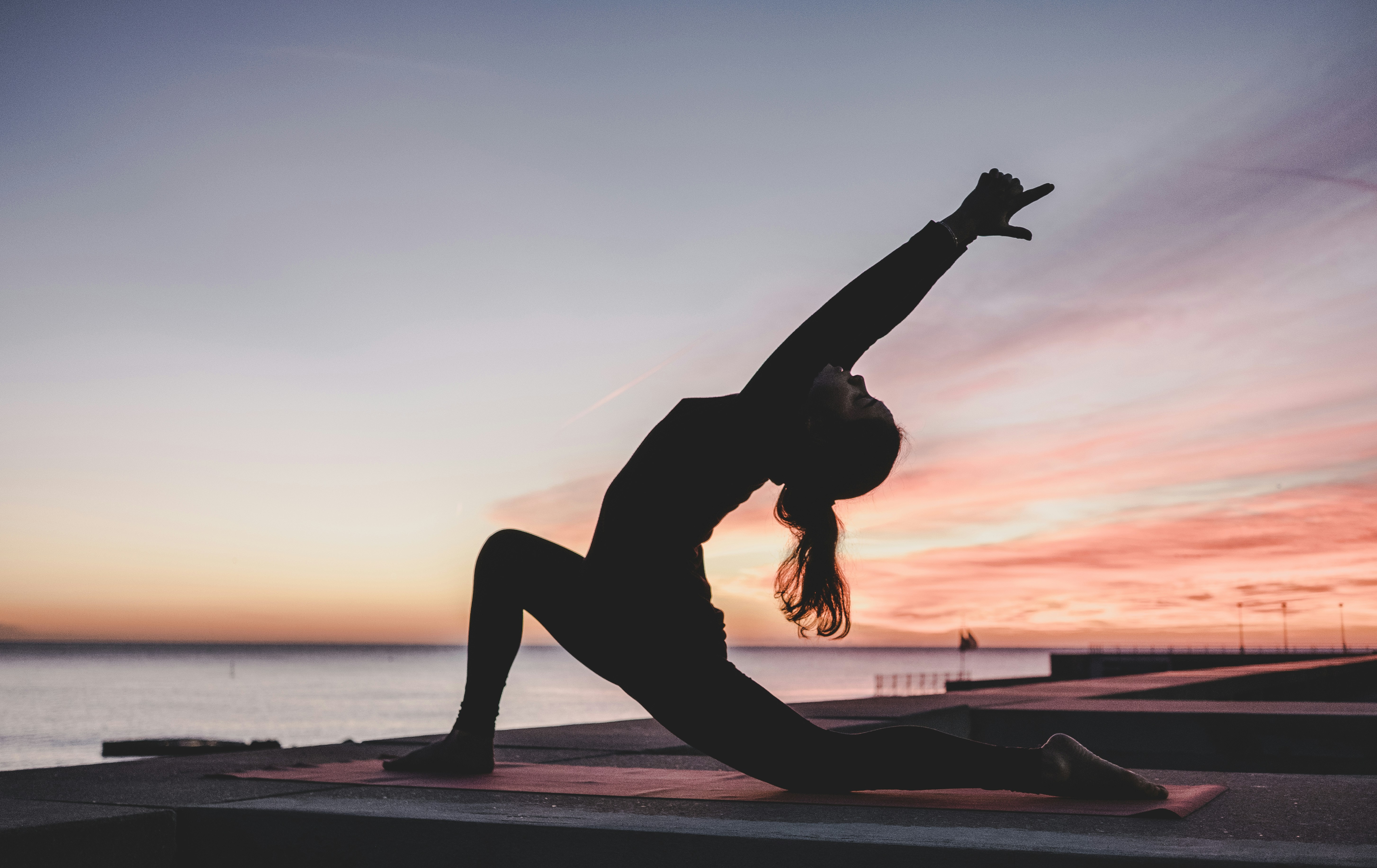
Mindful movement practices such as shoulder rolls or standing yoga poses release muscle tension without equipment. Harvard Health highlights how rhythmic motion paired with awareness reduces anxiety symptoms effectively. Five minutes at your desk suffices for noticeable calm and better concentration.
Mayo Clinic encourages selecting activities you enjoy like walking in a park or light dancing at home. Such choices increase adherence and contribute to sustainable health habits over time. Pairing movement with a quick gratitude note during the walk adds mental benefits.
Cleveland Clinic sleep hygiene connects daytime activity to improved nighttime rest. Avoid intense exercise close to bedtime and choose morning or afternoon sessions instead. Healthline suggests spending time in nature during walks to amplify stress reduction even in urban parks.
From Calm.com simple exercises like neck stretches or wrist rolls can be done seated. Consistent small efforts lead to lasting improvements in energy, mood and stress management when you prioritize progress over perfection.
Sleep Hygiene and Stress Reduction Steps Plus Common Mistakes to Avoid
Establish a consistent sleep schedule by going to bed and rising at the same times daily, including weekends. This anchors circadian rhythm and forms the core of healthy lifestyle habits. Target seven to nine hours nightly for optimal recovery.
Wind down one hour before bed with dim lights, no screens and light reading or stretching. These sleep hygiene tips signal the brain that rest is near and improve sleep onset.
Keep the bedroom cool at about 65 degrees, completely dark and quiet. Blackout curtains plus a fan create ideal conditions according to Cleveland Clinic and MD Anderson guidelines.
Add stress reduction techniques such as five minutes of stress relief breathing or quick journaling to release worries. Mindful movement practices earlier in the day further support better nighttime rest.
Avoid common pitfalls like weekend schedule shifts, late caffeine, heavy meals and screens in bed. Irregular timing builds sleep debt and undermines sustainable health habits.
When setbacks happen reset the following evening without judgment. Building healthy routines succeeds through steady repetition rather than perfection. Daily movement exercises completed before evening also enhance sleep depth.
FAQ
What if I cannot fall asleep? Leave bed for a calm low-light activity then return when drowsy.
How does movement aid sleep? Consistent daily movement exercises performed earlier improve sleep quality and reduce stress.
Sources
- https://med.stanford.edu/news/insights/2026/01/five-healthy-habits-to-develop-in-your-20s-and-30s.html
- https://www.nm.org/healthbeat/healthy-tips/health-benefits-of-having-a-routine
- https://www.healthline.com/nutrition/16-ways-relieve-stress-anxiety
- https://healthieru.unl.edu/news/10-daily-habits-reduce-stress
- https://www.mayoclinic.org/healthy-lifestyle/stress-management/in-depth/exercise-and-stress/art-20044469
- https://sydenhamclinic.com/health/10-best-sleep-tips-for-better-rest-in-2026
- https://health.clevelandclinic.org/sleep-hygiene
- https://www.mdanderson.org/cancerwise/healthy-sleep-habits.h00-159778812.html
- https://www.calm.com/blog/simple-movement-exercises
- https://www.health.harvard.edu/mental-health/how-to-reduce-stress-and-anxiety-through-movement-and-mindfulness