![[FITX Magazine] Logo](https://fitxmagazine.com/wp-content/uploads/2024/07/FITX-Magazine-Logo-White.png)

Many health-conscious eaters and meal preppers face the same roadblocks. Busy schedules lead to skipped meals or drive-thru choices that leave energy levels crashing. Cravings hit hard when meals lack balance, and the idea of tracking intake seems like extra work on top of an already full plate.
A common limiting belief is that macronutrients require complicated math or rigid diets. In reality, they are simply the carbs, protein, and fat your body needs in larger amounts for energy and structure. The Healthline guide on macronutrients shows these three provide calories and support daily functions without needing perfection every day.
Meal prep offers a practical bridge. Preparing balanced portions ahead reduces daily decisions and keeps protein sources, complex carbs, and healthy fats ready to go. Cleveland Clinic notes that batch cooking cuts stress and prevents reliance on less nutritious options.
Mastering a simple macro breakdown creates lasting change. You gain steady energy, better satiety, and meals that align with dietary guidelines. The outcome is a healthy eating framework that fits real life instead of fighting it. Science-backed nutrition turns confusion into clear, repeatable habits that support both short-term goals and long-term wellness.
Macronutrients Demystified: Carbs, Protein, and Fat Explained
Macronutrients supply the bulk of energy and materials your body uses for daily operations. Carbohydrates, protein, and fat each contribute unique benefits that support physical and mental performance. Learning their roles removes the mystery and supports better choices.
Carbohydrates serve as the main energy source, yielding 4 calories per gram. They fuel the brain, red blood cells, and muscles during activity. Prioritize complex varieties such as oats, brown rice, potatoes, fruits, and legumes for added fiber that aids digestion. The Dietary Guidelines recommend carbohydrates account for 45 to 65 percent of total calories to maintain optimal function.
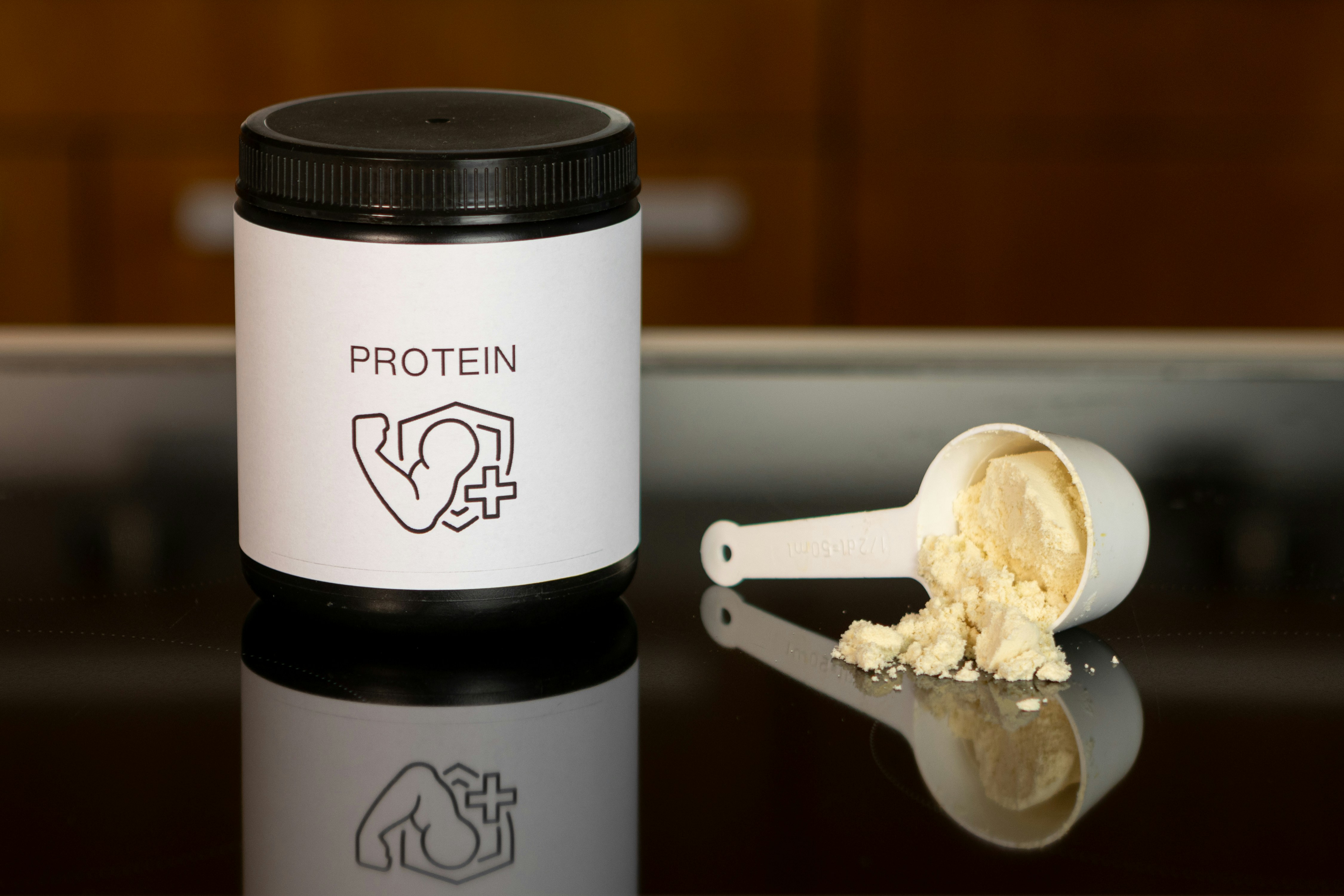
Protein provides 4 calories per gram and delivers essential amino acids needed for muscle repair, enzyme production, and hormone balance. Strong protein sources include chicken, turkey, fish, eggs, Greek yogurt, lentils, and tofu. Most adults require around 0.8 grams per kilogram of body weight, though higher intakes help preserve muscle during aging or intense training.
Fat offers 9 calories per gram and plays key roles in cell membrane integrity, vitamin absorption, and long-term energy storage. Beneficial options encompass olive oil, avocados, almonds, seeds, and salmon. The guidelines advise that fat comprise 20 to 35 percent of daily calories, favoring unsaturated types for cardiovascular support.
A clear macro breakdown based on these ranges creates the core of any healthy eating framework. When combined with meal prep, it simplifies adherence to science backed nutrition recommendations. This method promotes a balanced diet that matches individual activity levels and goals while delivering consistent results over time.
Build Your Healthy Eating Framework With Simple Meal Prep Strategies
Meal prep turns knowledge of macronutrients into daily action. Pick one consistent day each week with a few free hours. Begin with the single meal you find hardest to handle during busy periods.
Select microwave-safe airtight containers ahead of time. Use mason jars for layered salads and small separate jars for sauces. Portion soups or chilis into freezer-safe containers so extras stay fresh for later weeks.
Choose simple recipes that reuse ingredients across meals while covering carbs protein fat in each serving. Roast a batch of chicken or bake tofu alongside grains and vegetables. Add olive oil or seeds during cooking to include healthy fats without extra steps.
Create a focused grocery list that mixes fresh produce with frozen options and ready items like rotisserie chicken. This keeps shopping quick and prevents waste. On prep day, cook components in batches then divide everything evenly into containers.
Harvard strategies highlight the value of balanced plates built around vegetables, protein sources, and complex carbohydrates. Following these steps forms a healthy eating framework that matches dietary guidelines. The routine lowers daily stress and keeps macronutrients in consistent supply. Over weeks the practice becomes automatic and supports lasting dietary changes through science backed nutrition.
Sources
- https://www.healthline.com/nutrition/what-are-macronutrients
- https://health.clevelandclinic.org/a-beginners-guide-to-healthy-meal-prep
- https://nutritionsource.hsph.harvard.edu/meal-prep
- https://www.fna.usda.gov/cnpp/dietary-guidelines-americans
- https://hsph.harvard.edu/news/understanding-the-new-dietary-guidelines-for-americans
- https://www.who.int/news-room/fact-sheets/detail/healthy-diet
- https://www.nhs.uk/live-well/eat-well/food-guidelines-and-food-labels/the-eatwell-guide
- https://www.loyolamedicine.org/newsroom/blog-articles/how-meal-prep
- https://pmc.ncbi.nlm.nih.gov/articles/PMC7232892
- https://cdn.realfood.gov/DGA.pdf