![[FITX Magazine] Logo](https://fitxmagazine.com/wp-content/uploads/2024/07/FITX-Magazine-Logo-White.png)

Macronutrients—protein, carbohydrates, and fats—form the foundation of every meal. This macronutrients guide simplifies their roles for health-conscious eaters seeking balanced energy and vitality.
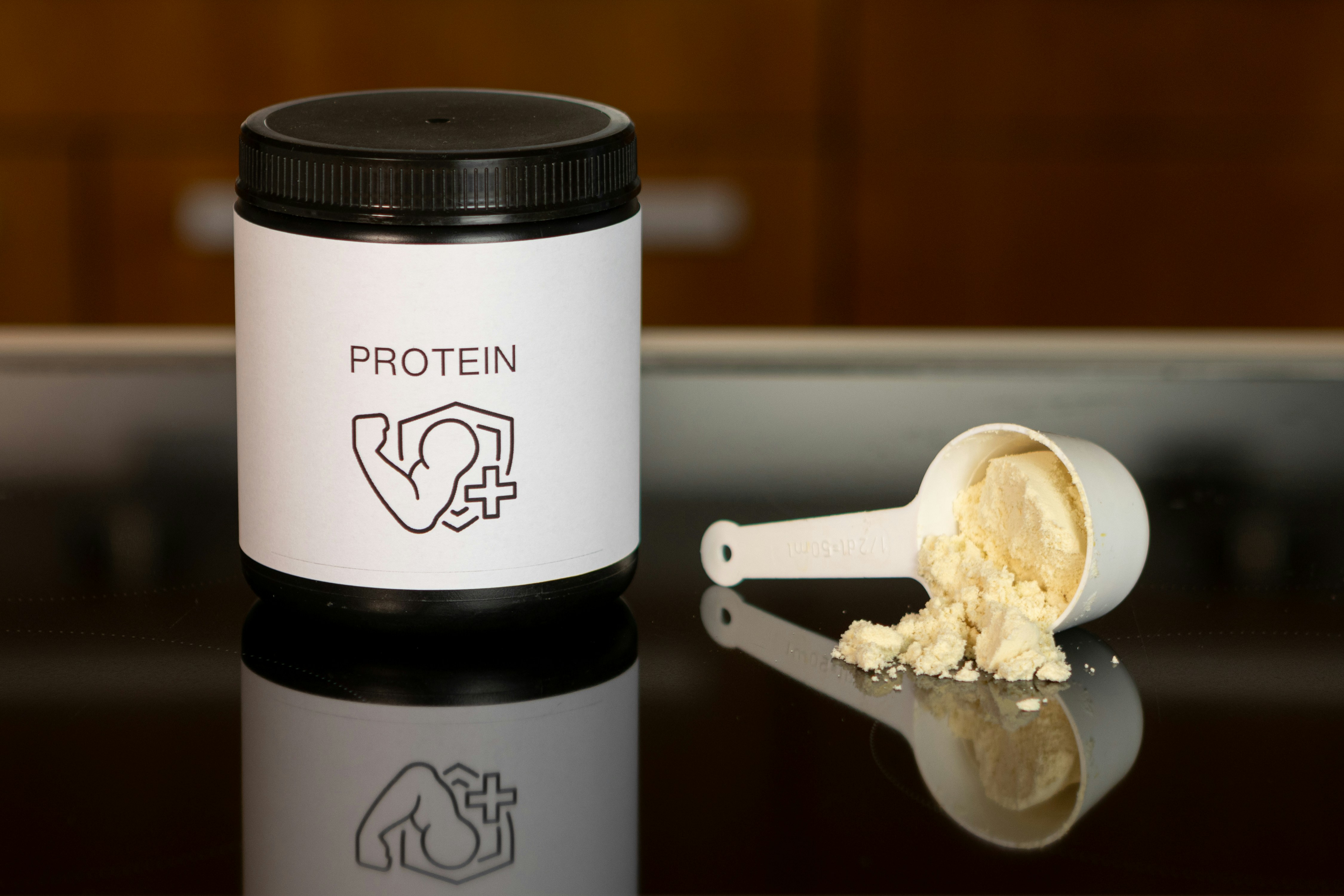
Protein constructs muscle, enzymes, and hormones while curbing hunger through high satiety. Recent 2025-2030 Dietary Guidelines recommend 1.2-1.6 grams per kilogram of body weight daily, up from prior minimums, aligning with Dr. Hyman’s analysis for muscle preservation and metabolic health. Prioritizing protein yields quick wins: sustained energy, better recovery, and effortless portion control.
Carbohydrates power high-intensity activities via glycogen stores. Opt for fiber-rich sources like whole grains, fruits, and vegetables over refined options. The guidelines urge limiting processed carbs, emphasizing quality for steady blood sugar.
Fats support cell membranes, hormone production, and nutrient absorption. Focus on unsaturated sources—avocados, nuts, olive oil, fatty fish—for heart health, while capping saturated fats at 10% of calories per Harvard experts.
Ideal ratios flex by needs: protein-first (25-35% calories), fats 20-35%, carbs filling the rest within 45-65% per this macronutrients guide. A balanced macros diet starts with protein targets, then adjusts others.
Science-backed nutrition shows hitting protein consistently enhances satiety and muscle health, setting the stage for sustainable changes. Use this framework to decode labels and build meals that fuel your day.
2025-2030 Dietary Guidelines: Science-Backed Advice on Processed Foods, Sugars, and Protein
The 2025-2030 Dietary Guidelines emphasize ‘eat real food,’ explicitly rejecting highly processed foods like salty snacks, sugary cereals, and ready-to-eat meals. Harvard experts praise this stance, linking ultra-processed items to obesity and disease via excess calories and poor nutrient profiles.
Added sugars face stricter limits: no recommended amount in healthy diets, with no meal exceeding 10g. This drops from prior 10% daily calories (50g on 2,000kcal diet). Avoid sugar-sweetened beverages entirely; children skip added sugars until age 10. Implementation tip: read labels, swap soda for water infused with fiber-rich foods like berries.
Protein recommendations update to 1.2-1.6g/kg body weight—50-100% higher than minimums—for muscle maintenance, satiety, and aging. Dr. Hyman highlights eggs, meat, seafood alongside plants. For a 70kg person, aim 84-112g daily. Prioritize in every meal for science-backed nutrition outcomes.
Fats remain balanced: saturated under 10% calories. Full-fat dairy fits if portions stay moderate; pair with unsaturated sources like olive oil, nuts, omega-3 fish per Canyon Ranch.
This macronutrients guide integrates these shifts into a balanced macros diet. Practical tips:
- Limit processed foods: Choose whole over packaged; cook from scratch.
- Boost protein: High protein meal prep like sheet pan chicken fajitas (Peanut Butter and Fitness) or Greek bowls.
- Sugar swap: Fruit for sweets; unsweetened yogurt.
Evidence shows these changes cut chronic disease risk, enhance energy. Track intake via apps, adjust for activity. Sustainable health starts here.
High-Protein Meal Prep Frameworks for Busy Health-Conscious Eaters
Busy schedules demand efficient strategies. High protein meal prep aligns with 2025-2030 dietary guidelines, prioritizing 1.2-1.6g/kg protein while incorporating fiber-rich foods and limiting processed foods.
Start with sheet pan chicken fajitas, a staple in Peanut Butter and Fitness’s top preps. Toss chicken breasts, bell peppers, onions, and spices on one tray. Bake at 425°F for 25 minutes. Serve over brown rice and black beans for 40g protein, balanced carbs, and veggies per bowl. Customize: swap chicken for tofu in vegan versions or use cauliflower rice for low-carb.
Power bowls offer versatility. Layer grilled chicken or salmon with quinoa, roasted broccoli, avocado, and chickpeas. Each hits protein intake recommendations (30-50g), unsaturated fats, and fiber for satiety. Per Colorado Nutrition Counseling, rotate three proteins, carbs, and veggies weekly to prevent boredom.
Storage tips ensure freshness: use glass containers; fridge-cook proteins and grains 3-4 days, roasted veggies 3 days, soups 4-5 days. Freeze portions in airtight bags up to three months; thaw overnight. Reheat gently to retain moisture.
This macronutrients guide framework supports a balanced macros diet. Batch-cook Sundays: proteins first, then carbs and veggies. Science-backed nutrition proves consistency boosts muscle health and energy without overwhelm. Tailor for dietary changes—gluten-free grains or plant-based swaps—and sustain healthy eating effortlessly.
Sources
- https://fuelnutrition.app/blog/complete-guide-to-macronutrients
- https://nutritionsource.hsph.harvard.edu/2026/01/09/dietary-guidelines-for-americans-2025-2030/
- https://drhyman.com/blogs/content/america-s-new-dietary-guidelines-get-the-big-picture-right-and-that-s-a-big-deal
- https://www.peanutbutterandfitness.com/best-meal-preps-of-2025/
- https://www.coloradonutritioncounseling.com/the-best-meal-prep-guide-for-2026/
- https://www.classpop.com/magazine/meal-prep-ideas
- https://www.cleaneatzkitchen.com/a/blog/the-complete-meal-prep-guide
- https://blog.myfitnesspal.com/nutrition-trends-2026-rd-predictions/
- https://canyonranch.com/well-stated/post/2026-dietary-guidelines-heart-health
- https://www.frontiersin.org/journals/nutrition/articles/10.3389/fnut.2026.1784021/full