![[FITX Magazine] Logo](https://fitxmagazine.com/wp-content/uploads/2024/07/FITX-Magazine-Logo-White.png)

Health-conscious eaters, meal preppers, and those exploring dietary changes drown in 2026’s nutrition noise. Keto promises fat burn, carnivore claims simplicity, GLP-1 drugs dominate headlines, and the upside-down food pyramid flips old rules. TikTok trends clash with Harvard studies, leaving you confused about what fuels balanced energy, satiety, and long-term health.
This macronutrients guide 2026 cuts the chaos. Protein, carbohydrates, fats, and fiber—the core macros—provide a simple, science-backed framework. Mastering them demystifies diets, enabling sustainable changes without extremes.
The 2025-2030 US Dietary Guidelines emphasize protein at 1.2-1.6 g/kg daily for adults, prioritizing it for muscle preservation and fullness. This shift aligns with research showing higher protein aids weight management and recovery.
Carbs focus on quality: fiber-rich whole grains, legumes, and veggies over refined sources. Fiber, 2026’s breakout macro, supports gut health, stabilizes blood sugar, and enhances satiety—key for weight loss.
Healthy fats from avocados, nuts, and fish underpin hormone production and nutrient absorption, debunking low-fat myths (Big Mountain Foods guide).
For meal preppers, this means macro-balanced templates: 30g protein per meal, fiber-packed sides, flexible carbs. Track once weekly, adjust for energy. No perfection needed—just consistency yields results like steady weight, better mood, effortless adherence.
Embrace this macronutrients guide 2026. Ditch trends for timeless science. Your path to sustainable healthy eating begins now.
Demystifying Protein, Carbs, Fats, and Fiber: 2026 Science Update
The 2026 US Dietary Guidelines flip the pyramid, placing protein and fats at the base for sustainable healthy eating. This macronutrients guide 2026 unpacks each macro’s science-backed roles.
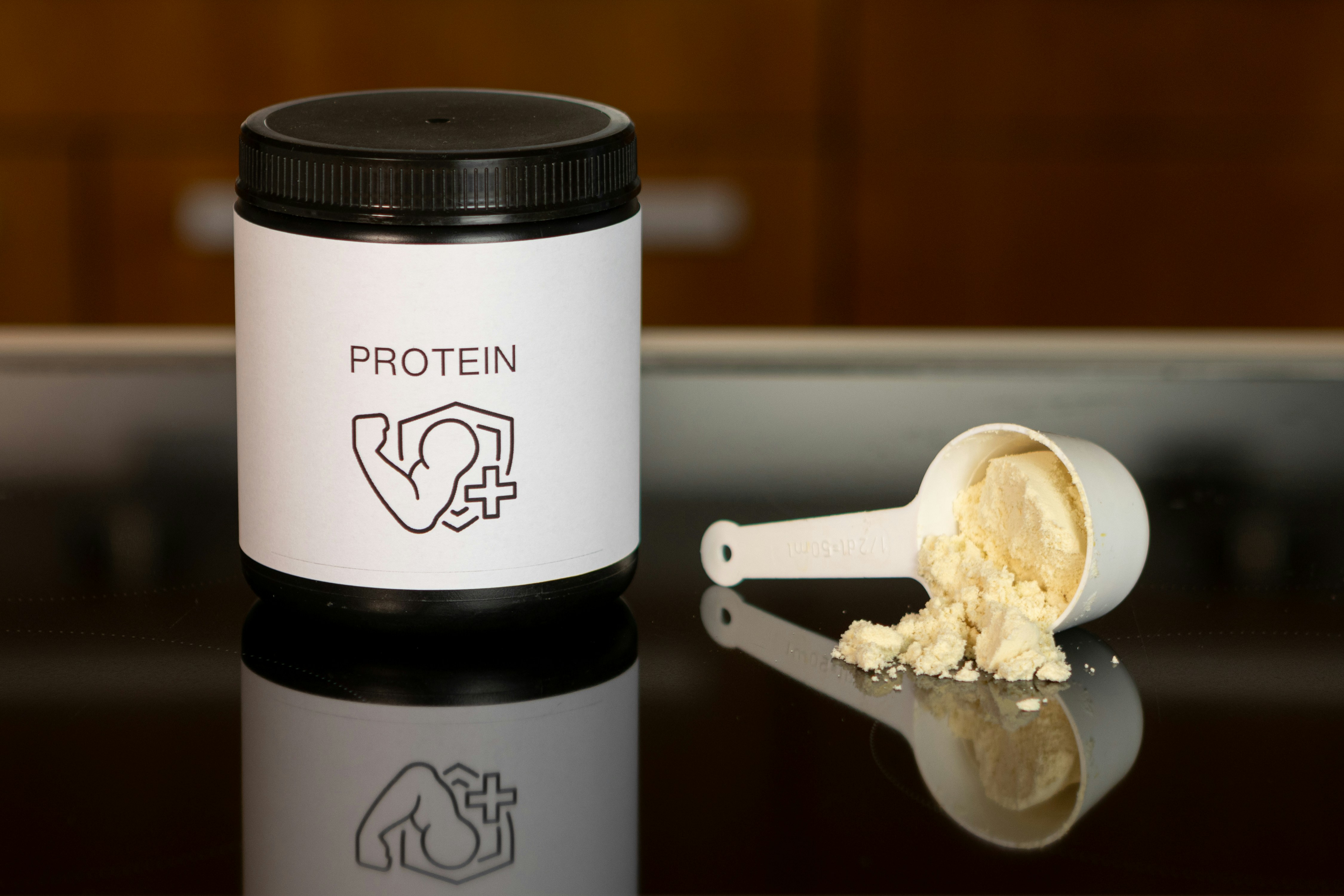
Protein builds muscle, enzymes, and hormones while boosting satiety via high thermic effect. New guidelines target 1.2-1.6 g/kg body weight daily—higher than the 0.8 g/kg RDA—for adults, especially active ones and older populations. Meta-analyses confirm 1.6-2.2 g/kg optimizes resistance training gains and fat loss preservation (Fuel Nutrition). Spread 20-40g per meal for maximal synthesis.
Carbohydrates fuel high-intensity activity via glycogen. Prioritize fiber-rich sources: whole grains, legumes, fruits, vegetables over refined. The AMDR is 45-65% calories, but quality trumps quantity. Poor carbs spike blood sugar; paired with protein/fat, they stabilize energy.
Fats at 9 kcal/g support hormones, cell membranes, vitamin absorption. AMDR 20-35% calories; minimum 0.5-0.6 g/kg. Emphasize unsaturated: olive oil, nuts, fish for heart health. The guidelines loosen saturated fat fears, favoring whole-food matrices over processed low-fat (Radiance Functional Medicine).
Fiber, 2026’s star, isn’t fully caloric like other carbs (~2 kcal/g). Soluble lowers cholesterol; insoluble aids regularity; fermentable feeds gut bacteria. Aim 25-30g daily for 15-30% reduced mortality risk, weight control, gut health (Yahoo Health). Sources: chia (39g/cup), beans, oats.
This balanced diet framework via macronutrients guide 2026 delivers science-backed nutrition: protein anchors, carbs flex, fats essential, fiber vital. For weight loss macros, high protein + fiber excels over low-fat alone.
Practical Meal Prep Frameworks and Quick Wins for Healthy Eating
Transform understanding macronutrients into macro balanced meal prep. This macronutrients guide 2026 delivers high protein meal ideas and templates aligned with 2026 US dietary guidelines.
Step-by-Step Framework:
Calculate Targets: Use body weight for protein (1.2-1.6g/kg), fat (0.5g/kg min), fiber (25-30g). Fill carbs to calories. Apps simplify.
Batch Core Components: Cook proteins Sunday: grilled chicken (30g/serving), tofu (20g), eggs. Prep veggies: broccoli, spinach. Grains: quinoa, oats.
Assemble Balanced Meals: Aim 25-40g protein/meal, 8-10g fiber, healthy fats.
High Protein Meal Ideas:
- Breakfast: Greek yogurt parfait with chia seeds, berries (35g protein, 12g fiber).
- Lunch: Quinoa bowl with chickpeas, avocado, greens (28g protein, 15g fiber) (Oregon State guide).
- Dinner: Salmon, sweet potato, asparagus (40g protein, 10g fiber).
- Snack: Cottage cheese + apple (20g protein, 5g fiber).
Common Mistakes to Avoid:
- Neglecting dietary fiber benefits: Leads to constipation, hunger.
- Carb overload without protein: Blood sugar crashes.
- Ignoring healthy carbs vs fats balance: Skimps satiety.
Quick Wins:
- Add chia/flax (10g fiber/tbsp) to smoothies.
- Freeze portions for grab-and-go.
- Rotate plants for gut health fiber (30+ weekly).
Personalize: Track intake 7 days via app. Adjust for energy, weight. Science-backed nutrition ensures sustainable healthy eating—consistency over perfection.
Sources
- https://fuelnutrition.app/blog/complete-guide-to-macronutrients
- https://www.nynutritiongroup.com/nutrition-blog/2026/2/11/the-new-2026-us-dietary-guidelines-welcome-to-the-upside-down-food-pyramid
- https://bigmountainfoods.com/blogs/news/the-only-healthy-eating-guide-youll-actually-use-in-2026
- https://mightymeals.com/blog/best-healthy-meal-preps/
- https://blogs.oregonstate.edu/footprint/start/?id=fat-vs-carbs-for-weight-loss-which-macronutrient-science-favors-in-2026
- https://health.yahoo.com/wellness/nutrition/weight-loss/articles/fiber-2026s-macronutrient-heres-type-204600557.html
- https://www.llcc.edu/news/2026-nutrition-trends
- https://www.pbrc.edu/news/media/2026/dash-diet-us-news-2026.aspx
- https://blogs.oregonstate.edu/wander/a-realistic-2026-guide-to-meal-prepping-high-protein-lunches-for-busy-weeks/
- https://radiancefunctionalmedicine.com/understanding-the-new-2026-dietary-guidelines/