![[FITX Magazine] Logo](https://fitxmagazine.com/wp-content/uploads/2024/07/FITX-Magazine-Logo-White.png)

You’ve likely chased fad diets promising rapid results, only to slam into a stubborn weight loss plateau. Scales stall despite your efforts, frustration builds, and pounds creep back. This cycle plagues most dieters, with only 10-20% maintaining long-term success.
Physiological culprits include adaptive thermogenesis—your metabolism slows beyond fat loss predictions—and hormonal shifts like dropping leptin while ghrelin rises, fueling hunger. StatPearls details these mechanisms, emphasizing why calorie cuts alone fail.
Sustainable weight loss flips the script through body recomposition: simultaneously losing fat and building muscle. Muscle elevates resting metabolic rate, burning more calories daily Cleveland Clinic. No fad diets required—just smart, evidence-based changes.
Key pillars:
- High-protein intake (1.6-2.2g/kg): Preserves muscle, boosts satiety via glucagon and PYY Healthline.
- Strength training: 2-4 sessions weekly drives lean gains Transparent Labs.
- Food quality: Prioritize fiber, protein over mere calories for gut health and efficiency Oregon State.
Break plateaus by cycling calories, adding steps (7,000-10,000 daily), and behavioral tracking, backed by Look AHEAD study outcomes Michael Moody.
This guide delivers actionable strategies for safe fat loss, muscle gain, and metabolic health—empowering sustainable weight loss without extremes.
Body Recomposition: Lose Fat While Building Muscle
Body recomposition transforms sustainable weight loss by enabling simultaneous fat loss and muscle gain, optimizing body composition without fad diets. This lifestyle shift focuses on high-protein nutrition and resistance training to preserve muscle, enhance satiety, and elevate metabolism.
Prioritize protein at 1.6–2.2g per kg body weight daily. It fuels muscle protein synthesis, counters metabolic slowdown from deficits, and promotes fullness via glucagon and PYY hormones Healthline. Distribute evenly: eggs, poultry, fish, Greek yogurt, legumes. Pair with fiber-rich foods for gut microbiome support and superior metabolic efficiency over calorie counting alone Oregon State.
Strength training is essential. Perform 3–5 sessions weekly emphasizing compounds: squats, deadlifts, bench presses, rows, overhead presses. Use 8–12 reps, progressive overload by increasing weights 5–10% weekly. This builds lean mass, boosting resting metabolic rate since muscle burns more calories than fat Cleveland Clinic; Transparent Labs.
Maintain mild calorie deficit (300–500kcal) most days, with 1–2 higher-carb refeed days to sustain energy and hormones, preventing weight loss plateaus.
Quick wins:
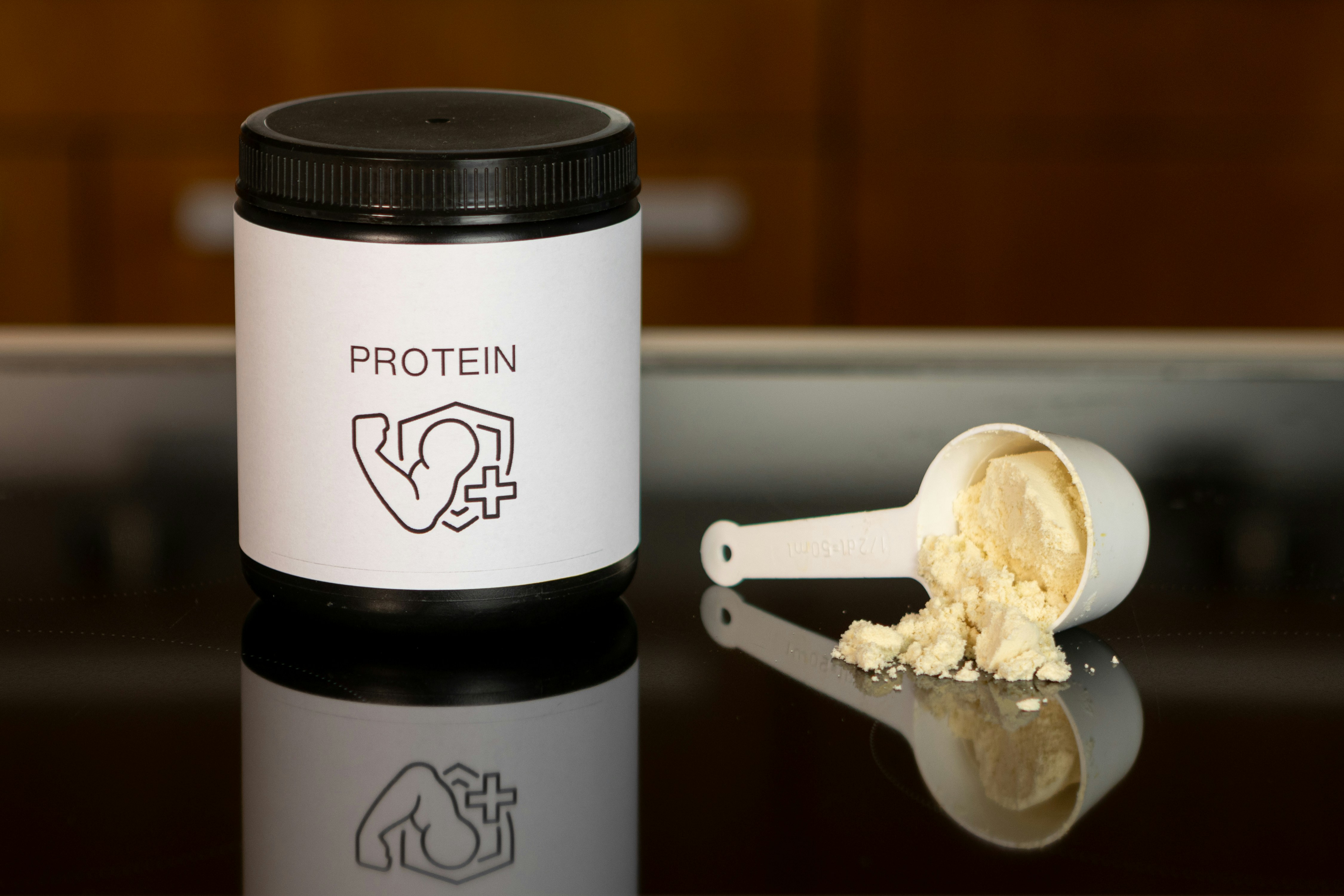
- Protein shake post-workout.
- Track lifts, not just scale.
- Add 10,000 steps daily.
These strategies deliver measurable body recomposition, fostering metabolic health for enduring sustainable weight loss.
Overcoming Plateaus and Long-Term Weight Management Tips
Weight loss plateaus strike when progress halts despite adherence, often due to metabolic adaptations. Adaptive thermogenesis reduces resting energy expenditure beyond fat-free mass loss, while leptin drops and ghrelin rises, intensifying hunger StatPearls. Plateaus affect 85% of dieters, typically 6 months into efforts.
Troubleshoot common pitfalls: calorie creep from untracked bites, reduced non-exercise activity thermogenesis (NEAT), or muscle loss lowering metabolism. Reassess intake via food diaries; recalculate needs post-weight loss.
Overcoming weight loss plateaus demands multifaceted strategies for sustainable weight loss:
- Calorie cycling: Alternate 300-500kcal deficits with refeed days to reset hormones and boost metabolism.
- Ramp NEAT: Aim 7,000-10,000 steps daily, backed by Look AHEAD for long-term outcomes Michael Moody.
- Prioritize resistance: 200+ minutes weekly preserves muscle, enhancing calorie burn Cleveland Clinic.
- Nutrient timing: High-protein meals (1.2-1.5g/kg) with fiber sustain satiety ResearchGate.
Behavioral anchors ensure longevity: self-monitoring via apps, realistic goals (0.5-1% body weight weekly), motivational interviewing. ADA standards endorse nutrition, activity, and coaching for metabolic health Diabetes Journals.
Next steps:
- Log 7 days’ intake/activity.
- Schedule 3 strength sessions.
- Consult pros for pharmacotherapy if stalled.
FAQs:
- How long until results? 4-12 weeks with consistency.
- Refeeds derail progress? No—sustain adherence.
- Scale stuck? Measure waist, track strength.
Embed these for enduring sustainable weight loss and body recomposition.
Sources
- https://www.michaelmoodyfitness.com/personaltrainersfitnessanddietblog/sustainable-weight-loss-strategies-2026
- https://blogs.oregonstate.edu/wander/in-2026-eating-for-weight-loss-requires-more-than-just-calorie-counting/
- https://www.ncbi.nlm.nih.gov/books/NBK576400/
- https://www.healthline.com/nutrition/body-recomposition
- https://diabetesjournals.org/care/article/49/Supplement_1/S166/163915/8-Obesity-and-Weight-Management-for-the-Prevention
- https://www.researchgate.net/publication/392295239OvercomingWeightLossPlateausEvidence-BasedNutritionalandBehavioralStrategies-ANarrative_Review
- https://www.transparentlabs.com/blogs/all/body-recomposition-how-to-lose-fat-and-gain-muscle
- https://my.clevelandclinic.org/health/body/21893-metabolism
- https://www.knownwell.co/blog-posts/weight-loss-resolution
- https://www.healthline.com/nutrition/best-weight-loss-programs