![[FITX Magazine] Logo](https://fitxmagazine.com/wp-content/uploads/2024/07/FITX-Magazine-Logo-White.png)
For decades, the image of getting fit was synonymous with expensive gym memberships, complex machines, and crowded locker rooms. Today, a powerful revolution is reshaping fitness, one living room at a time. The convergence of innovation, accessibility, and a desire for simplicity has propelled home workouts and minimal equipment training from a makeshift solution to a first-choice strategy for millions. This isn’t just a trend; it’s a fundamental shift in how people approach their health. By ditching the commute and the intimidation factor, individuals are discovering a more sustainable, personal, and effective path to strength and vitality. This guide explores why this movement is dominating and delivers practical tips to build your own powerhouse routine with little more than a few square feet of freedom.
The Rise of the Home Fitness Revolution: Why Now?
The shift toward domestic training was accelerated by global events but fueled by enduring, inherent advantages. The traditional gym model often presented barriers: cost, time, self-consciousness, and inflexibility. Home workouts with minimal equipment systematically dismantle these barriers.
At its core, this revolution is powered by accessibility. Your gym is always open, has exactly one member, and has no dress code. This removes the single biggest obstacle to consistency: friction. When your “gym” is ten steps away, the mental hurdle of “going to work out” nearly disappears. Furthermore, the rise of intelligent, scalable equipment and the vast library of online guidance—from YouTube trainers to sophisticated fitness apps—have provided the knowledge structure that was once the gym’s main offering. People aren’t just exercising at home; they’re educating themselves, becoming their own coaches, and developing a deeper understanding of their bodies.
Key Benefits of Minimal Equipment Home Training
Choosing to train at home with limited gear isn’t about settling for less; it’s about choosing more of what actually matters.
- Unbeatable Convenience & Consistency: Your schedule is the only schedule. This consistency is the ultimate driver of results, far more than any single piece of fancy equipment.
- Significant Cost Savings: Eliminate monthly fees, travel costs, and the pressure to buy expensive branded gear. A one-time investment in a few key items saves thousands long-term.
- Reduced Intimidation & Increased Focus: For beginners or those returning to fitness, the private, pressure-free environment is invaluable. It allows you to focus on form and mind-muscle connection without distraction.
- Maximized Time Efficiency: The 30 minutes you save on a commute is your workout. This efficiency makes fitness a sustainable part of a busy life.
- Ultimate Personalization: Your routine, your music, your pace. This personal connection fosters a positive relationship with exercise, making it a rewarding practice rather than a chore.
Your Minimal Equipment Arsenal: Building a Budget-Friendly Home Gym
You don’t need a room full of iron. These versatile, space-efficient tools form the foundation of endless effective workouts.
| Equipment | Primary Use | Why It’s Essential |
|---|---|---|
| Resistance Bands | Strength, activation, assistance | Incredibly versatile for adding load to squats, rows, and presses. Lightweight and portable. |
| Adjustable Dumbbells | Full-body strength | Condenses a full rack of weights into one footprint. The ultimate space-saver for progressive overload. |
| Pull-Up Bar (Doorway) | Back, biceps, core strength | Provides the crucial vertical pulling motion often missing in home workouts. |
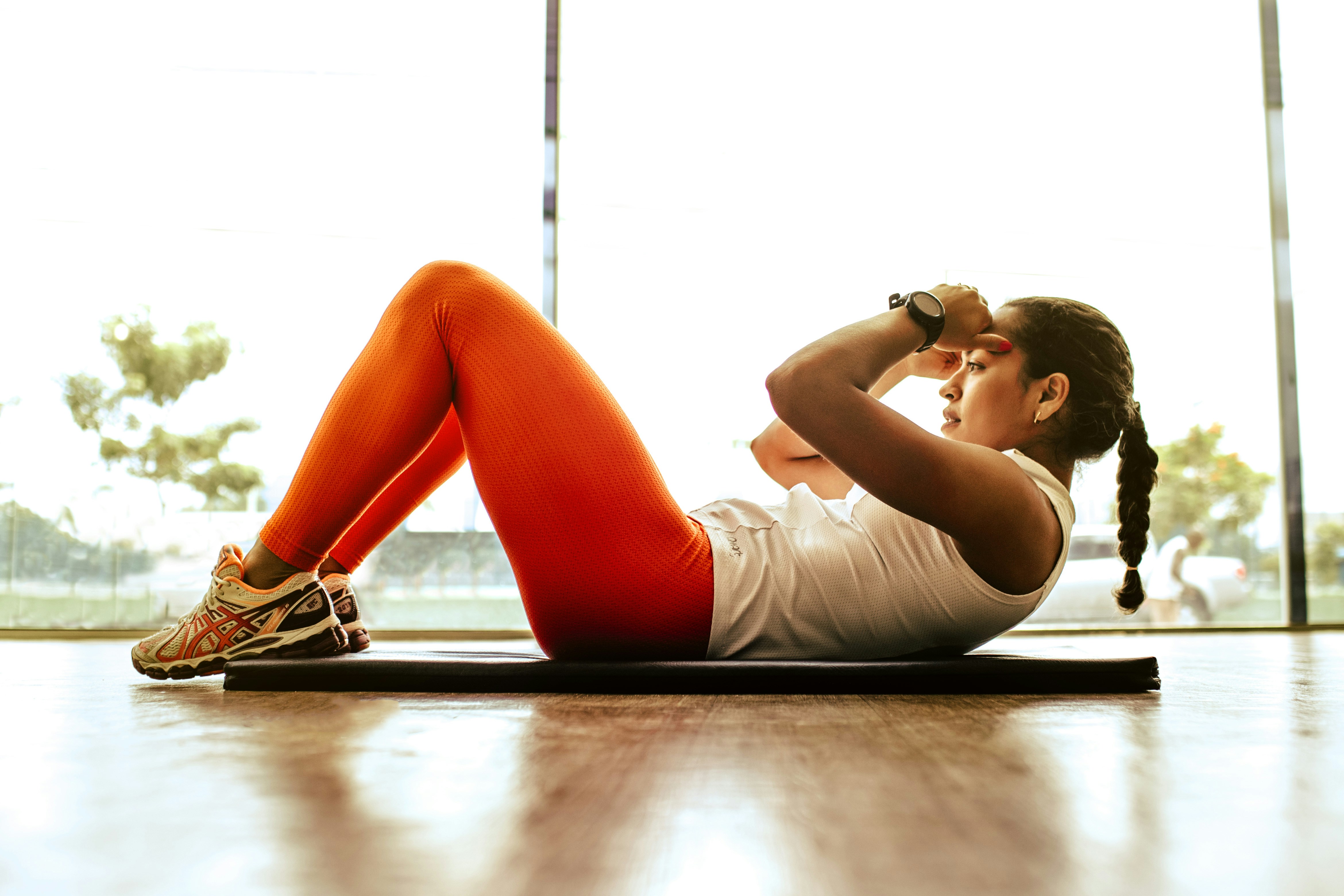
| Yoga Mat | Floor work, comfort, stability | Defines your workout space and provides cushioning for core and flexibility work. |
| Kettlebell (or one Dumbbell) | Dynamic, full-body power | Excellent for swings, goblet squats, and Turkish get-ups—movements that build functional strength and cardio. |
The Most Powerful Tool: Your Bodyweight. Never underestimate exercises like push-ups, squats, lunges, planks, and burpees. Master these before adding external load.
Practical Tips for Structuring Your Effective Home Workout Routine
An effective plan is your roadmap. Without it, you risk random, inefficient sessions.
Crafting Your Weekly Schedule
A balanced approach prevents injury and ensures progress. A simple split could be:
- Day 1: Lower Body Focus (Squats, Lunges, Glute Bridges)
- Day 2: Upper Body Push & Core (Push-ups, Overhead Press, Planks)
- Day 3: Active Recovery (Walking, Yoga, Stretching)
- Day 4: Upper Body Pull & Full Body (Rows with bands, Pull-up attempts, Kettlebell Swings)
- Day 5: Full Body Circuit & Cardio (Burpees, Mountain Climbers, Jump Squats)
- Days 6 & 7: Rest or Light Activity
The Blueprint of a Single Session
- Dynamic Warm-up (5-10 mins): Arm circles, leg swings, cat-cow stretches, torso twists. Prepare your body, don’t just stretch it.
- Main Strength Work (20-30 mins): Focus on 3-5 compound movements. Perform 3-4 sets of 8-15 reps. Example: Goblet Squats, Push-ups, Bent-Over Rows, Plank.
- Conditioning/Finisher (5-10 mins): High-intensity intervals. Example: 30 seconds of Jumping Jacks, 30 seconds rest, repeat for 5 rounds.
- Cool-down & Static Stretch (5 mins): Focus on muscles worked. Hold stretches for 30-45 seconds.
The Principle of Progressive Overload
To get stronger and fitter, you must gradually challenge your body. At home, you can achieve this by:
- Increasing Reps or Sets: Go from 3 sets of 10 to 3 sets of 12.
- Reducing Rest Time: Shorten rest intervals from 60 seconds to 45.
- Slowing the Tempo: Take 4 seconds to lower into a squat.
- Using More Resistance: Switch to a heavier band or dumbbell.
- Mastering Advanced Variations: Move from knee push-ups to standard push-ups to decline push-ups.
Common Mistakes to Avoid in Your Home Training Journey
- Skipping the Warm-up and Cool-down: This drastically increases injury risk and hampers recovery. Your living room workout isn’t an exception to physiology.
- Neglecting Form for Reps: Without a mirror or coach, it’s easy to get sloppy. Film yourself occasionally or follow detailed tutorial videos to ensure quality movement.
- Lacking a Plan (The “Random Act of Exercise”): Wandering from one exercise to another yields minimal results. Follow a structured program.
- Underestimating Recovery: Your muscles grow and adapt during rest. Overtraining at home is easy because access is so simple. Schedule rest days.
- Ignoring the Mind-Muscle Connection: Use the quiet focus of your home environment to truly feel the target muscles working. This improves effectiveness dramatically.
Frequently Asked Questions (FAQs)
1. Can I really build muscle with just bodyweight and bands?
Absolutely. Muscle growth is stimulated by mechanical tension and fatigue, which you can create through challenging variations (like pull-ups, pistol squats progressions, and band-resisted presses) and achieving reps close to failure. For significant hypertrophy, adjustable dumbbells become very useful.
2. How do I stay motivated without a gym environment?
Create rituals: set your space, put on your workout clothes, follow a specific playlist or video program. Track your progress in a notebook—seeing improvements in reps, weight, or how you feel is a powerful motivator. Consider virtual workout buddies for accountability.
3. What’s the single best piece of equipment to buy first?
A set of good quality resistance bands with handles and door anchor. They are the most versatile, affordable, and space-efficient tool for adding resistance to virtually every movement pattern.
4. How long should my home workouts be to be effective?
A focused, intense session can be extremely effective in just 30-45 minutes. It’s about quality and intensity, not duration. Consistency with 3-5 of these sessions per week yields far better results than sporadic 90-minute workouts.
5. Is online programming or an app worth it?
For most people, yes. A quality app (like Fitness Blender, Caliber, or Peloton App) provides structured progression, variety, and expert guidance, eliminating the “what should I do today?” problem and helping you apply progressive overload safely.
6. How do I train legs effectively without a heavy squat rack?
Focus on unilateral (single-leg) movements like Bulgarian split squats, lunges, and step-ups. These are brutally effective and can be made challenging with just dumbbells or a kettlebell. Don’t neglect hinge patterns like Romanian deadlifts with bands or weights.
Conclusion: Your Fitness, Your Space, Your Rules
The revolution in home workouts and minimal equipment training is ultimately a democratization of fitness. It places the power, convenience, and results directly in your hands—and your living room. By embracing the principles of consistency, intelligent programming, and progressive overload, you can build a stronger, healthier, and more resilient body without ever stepping foot in a traditional gym. Start by auditing your space, investing in one or two key pieces of versatile equipment, and committing to a simple, scheduled plan. Remember, the best workout is not the one that happens in the most expensive facility; it’s the one you actually do, week after week. So, roll out your mat, grab your bands, and redefine what it means to train on your own terms. Your home is now your headquarters.