![[FITX Magazine] Logo](https://fitxmagazine.com/wp-content/uploads/2024/07/FITX-Magazine-Logo-White.png)
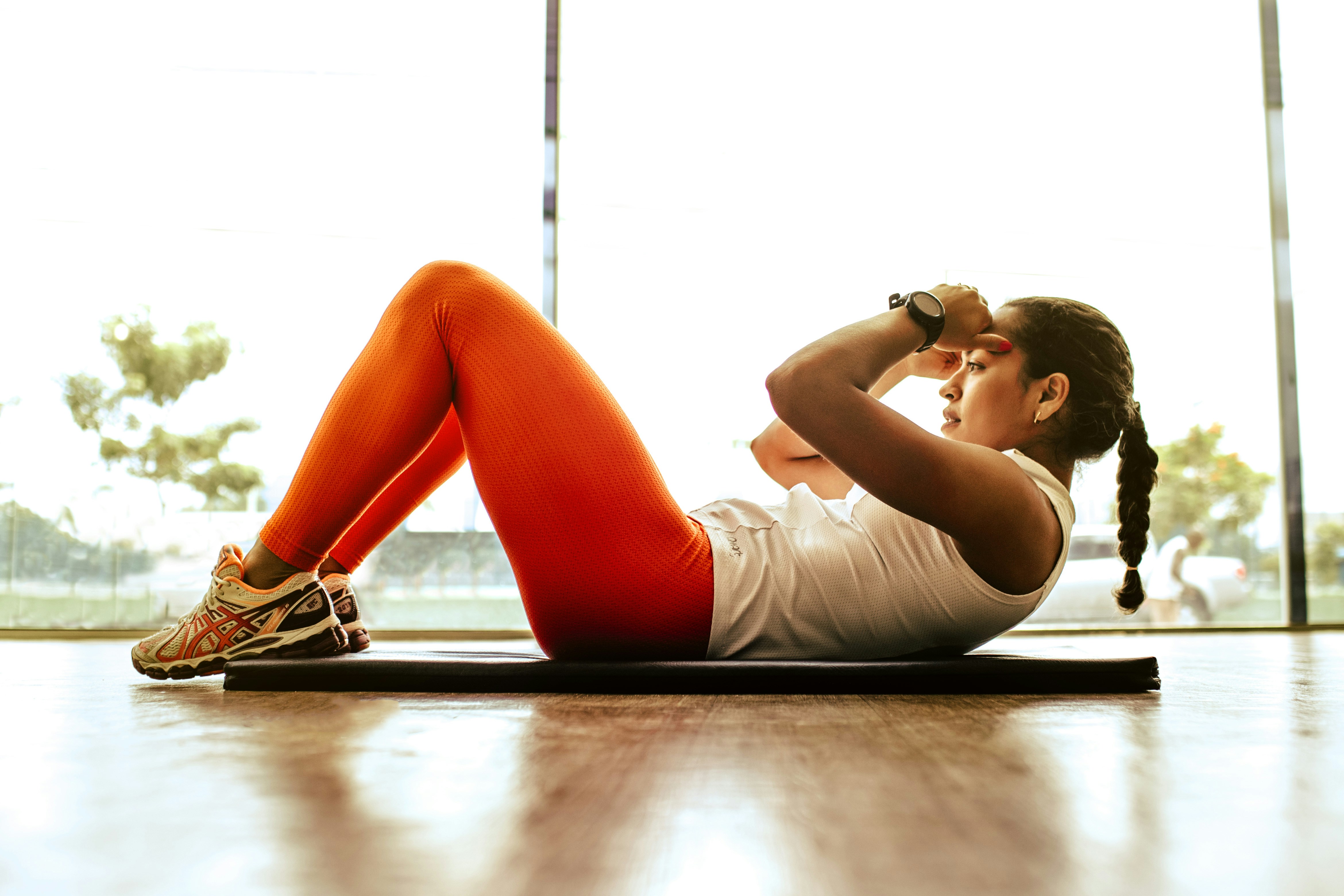
In the past, fitness was synonymous with gym memberships, heavy machines, and structured environments. But things have changed—and they’re not going back. People are discovering that you can build muscle, lose fat, and stay healthy with minimal equipment, a small space, and the right strategy.
Home workouts are no longer a “temporary solution.” In 2026, they’ve become a primary method for millions worldwide due to:
- Busy schedules
- Rising gym costs
- Preference for privacy
- Remote work lifestyles
- On-demand fitness apps
- Personalized online coaching
- Low-cost training alternatives
The shift is redefining what it means to be fit.
The Advantages of Home Workouts: Why They Work So Well
Home fitness offers benefits traditional gyms can’t match.
Convenience
No commute. No waiting for machines. No gym hours.
You train when you want, how you want.
Cost-Effectiveness
A basic setup—resistance bands, dumbbells, a mat—costs less than two months of gym fees.
Flexibility
Workouts adapt to your lifestyle, not the other way around.
Comfort and Privacy
For beginners, this is huge. No fear of being judged or watched.
Consistency
When barriers disappear, habits grow stronger.
How Minimal Equipment Training Improves Results
Minimal equipment doesn’t mean minimal progress. In fact, it often improves:
Better Functional Strength
Bodyweight and minimal tools develop natural, everyday movement patterns.
Increased Core Activation
Without machines stabilizing you, your body works harder.
Higher Workout Efficiency
Compound movements and short, intense sessions build muscle and burn fat faster.
Mobility and Flexibility Integration
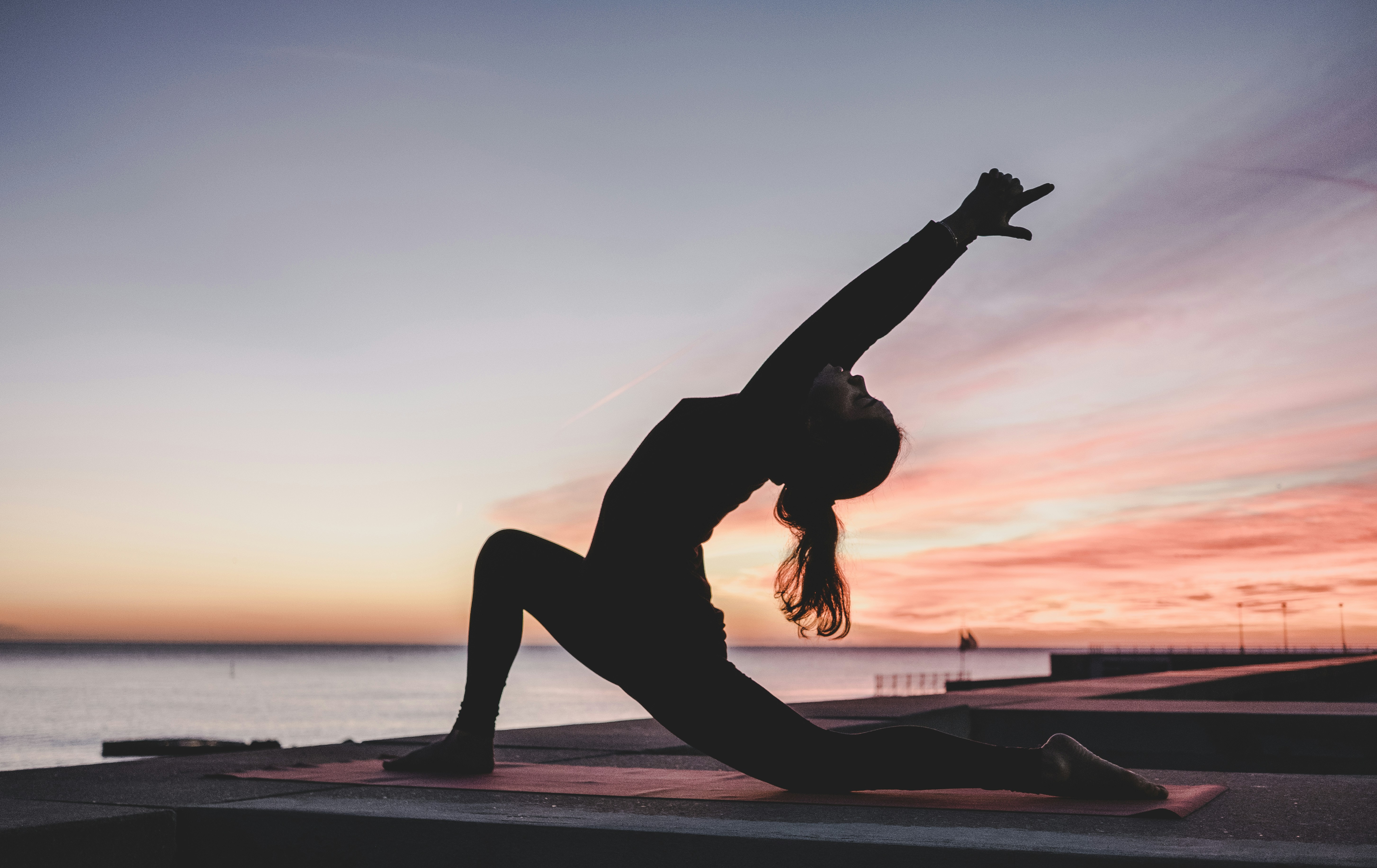
Home routines often blend stretching, yoga, and strength—creating balanced fitness.
Essential Equipment for an Effective Home Workout Setup
You don’t need a home gym. You only need smart tools.
Resistance Bands
Perfect for strength, mobility, and rehab.
Affordable and travel-friendly.
Adjustable Dumbbells
Save space, add versatility, and can replace dozens of traditional weights.
Yoga Mat
Necessary for floor work, stretching, stability, and comfort.
Kettlebell
One kettlebell unlocks hundreds of explosive strength and cardio exercises.
Pull-Up Bar (Optional)
Great for upper body development, grip strength, and core work.
Jump Rope
One of the most efficient fat-burning tools on the planet.
This minimal setup is enough to transform your body.
How Home Workouts Are Changing Modern Training Styles
Fitness trends in 2026 look different because of home workout culture.
Hybrid Training
Combines strength, mobility, HIIT, and bodyweight conditioning for complete fitness.
Functional Fitness Focus
Exercises mimic real-life movement patterns:
pushing, pulling, squatting, rotating, carrying.
Micro Workouts
Short 5–10 minute workouts layered throughout the day for busy people.
Online Coaching & Virtual Classes
Influencers, trainers, and apps guide people at home with professional programming.
Holistic Wellness Approach
Home training naturally integrates recovery:
stretching, meditation, breathing work.
Practical Tips to Maximize Your Home Workouts
Here are actionable strategies to improve performance, stay consistent, and get results.
Create a Dedicated Workout Space
Even a small corner signals your brain:
“It’s time to train.”
Keep equipment visible.
Remove distractions like the TV or phone alerts.
Follow a Structured Plan
Random workouts → random results.
Plan your weekly schedule:
- Strength (2–3 days)
- HIIT or cardio (2 days)
- Mobility/stretching (daily, 5–10 min)
Structure creates accountability.
Learn Proper Form
Use mirrors, tutorial videos, and slow controlled reps.
Avoid rushing. Good technique prevents injury and enhances results.
Progress Gradually
Increase:
- Reps
- Weight
- Intensity
- Range of motion
- Time under tension
Small progressions = long-term transformation.
Master Bodyweight Training
Before equipment, master the basics:
- Push-ups
- Squats
- Planks
- Lunges
- Burpees
- Hip bridges
These build strength, endurance, and stability.
Use Time-Based Workouts
Perfect for home:
- 20 minutes
- 25 minutes
- 30 minutes
Example:
40 seconds work + 20 seconds rest
Repeat for 4–6 rounds.
You can get a killer workout without long sessions.
Track Your Progress
Use a notebook or app to track:
- Reps
- Weights
- Workout frequency
- Body measurements
- Energy levels
Progress tracking increases motivation and consistency.
Prioritize Recovery
At home, people often skip recovery.
But it’s vital.
Add:
- Stretching
- Foam rolling
- Breathing exercises
- Sleep
- Hydration
Your body repairs itself during rest.
Mix Strength, Cardio & Mobility
A balanced home workout routine includes:
- Strength training (muscle building)
- HIIT/cardio (fat burning + conditioning)
- Mobility (pain-free movement)
This combination delivers maximum results.
Sample Home Workout Routines You Can Try Today
Beginner Full-Body Routine
- Squats – 12 reps
- Push-ups – 8–10 reps
- Glute bridges – 15 reps
- Shoulder taps – 20 reps
- Marching in place – 1 minute
Repeat 3 rounds.
Minimal Equipment Strength Routine
- Dumbbell goblet squat – 12 reps
- Resistance band rows – 15 reps
- Kettlebell swings – 20 reps
- Dumbbell overhead press – 10 reps
- Plank – 40 seconds
Repeat 4 rounds.
10-Minute HIIT (No Equipment)
- Jump squats – 30 sec
- Mountain climbers – 30 sec
- Push-ups – 20 sec
- High knees – 40 sec
- Plank – 30 sec
Rest 60 sec
Repeat.
The Mental Health Benefits of Home Training
Home workouts reduce stress and improve emotional wellness.
They help with:
- Anxiety relief
- Better sleep
- Improved self-confidence
- Higher mood and energy
- Consistent discipline
Movement is therapy—and home workouts make it easier to tap into that daily.
Nutrition Tips to Boost Your Home Workout Results
Training is half the journey. Nutrition completes it.
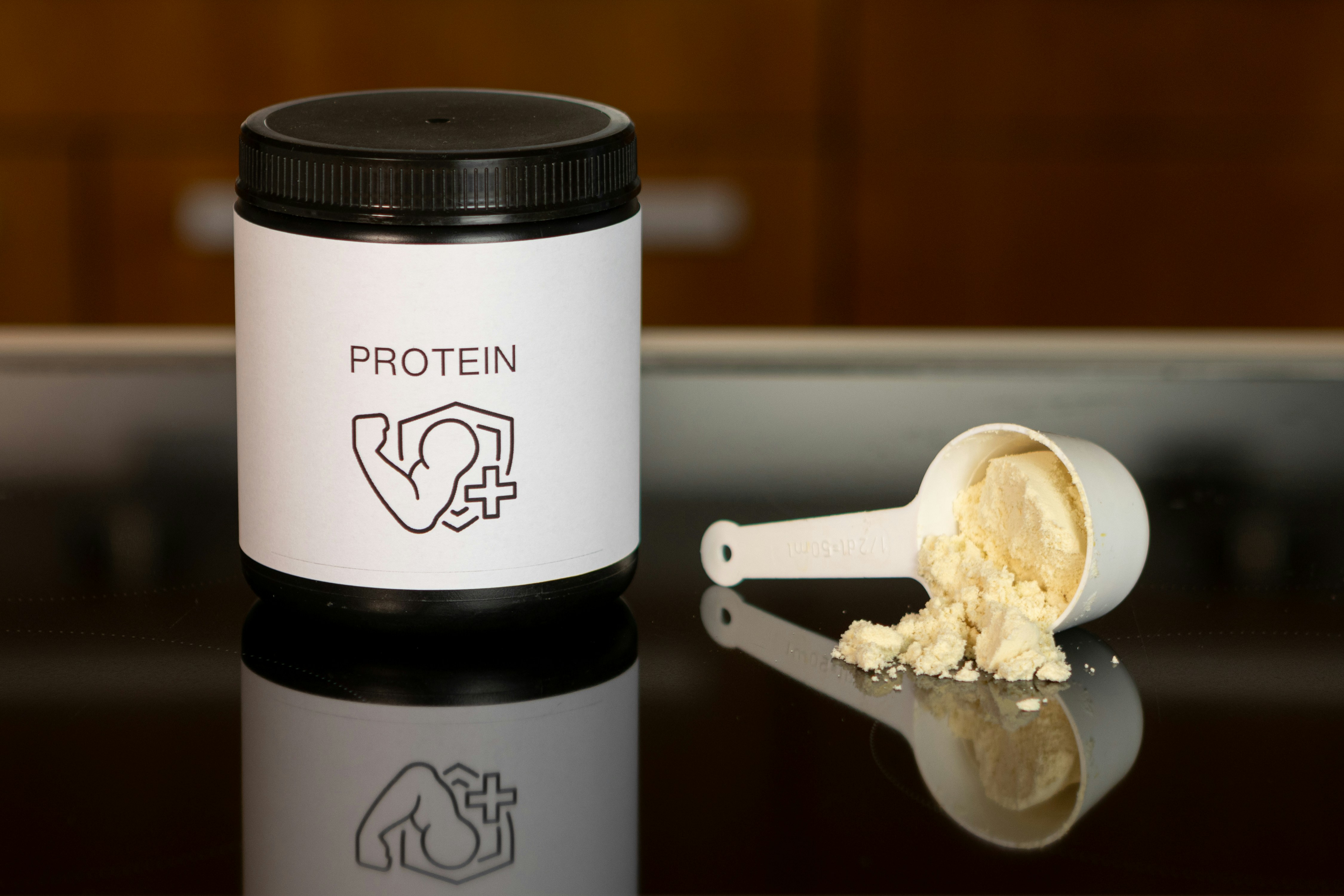
Prioritize Protein
Support muscle repair with:
- Eggs
- Chicken
- Lentils
- Fish
- Greek yogurt
- Protein shakes
Stay Hydrated
Dehydration ruins performance.
Aim for 2–3 liters daily.
Eat Balanced Meals
Combine:
- Lean proteins
- Healthy fats
- Complex carbs
- Vegetables & fruits
Consider Supplements (If Needed)
- Whey protein
- Creatine
- Multivitamins
- Electrolytes
Always consult a professional if unsure.
How Technology Enhances Home Workouts
Tech makes training smarter and more personalized.
Wearable Fitness Trackers
Measure heart rate, calories, steps, sleep, and recovery.
Fitness Apps
Offer guided workouts, progress tracking, and programs.
Smart Home Gym Tools
Like smart dumbbells, AI workout mirrors, and virtual trainers.
Online Communities
Provide support, accountability, and motivation.
Technology bridges the gap between home and professional fitness.
Internal Link Suggestions
(Use according to your website niche)
- Link to articles about fitness technology, strength training, home workout equipment, nutrition tips, or wellness guides.
- Link to product categories if you sell fitness gear.
External Authoritative Sources
Use these for credibility:
- Mayo Clinic (exercise science)
- ACE Fitness (workout research)
- Harvard Health (health & wellness)
- CDC Physical Activity Guidelines
FAQs
What equipment do I need for effective home workouts?
Just resistance bands, dumbbells, a mat, and a jump rope are enough for a complete fitness routine.
Can I build muscle with minimal equipment?
Yes. Progressive overload, bodyweight exercises, and controlled reps help build significant strength.
How often should I work out at home?
Aim for 4–5 days weekly with a mix of strength, HIIT, and mobility sessions.
Are home workouts good for beginners?
Absolutely. Home training provides privacy, flexibility, and low-cost entry.
How do I stay motivated with home workouts?
Use structured plans, track progress, create a workout space, and join online fitness groups.
Conclusion
Home workouts with minimal equipment are not just a trend—they’re a powerful shift in how people train, stay healthy, and transform their bodies. With the right mindset, a small investment in equipment, and a structured routine, anyone can build strength, lose fat, and improve overall wellness from home.
Fitness in 2026 is about simplicity, personalization, and accessibility—and home workouts represent all three.