![[FITX Magazine] Logo](https://fitxmagazine.com/wp-content/uploads/2024/07/FITX-Magazine-Logo-White.png)

If you’ve been hitting the gym and not seeing the results you want, you’re not alone. Building muscle takes more than just lifting weights—it requires strategy, nutrition, recovery, and consistency. The good news? With the right approach, you can accelerate muscle growth faster than you ever thought possible.
Why Building Muscle Is About More Than Just Lifting Heavy
Many people assume that muscle growth comes only from lifting heavy weights. While resistance training is crucial, it’s just one part of the puzzle. Muscle growth—or hypertrophy—relies on a balance of proper training, nutrition, and recovery. Neglecting any one of these can stall progress and keep you stuck in the same cycle of frustration.
If you want to see faster results, you need a proven plan that works with your body, not against it.
Focus on Progressive Overload
The single most effective principle for muscle growth is progressive overload—gradually increasing the stress placed on your muscles.
This can be done by:
- Adding more weight to the bar
- Increasing the number of reps or sets
- Reducing rest times to increase intensity
- Using advanced techniques like drop sets or supersets
When you push your muscles to handle more than they’re used to, they adapt by getting bigger and stronger. Consistency with progressive overload ensures continuous growth.
Eat More Protein Than You Think You Need
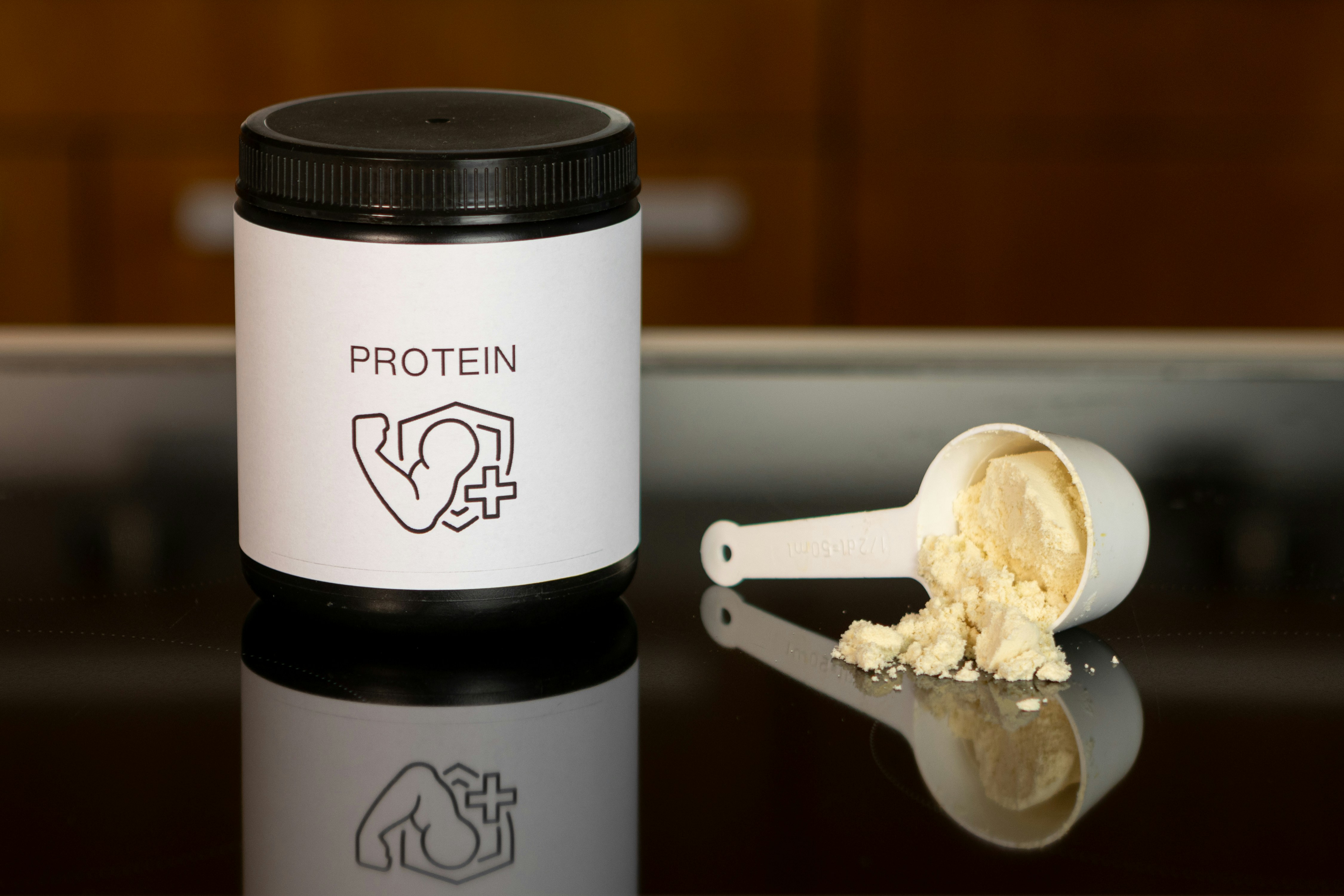
Muscles don’t grow in the gym—they grow during recovery, fueled by nutrition. And the number one nutrient for muscle repair is protein.
Aim for 1.6–2.2 grams of protein per kilogram of body weight daily. High-quality sources include:
- Lean meats (chicken, turkey, beef)
- Fish and seafood
- Eggs and dairy
- Plant-based proteins (lentils, beans, tofu, quinoa)
Pairing protein with complex carbs and healthy fats maximizes recovery and keeps your body primed for growth.
Prioritize Compound Movements
If you’re serious about building muscle fast, focus on compound lifts—exercises that work multiple muscle groups at once.
Examples include:
- Squats (quads, glutes, hamstrings, core)
- Deadlifts (back, legs, grip strength)
- Bench Press (chest, shoulders, triceps)
- Pull-Ups/Rows (back, biceps)
- Overhead Press (shoulders, arms, core)
These movements recruit more muscle fibers, burn more calories, and trigger greater anabolic hormone release than isolation exercises alone.
Don’t Underestimate Recovery and Sleep
Training hard without proper recovery is like trying to grow a plant without water. Your muscles repair and grow stronger during rest, not while lifting.
Key recovery strategies include:
- 7–9 hours of quality sleep per night
- Active recovery sessions (light cardio, yoga, stretching)
- Managing stress to keep cortisol levels low
- Taking rest days seriously—don’t overtrain
Remember, overtraining leads to fatigue, injuries, and stalled progress. Recovery is where growth happens.
Use Smart Supplementation
While food should always come first, supplements can fill gaps and support muscle growth. Some scientifically backed options include:
- Creatine Monohydrate – Increases strength, power, and recovery.
- Whey Protein – Convenient source of high-quality protein.
- Branched-Chain Amino Acids (BCAAs) – Aid recovery and reduce muscle soreness.
- Omega-3 Fatty Acids – Reduce inflammation and improve joint health.
- Vitamin D & Magnesium – Support muscle function and recovery.
Avoid gimmicky products that promise overnight results. Stick to supplements with proven benefits.
Train With Intensity but Listen to Your Body
Intensity drives growth, but pushing past your limits every session can backfire. Learn to balance training hard with training smart.
Tips for sustainable intensity:
- Warm up properly to prevent injury
- Focus on form before increasing weight
- Follow a structured program instead of random workouts
- Deload every 6–8 weeks to reset your nervous system
Building muscle is a marathon, not a sprint. Training smarter will keep you in the game long-term.
Fuel Growth With Caloric Surplus
You can’t build muscle without extra fuel. If you’re eating at maintenance or in a deficit, your body simply won’t prioritize muscle growth.
To grow faster:
- Eat 10–15% above maintenance calories
- Track macros (protein, carbs, fats)
- Choose nutrient-dense foods over empty calories
- Avoid excessive junk food—dirty bulking slows progress
A controlled surplus ensures muscle gain without excessive fat.
Stay Consistent and Patient
The hardest truth in muscle building? There are no shortcuts. The people you admire for their physique didn’t build it in weeks—it took months or even years of consistent effort.
Track your workouts, stay disciplined with your nutrition, and commit to the process. Consistency always beats intensity in the long run.
Internal & External Links
- Internal: Link to articles like “Best Foods for Muscle Growth” or “Beginner’s Guide to Strength Training.”
- External: Reference trusted sources such as National Institutes of Health, Examine.com, and Harvard Health.
FAQs About Building Muscle Faster
How long does it take to see muscle growth?
Beginners often see noticeable changes within 6–8 weeks, while advanced lifters may experience slower but steady progress.
Do I need supplements to build muscle?
No. Supplements can help, but a well-balanced diet and consistent training are the foundation.
Can I build muscle while losing fat?
Yes, it’s possible—especially for beginners—by eating enough protein and following strength training.
What’s the best rep range for muscle growth?
Generally, 6–12 reps per set is optimal for hypertrophy, but mixing rep ranges can maximize results.
Is cardio bad for muscle growth?
Not if done smartly. Moderate cardio improves recovery and cardiovascular health but should not replace weight training.
Conclusion
Building muscle faster is not about shortcuts—it’s about mastering proven strategies: progressive overload, smart nutrition, compound lifts, recovery, and consistency. When you put these pieces together, results come quicker and last longer.
Start applying these strategies today, track your progress, and watch your body transform beyond what you thought possible.