![[FITX Magazine] Logo](https://fitxmagazine.com/wp-content/uploads/2024/07/FITX-Magazine-Logo-White.png)
Why Weight Management Changes After 40
Aging brings natural metabolic shifts—slower metabolism, hormonal changes (like menopause or andropause), and muscle loss (sarcopenia). These factors make weight management more challenging but not impossible. Understanding these changes is the first step to adapting your approach.
Key Factors Affecting Weight After 40
- Declining metabolism (calorie burn slows by 2-5% per decade)
- Hormonal fluctuations (estrogen, testosterone, and cortisol imbalances)
- Loss of lean muscle mass (reduces calorie-burning potential)
- Lifestyle shifts (less activity, more stress, poor sleep)
Nutrition: The Foundation of Weight Management
What you eat plays a bigger role than ever after 40. Fad diets fail—sustainable, nutrient-dense eating works.
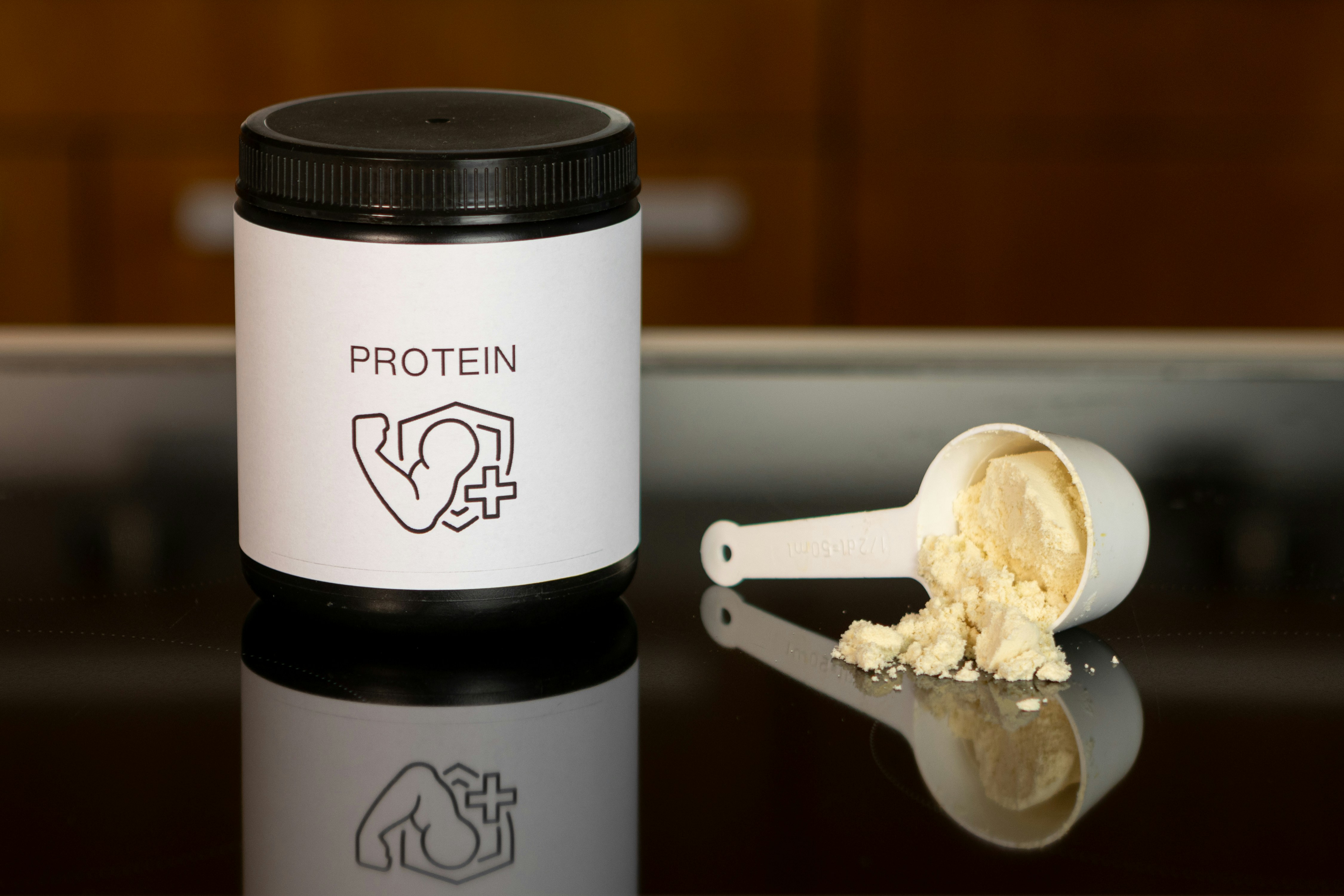
Prioritize Protein for Muscle Retention
- Aim for 0.8–1.2g of protein per pound of body weight daily.
- Include lean meats, fish, eggs, legumes, and Greek yogurt.
Cut Empty Calories, Not Essential Nutrients
- Reduce processed sugars, refined carbs, and trans fats.
- Focus on fiber-rich foods (vegetables, whole grains, nuts) to stay full longer.
Stay Hydrated
- Dehydration mimics hunger. Drink at least 8–10 glasses of water daily.
- Limit sugary drinks and alcohol (both add hidden calories).
Exercise: Smarter Workouts for Better Results
Exercise must evolve—strength training becomes crucial, while cardio supports heart health.
Strength Training to Fight Muscle Loss
- Lift weights 2–3 times per week to preserve muscle and boost metabolism.
- Bodyweight exercises (squats, push-ups) work if gym isn’t an option.
Incorporate HIIT for Fat Loss
- High-Intensity Interval Training (HIIT) burns fat efficiently in less time.
- Example: 30 seconds sprinting, 1-minute walking (repeat 10x).
Stay Active Throughout the Day
- Walk 8,000–10,000 steps daily to counteract sedentary habits.
- Try standing desks, short walks after meals, or stretching breaks.
Hormones and Weight: What You Need to Know
Hormonal imbalances (like insulin resistance, thyroid issues, or menopause) can sabotage weight loss.
Manage Insulin Sensitivity
- Eat low-glycemic foods (avocados, nuts, leafy greens).
- Avoid sugar spikes that lead to fat storage.
Support Thyroid Function
- Ensure enough iodine, selenium, and zinc (found in seafood, eggs, Brazil nuts).
- Get tested if experiencing fatigue, weight gain, or cold intolerance.
Balance Cortisol (Stress Hormone)
- Chronic stress increases belly fat. Practice meditation, deep breathing, or yoga.
- Prioritize 7–9 hours of sleep—poor sleep raises cortisol and hunger hormones.
Sleep: The Overlooked Weight-Loss Factor
Poor sleep disrupts ghrelin (hunger hormone) and leptin (satiety hormone), leading to cravings.
Tips for Better Sleep
- Keep a consistent sleep schedule (even on weekends).
- Avoid screens 1 hour before bed (blue light disrupts melatonin).
- Keep your bedroom cool, dark, and quiet.
Mindset and Consistency: The Long-Term Game
Quick fixes don’t last—small, consistent changes yield lasting results.
Set Realistic Goals
- Aim for 0.5–1 lb of weight loss per week (sustainable and healthy).
- Track progress with measurements and energy levels, not just the scale.
Practice Mindful Eating
- Eat slowly, chew thoroughly, and avoid distractions (TV, phones).
- Stop eating when 80% full to prevent overeating.
FAQs: Weight Management After 40
Why is belly fat harder to lose after 40?
Declining estrogen/testosterone and increased cortisol make fat settle around the abdomen. Strength training and stress management help combat this.
Can I boost my metabolism after 40?
Yes! Strength training, adequate protein, and HIIT workouts can rev up metabolism.
Are intermittent fasting and keto effective after 40?
They can work but aren’t for everyone. Intermittent fasting helps insulin sensitivity, while keto may be too restrictive long-term.
How does menopause affect weight?
Lower estrogen shifts fat storage to the belly. Prioritizing protein, strength training, and sleep helps counter this.
Should I take supplements for weight loss?
Some (like vitamin D, omega-3s, and probiotics) support metabolism, but whole foods and exercise are irreplaceable.
Final Thoughts: Sustainable Weight Management After 40
Weight management after 40 isn’t about extreme diets—it’s about adapting to your body’s changing needs. Focus on:
✅ High-protein, fiber-rich meals
✅ Strength training + smart cardio
✅ Hormone-balancing habits
✅ Quality sleep and stress control
Start small, stay consistent, and celebrate progress—not perfection. Your best health is ahead!
Need more guidance? Check out these trusted resources: