![[FITX Magazine] Logo](https://fitxmagazine.com/wp-content/uploads/2024/07/FITX-Magazine-Logo-White.png)
The health and wellness industry is flooded with myths that often do more harm than good. From outdated diet advice to misleading fitness trends, these misconceptions can prevent you from achieving your wellness goals.
In this article, we’ll debunk 10 common healthy lifestyle myths with science-backed facts. Whether you’re trying to lose weight, build muscle, or simply live healthier, knowing the truth will help you make better choices.
Myth: Carbs Are the Enemy and Should Be Avoided
The Truth About Carbohydrates
Carbohydrates have been unfairly demonized by fad diets. While refined carbs (like white bread and sugary snacks) should be limited, whole carbs (such as fruits, vegetables, and whole grains) are essential for energy and digestion.
Why You Need Carbs
- Provide sustained energy for brain and muscle function.
- Rich in fiber, which supports gut health.
- Essential for athletic performance and recovery.
Bottom Line: Not all carbs are bad—focus on quality sources like quinoa, sweet potatoes, and oats.
Myth: Skipping Meals Helps With Weight Loss
The Dangers of Meal Skipping
Skipping meals may lead to short-term weight loss, but it often backfires by:
- Slowing down metabolism.
- Increasing cravings and overeating later.
- Causing nutrient deficiencies.
A Better Approach
- Eat balanced meals with protein, fiber, and healthy fats.
- Opt for smaller, frequent meals if needed.
Bottom Line: Consistent, nutritious eating supports long-term weight management.
Myth: Fat-Free Foods Are Healthier
The Problem With Fat-Free Products
Many fat-free foods compensate with added sugars and artificial ingredients, which can be worse than natural fats.
Healthy Fats You Should Eat
- Avocados – Rich in monounsaturated fats.
- Nuts & seeds – Great for heart health.
- Olive oil – Supports brain function.
Bottom Line: Healthy fats are essential—avoid processed “fat-free” alternatives.
Myth: You Need to Detox With Juices or Cleanses
The Truth About Detox Diets
Your liver and kidneys naturally detoxify your body. Juice cleanses often:
- Lack essential nutrients.
- Cause blood sugar spikes.
- Lead to muscle loss due to low protein.
Natural Detox Support
- Drink plenty of water.
- Eat high-fiber foods (leafy greens, berries).
- Reduce processed foods and alcohol.
Bottom Line: Your body detoxes itself—no extreme cleanses needed.
Myth: More Exercise Is Always Better
Overtraining Risks
Excessive exercise can lead to:
- Burnout and fatigue.
- Increased injury risk.
- Hormonal imbalances (especially in women).
Smart Workout Strategies
- Include rest days for recovery.
- Mix cardio, strength, and flexibility training.
- Listen to your body’s signals.
Bottom Line: Quality matters more than quantity—balance is key.
Myth: All Calories Are Created Equal
Why Nutrient Quality Matters
100 calories from candy ≠ 100 calories from vegetables. Nutrient-dense foods provide:
- Vitamins & minerals.
- Better satiety.
- Stable energy levels.
Focus on Whole Foods
- Lean proteins (chicken, fish, tofu).
- Complex carbs (brown rice, legumes).
- Healthy fats (nuts, olive oil).
Bottom Line: What you eat is just as important as how much you eat.
Myth: Gluten-Free Means Healthier
Who Really Needs Gluten-Free?
Unless you have celiac disease or gluten sensitivity, gluten-free products often:
- Contain more sugar and fat.
- Lack essential nutrients (fiber, B vitamins).
When to Go Gluten-Free
- Only if medically necessary.
- Otherwise, whole grains are beneficial.
Bottom Line: Don’t avoid gluten unless required—focus on whole foods instead.
Myth: You Can Out-Exercise a Bad Diet
The 80/20 Rule of Fitness
No amount of exercise can compensate for poor eating habits.
Why Diet Dominates
- Weight loss is 70-80% diet.
- Exercise supports health, not just calories burned.
Bottom Line: Combine good nutrition with activity for best results.
Myth: Eating Late at Night Causes Weight Gain
The Real Culprit: Total Daily Calories
Weight gain happens from excess calories, not timing. However:
- Late-night snacking can lead to mindless eating.
- Digestion may disrupt sleep quality.
Smart Late-Night Snacks
- Greek yogurt.
- A handful of nuts.
- Veggies with hummus.
Bottom Line: What and how much you eat matters more than when.
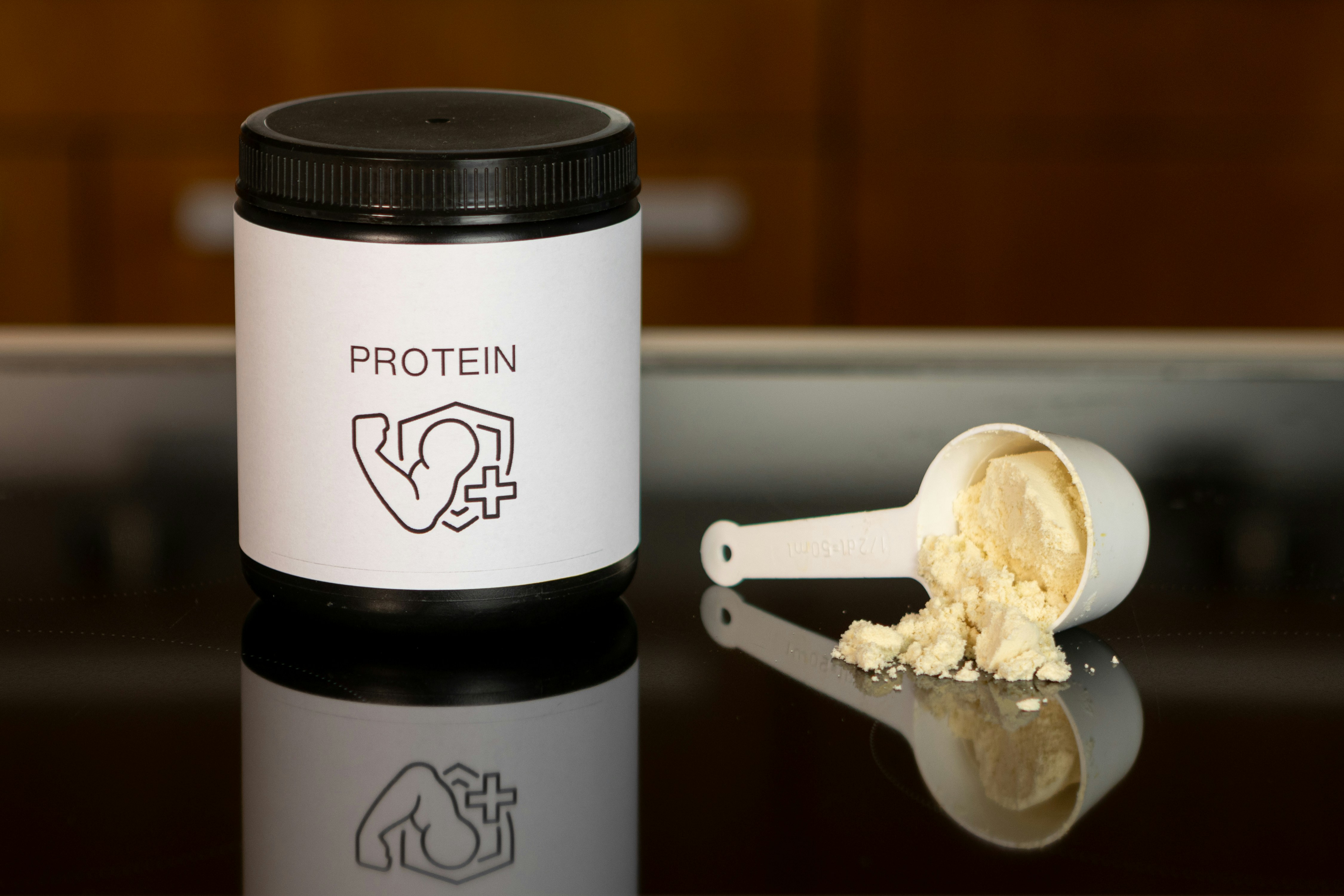
Myth: Supplements Can Replace a Healthy Diet
The Role of Supplements
While helpful for deficiencies, supplements can’t replicate whole foods.
When to Use Supplements
- Vitamin D (if deficient).
- Omega-3s (if not eating enough fish).
- Probiotics (for gut health).
Bottom Line: Food first, supplements second.
FAQs
1. Is it bad to eat eggs every day?
No! Eggs are nutrient-dense and support heart health for most people.
2. Do I need to drink 8 glasses of water daily?
Hydration needs vary—listen to your thirst and urine color (pale yellow = good).
3. Are artificial sweeteners safe?
Moderation is key—some studies suggest potential gut microbiome effects.
4. Does coffee dehydrate you?
No, coffee contributes to hydration unless consumed excessively.
5. Is red wine good for the heart?
In moderation, antioxidants may help, but excess alcohol harms health.
Conclusion
Healthy living shouldn’t be complicated by myths. By focusing on science-backed facts, you can make better choices for your body.
Take action today:
✔ Ditch extreme diets.
✔ Prioritize whole, unprocessed foods.
✔ Move regularly—but don’t overdo it.
What’s one myth you believed before reading this? Share in the comments!
Sources: