![[FITX Magazine] Logo](https://fitxmagazine.com/wp-content/uploads/2024/07/FITX-Magazine-Logo-White.png)

Losing weight can feel like an overwhelming challenge, especially when you’re aiming for quick results. But what if you could shed 10 pounds in just two weeks using methods backed by science? While rapid weight loss requires discipline and commitment, it’s entirely possible with the right approach.
In this article, we’ll break down a science-backed plan to help you lose 10 pounds in 14 days. From optimizing your diet and exercise routine to making smart lifestyle changes, these strategies are designed to deliver real, sustainable results. Let’s dive in!
Understanding the Science of Weight Loss
How Weight Loss Works
Weight loss occurs when you burn more calories than you consume. This creates a calorie deficit, forcing your body to use stored fat for energy. While this principle is simple, the methods to achieve it can vary.
The Role of Metabolism
Your metabolism plays a key role in how quickly you lose weight. Factors like age, gender, and activity level influence your metabolic rate, but you can boost it through diet and exercise.
Why Two Weeks?
A two-week timeframe is short enough to stay motivated but long enough to see significant results. By focusing on intense, short-term efforts, you can kickstart your weight loss journey and build momentum for long-term success.
Optimize Your Diet for Rapid Weight Loss
Focus on Whole, Nutrient-Dense Foods
Fill your plate with foods that are low in calories but high in nutrients. These keep you full longer and provide the energy you need to stay active.
Foods to Include
- Lean Proteins: Chicken, turkey, fish, eggs, and tofu.
- Non-Starchy Vegetables: Spinach, broccoli, zucchini, and peppers.
- Healthy Fats: Avocado, nuts, seeds, and olive oil.
- Complex Carbs: Quinoa, sweet potatoes, and oats.
Foods to Avoid
- Processed Foods: Chips, cookies, and frozen meals.
- Sugary Drinks: Sodas, energy drinks, and sweetened teas.
- Refined Carbs: White bread, pasta, and pastries.
The Benefits of a Balanced Diet
A nutrient-dense diet supports fat loss, reduces cravings, and improves overall health.
Incorporate High-Intensity Interval Training (HIIT)
Why HIIT Works
HIIT involves short bursts of intense exercise followed by brief rest periods. It’s highly effective for burning calories and boosting metabolism, even after your workout ends.
Sample HIIT Workout
- Warm-Up: 5 minutes of light jogging or jumping jacks.
- Circuit: 30 seconds of burpees, 30 seconds of rest; 30 seconds of mountain climbers, 30 seconds of rest; repeat for 20 minutes.
- Cool-Down: 5 minutes of stretching.
The Impact on Weight Loss
HIIT burns more calories in less time compared to steady-state cardio, making it ideal for rapid weight loss.
Prioritize Protein to Preserve Muscle
The Role of Protein in Weight Loss
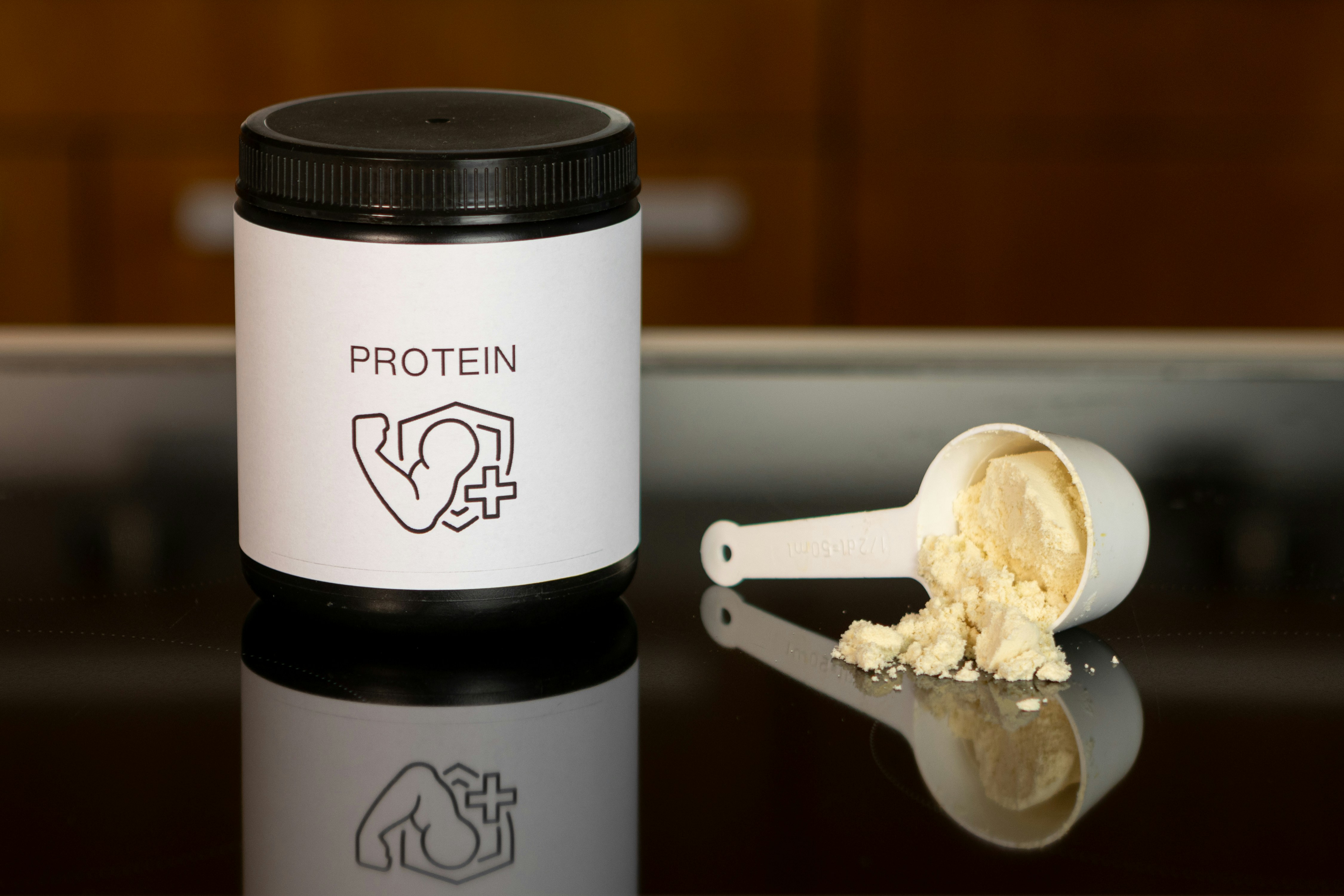
Protein helps preserve lean muscle mass while promoting fat loss. It also keeps you full, reducing the likelihood of overeating.
How Much Protein Do You Need?
Aim for 0.8-1 gram of protein per pound of body weight daily. For example, if you weigh 150 pounds, consume 120-150 grams of protein each day.
Protein-Rich Foods
- Animal Sources: Chicken, fish, eggs, and Greek yogurt.
- Plant Sources: Lentils, chickpeas, quinoa, and tofu.
The Benefits of High Protein Intake
Protein supports muscle repair, boosts metabolism, and enhances satiety.
Stay Hydrated to Boost Metabolism
The Importance of Hydration
Water is essential for digestion, metabolism, and overall health. Staying hydrated can also help control hunger and reduce water retention.
How Much Water Should You Drink?
Aim for at least 8-10 glasses of water daily, or more if you’re active.
Tips for Staying Hydrated
- Start Your Day with Water: Drink a glass of water first thing in the morning.
- Infuse Your Water: Add lemon, cucumber, or mint for flavor.
- Set Reminders: Use an app or alarm to remind you to drink water throughout the day.
The Impact on Weight Loss
Proper hydration supports fat metabolism and helps flush out toxins.
Get Enough Sleep to Support Weight Loss
The Connection Between Sleep and Weight
Lack of sleep disrupts hormones that regulate hunger and appetite, leading to increased cravings and weight gain.
How Much Sleep Do You Need?
Aim for 7-9 hours of quality sleep per night.
Tips for Better Sleep
- Create a Routine: Go to bed and wake up at the same time every day.
- Limit Screen Time: Avoid screens at least an hour before bed.
- Create a Relaxing Environment: Keep your bedroom cool, dark, and quiet.
The Benefits of Adequate Sleep
Quality sleep improves metabolism, reduces cravings, and enhances overall well-being.
Manage Stress to Avoid Emotional Eating
The Impact of Stress on Weight
Chronic stress triggers the release of cortisol, a hormone that promotes fat storage, especially around the abdomen.
Stress-Relief Techniques
- Exercise: Physical activity reduces stress and boosts mood.
- Meditation: Practice mindfulness or deep breathing exercises.
- Hobbies: Engage in activities you enjoy, like reading or gardening.
The Role of Stress Management
Reducing stress helps control emotional eating and supports healthy weight loss.
Track Your Progress and Stay Accountable
Why Tracking Matters
Monitoring your progress helps you stay motivated and make adjustments as needed.
How to Track Effectively
- Keep a Food Journal: Record everything you eat and drink.
- Measure Your Body: Track changes in weight, waist circumference, and body fat percentage.
- Use Apps: Leverage fitness apps to log meals, workouts, and progress.
The Benefits of Accountability
Tracking keeps you focused, highlights areas for improvement, and celebrates your successes.
FAQs
1. Is it safe to lose 10 pounds in 2 weeks?
While rapid weight loss can be safe for some people, it’s important to consult a healthcare professional before starting any intense program.
2. Can I lose weight without exercising?
Exercise accelerates weight loss, but you can still lose weight through diet alone. However, combining both yields the best results.
3. Will I gain the weight back after 2 weeks?
To maintain your results, transition to a balanced, sustainable diet and exercise routine after the two-week period.
4. How can I avoid feeling hungry during this plan?
Focus on high-protein, high-fiber foods, stay hydrated, and eat smaller, more frequent meals to curb hunger.
5. Can I follow this plan if I have dietary restrictions?
Yes, adapt the plan to fit your needs by choosing foods that align with your dietary preferences or restrictions.
Conclusion
Losing 10 pounds in two weeks is an ambitious goal, but with the right strategies, it’s entirely achievable. By optimizing your diet, incorporating HIIT workouts, prioritizing protein, staying hydrated, getting enough sleep, managing stress, and tracking your progress, you can kickstart your weight loss journey and see real results.
Remember, rapid weight loss is just the beginning. To maintain your progress, transition to a balanced, sustainable lifestyle that supports long-term health and well-being.
Ready to take the first step? Start implementing these science-backed tips today and watch the pounds melt away!
Useful Links: