![[FITX Magazine] Logo](https://fitxmagazine.com/wp-content/uploads/2024/07/FITX-Magazine-Logo-White.png)

Losing weight can feel like an uphill battle, especially when the scale refuses to budge despite your best efforts. You’ve tried cutting calories, hitting the gym, and even skipping dessert, but nothing seems to work. Sound familiar? The truth is, weight loss isn’t just about eating less and moving more. There are hidden factors that could be sabotaging your progress.
In this article, we’ll dive deep into the reasons why you’re not losing weight and provide practical, science-backed solutions to help you break through the plateau. Whether you’re struggling with stubborn fat, hormonal imbalances, or simply don’t know where to start, this guide will equip you with the tools to succeed.
Understanding the Weight Loss Plateau
A weight loss plateau is a common yet frustrating experience. It happens when your body adapts to your current diet and exercise routine, causing your progress to stall. While it’s normal, it doesn’t mean you’re stuck forever. By identifying the root cause, you can make the necessary adjustments to reignite your weight loss journey.
Common Reasons You’re Not Losing Weight
Let’s explore the most common reasons why the scale isn’t moving and how to address them.
You’re Eating More Than You Think
Even if you’re tracking your calories, it’s easy to underestimate portion sizes or overlook hidden calories in sauces, dressings, and snacks. These small miscalculations can add up, preventing you from achieving a calorie deficit.
How to Fix It:
- Use a food scale to measure portions accurately.
- Track everything you eat, including condiments and beverages.
- Be mindful of mindless snacking by keeping a food journal.
You’re Not Eating Enough Protein
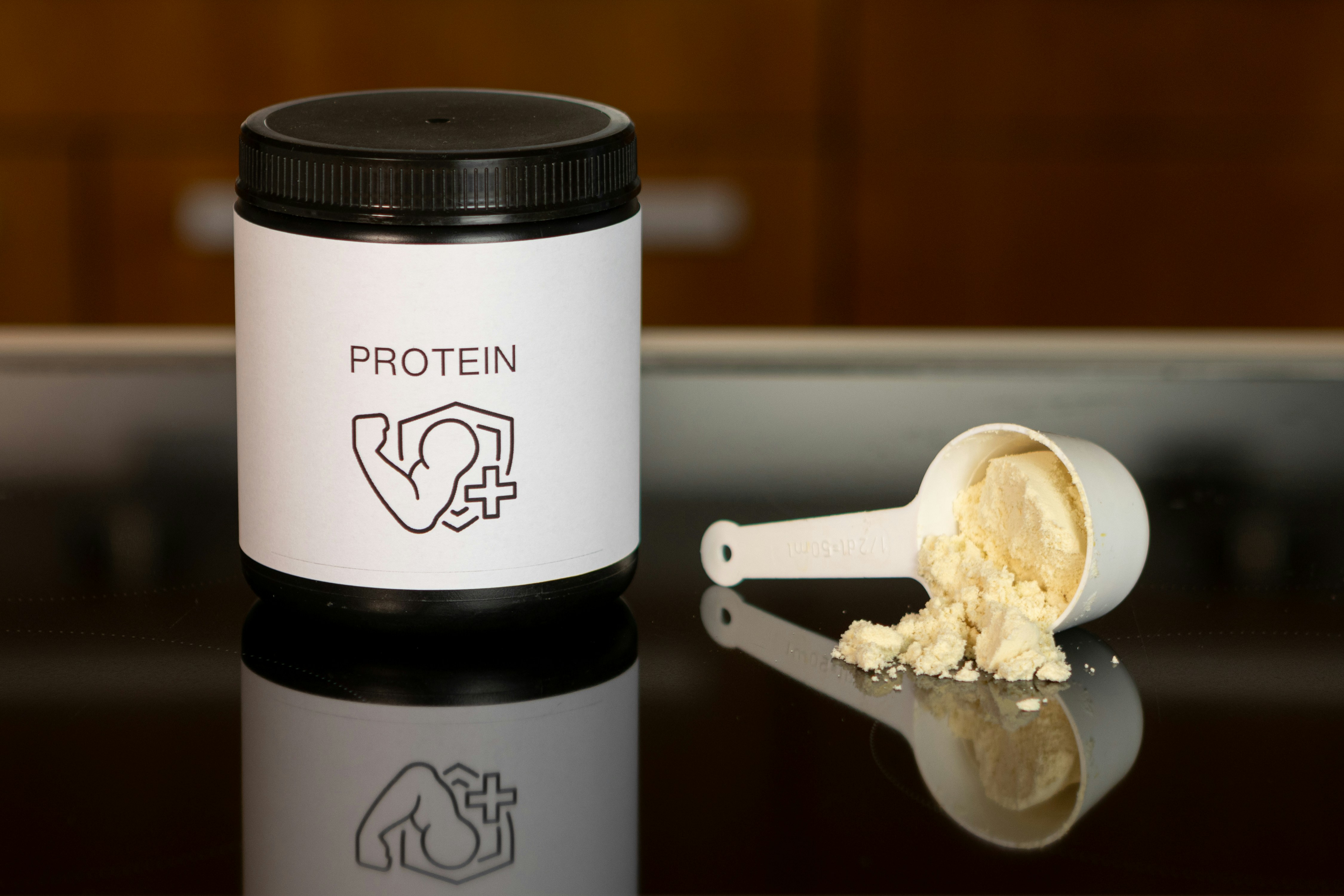
Protein is essential for weight loss. It boosts metabolism, reduces appetite, and helps preserve muscle mass. If your diet is low in protein, you may struggle to lose weight effectively.
How to Fix It:
- Include a source of protein in every meal (e.g., eggs, chicken, tofu, or Greek yogurt).
- Aim for at least 20-30 grams of protein per meal.
- Consider protein supplements if you struggle to meet your daily needs.
You’re Overdoing Cardio and Ignoring Strength Training
While cardio burns calories, relying solely on it can backfire. Without strength training, you risk losing muscle mass, which slows down your metabolism.
How to Fix It:
- Incorporate strength training 2-3 times per week.
- Focus on compound exercises like squats, deadlifts, and push-ups.
- Balance cardio with resistance training for optimal results.
You’re Not Getting Enough Sleep
Sleep is often overlooked, but it plays a critical role in weight loss. Poor sleep disrupts hormones that regulate hunger and metabolism, making it harder to shed pounds.
How to Fix It:
- Aim for 7-9 hours of quality sleep each night.
- Create a bedtime routine to improve sleep hygiene.
- Avoid caffeine and screens before bed.
You’re Stressed Out
Chronic stress triggers the release of cortisol, a hormone that promotes fat storage, especially around the abdomen. If you’re constantly stressed, it could be hindering your weight loss efforts.
How to Fix It:
- Practice stress-reducing techniques like meditation, yoga, or deep breathing.
- Prioritize self-care and set boundaries to manage stress levels.
- Consider talking to a therapist if stress feels overwhelming.
You Have an Underlying Medical Condition
Sometimes, weight loss struggles are linked to medical conditions like hypothyroidism, PCOS, or insulin resistance. If you’ve tried everything and still can’t lose weight, it’s worth consulting a healthcare professional.
How to Fix It:
- Schedule a check-up to rule out any underlying issues.
- Follow your doctor’s recommendations for treatment or management.
- Work with a registered dietitian to create a tailored plan.
You’re Not Consistent
Consistency is key to weight loss. Skipping workouts, indulging in cheat meals too often, or giving up after a setback can derail your progress.
How to Fix It:
- Set realistic, achievable goals.
- Create a routine that fits your lifestyle.
- Celebrate small wins to stay motivated.
How to Break Through Your Weight Loss Plateau
Now that you know the potential roadblocks, let’s focus on actionable steps to get back on track.
Reassess Your Calorie Intake
As you lose weight, your calorie needs change. What worked initially may no longer be effective. Use an online calculator to determine your current calorie requirements and adjust your intake accordingly.
Mix Up Your Workouts
Your body adapts to repetitive exercise, so it’s important to switch things up. Try new activities like HIIT, Pilates, or cycling to challenge your muscles and boost calorie burn.
Stay Hydrated
Dehydration can slow down your metabolism and increase hunger. Aim to drink at least 8-10 glasses of water daily, and more if you’re active.
Focus on Whole, Nutrient-Dense Foods
Processed foods are often high in empty calories and low in nutrients. Fill your plate with whole foods like vegetables, fruits, lean proteins, and healthy fats to support weight loss and overall health.
Be Patient and Persistent
Weight loss is a journey, not a race. It’s normal to hit plateaus, but consistency and perseverance will pay off in the long run.
FAQs
1. Why am I gaining weight even though I’m eating healthy?
Gaining weight despite eating healthy could be due to overeating, lack of portion control, or underlying medical conditions. Track your intake and consult a professional if needed.
2. Can stress really prevent weight loss?
Yes, chronic stress elevates cortisol levels, which can lead to weight gain or hinder weight loss. Managing stress is crucial for success.
3. How long does it take to break a weight loss plateau?
It varies, but with the right adjustments, most people see progress within 2-4 weeks.
4. Is it possible to lose weight without exercise?
Yes, weight loss is primarily driven by diet. However, exercise enhances results and improves overall health.
5. Should I try a detox or cleanse to lose weight?
Detoxes and cleanses are not sustainable or scientifically proven for weight loss. Focus on balanced, long-term habits instead.
Conclusion
Losing weight isn’t easy, but understanding the reasons behind your plateau can help you take control of your journey. By addressing common pitfalls like poor sleep, stress, and inconsistent habits, you can overcome obstacles and achieve your goals.
Remember, weight loss is a marathon, not a sprint. Stay patient, stay consistent, and celebrate every step forward. Ready to take action? Start implementing these tips today and watch your progress soar!
Useful Links: