![[FITX Magazine] Logo](https://fitxmagazine.com/wp-content/uploads/2024/07/FITX-Magazine-Logo-White.png)
In today’s digital age, fitness technology has revolutionized how we track workouts, measure progress, and stay motivated. Whether you’re a gym enthusiast, runner, or yoga lover, the right fitness tech tools can provide real-time insights, keep you accountable, and help you smash your fitness goals.
From smartwatches to advanced body composition analyzers, this guide covers the 10 must-have fitness tech tools that deliver accurate data, personalized feedback, and seamless integration into your routine. Let’s dive in!
Why Fitness Tracking Tech is Essential
Tracking your fitness progress isn’t just about counting steps—it’s about optimizing performance, preventing injuries, and staying motivated. Here’s why investing in fitness tech is a game-changer:
- Real-time feedback helps adjust workouts on the fly.
- Data-driven insights highlight strengths and weaknesses.
- Goal tracking keeps you accountable.
- Health monitoring (heart rate, sleep, recovery) ensures balanced training.
Without the right tools, you might miss critical metrics that could take your fitness to the next level.
Top Fitness Tech Tools for Tracking Progress
Smartwatches & Fitness Trackers
A high-quality smartwatch does more than tell time—it tracks heart rate, steps, calories burned, sleep quality, and even blood oxygen levels. Leading options include:
- Apple Watch Series 9 – Best for iPhone users with advanced health metrics.
- Garmin Forerunner 265 – Ideal for runners with GPS and performance analytics.
- Fitbit Charge 6 – Great for budget-conscious users with solid fitness tracking.
These devices sync with apps to provide long-term trend analysis, helping you adjust workouts based on performance data.
Heart Rate Monitors
While smartwatches track heart rate, dedicated chest-strap monitors like the Polar H10 offer medical-grade accuracy. Benefits include:
- Precise heart rate zones for optimal fat burn or endurance training.
- Better data for HIIT, cycling, and CrossFit workouts.
Smart Scales for Body Composition
Traditional scales only show weight, but smart scales like the Withings Body+ or Tanita RD-545 measure:
- Body fat percentage
- Muscle mass
- Bone density
- Water retention
This data helps tailor nutrition and training plans for better body recomposition.
GPS Running Watches
For serious runners, a dedicated GPS watch like the Garmin Fenix 7 or Coros Pace 3 provides:
- Accurate distance and pace tracking.
- Elevation gain and route mapping.
- Race predictions based on performance.
Workout Apps with AI Coaching
Apps like Freeletics, Nike Training Club, and Whoop offer:
- Customized workout plans.
- Form correction via AI.
- Recovery recommendations.
Muscle Oxygen Sensors
Cutting-edge tools like the Moxy Monitor measure muscle oxygen levels in real-time, helping athletes:
- Optimize endurance training.
- Prevent overtraining.
- Improve recovery strategies.
Posture Correctors & Movement Sensors
Devices like the UPRIGHT GO 2 vibrate when you slouch, promoting better posture. Meanwhile, Wahoo TICKR X tracks movement efficiency during lifts.
Recovery Tech: Percussion Massagers & Sleep Trackers
- Theragun Prime – Reduces muscle soreness.
- Oura Ring – Tracks sleep stages and recovery needs.
Smart Water Bottles
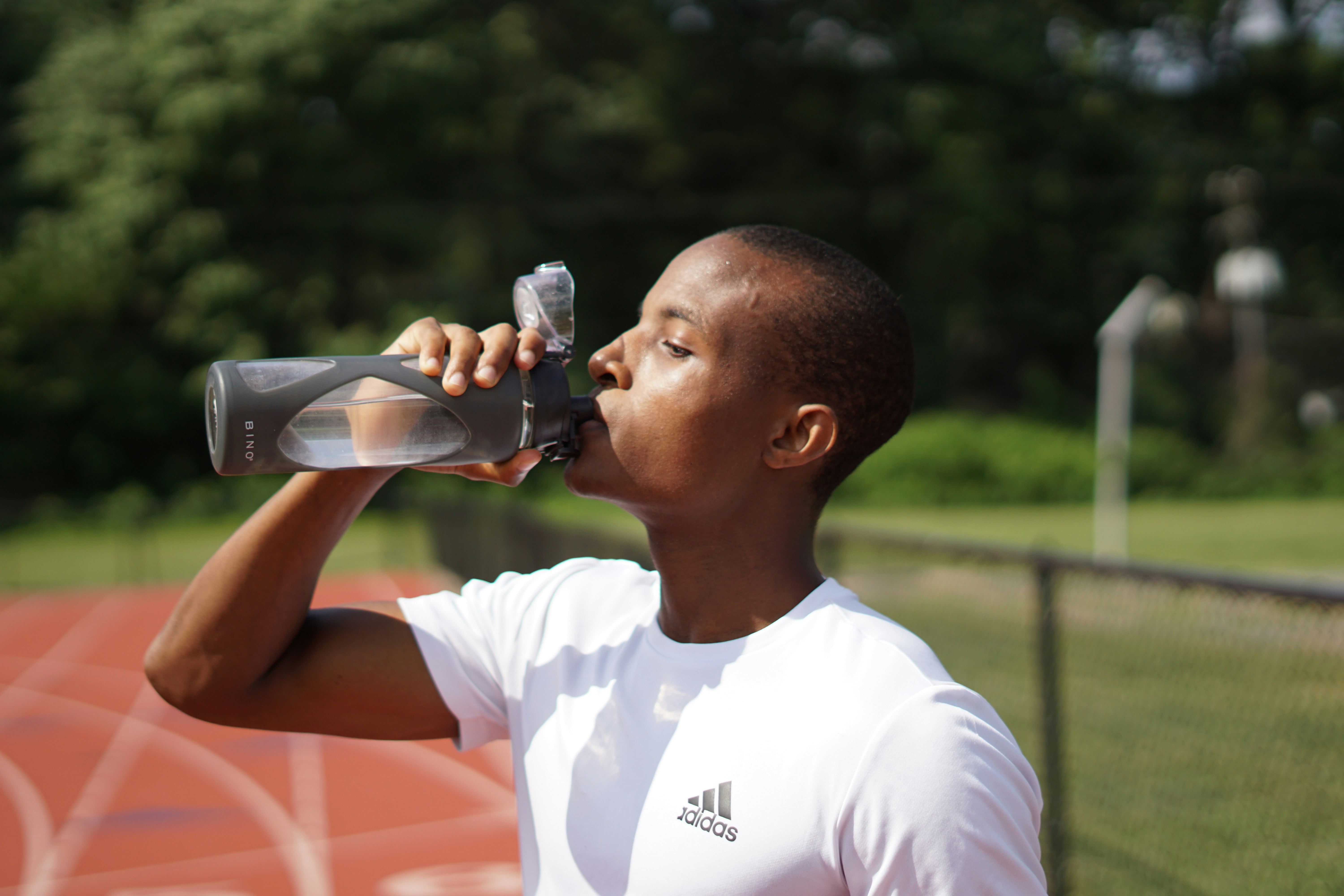
Hydration impacts performance. The HidrateSpark STEEL glows to remind you to drink and syncs with fitness apps.
VR Fitness Systems
For gamified workouts, Meta Quest 3 with Supernatural VR makes cardio fun while tracking calories burned.
How to Choose the Right Fitness Tech
With so many options, consider:
✔ Your fitness goals (weight loss, strength, endurance).
✔ Compatibility with your phone or other devices.
✔ Budget (entry-level vs. premium features).
✔ Battery life (critical for long workouts).
Integrating Fitness Tech into Your Routine
To maximize benefits:
- Sync devices with apps like Strava, MyFitnessPal, or Google Fit.
- Review data weekly to adjust workouts.
- Combine tools (e.g., smartwatch + heart rate monitor) for deeper insights.
Common Mistakes to Avoid
🚫 Ignoring recovery metrics (sleep, HRV).
🚫 Over-relying on tech instead of listening to your body.
🚫 Not calibrating devices (leading to inaccurate data).
FAQs
Which fitness tracker is best for weightlifting?
The Whoop Strap 4.0 tracks strain and recovery, making it ideal for strength training.
Do smart scales really work?
Yes, but ensure you use them consistently (same time, conditions) for accurate trends.
Can fitness tech help with weight loss?
Absolutely! Tracking calories, steps, and workouts keeps you accountable.
How often should I upgrade my fitness tech?
Every 2-3 years, or when new features significantly enhance tracking.
Are chest-strap heart rate monitors better than wrist-based?
Yes, chest straps (like Polar H10) are more accurate during intense workouts.
Final Thoughts
Fitness tech tools take the guesswork out of training, providing actionable insights to optimize every rep, run, or recovery session. Whether you’re a beginner or elite athlete, investing in the right gadgets can boost motivation, prevent injuries, and accelerate results.
Ready to upgrade your fitness game? Pick the tools that align with your goals and start tracking like a pro today!
Liked this guide? Share it with a workout buddy or leave a comment below!
(Internal links: Best Workout Apps, How to Improve Sleep for Recovery)
(External sources: Garmin.com, PubMed Fitness Studies)